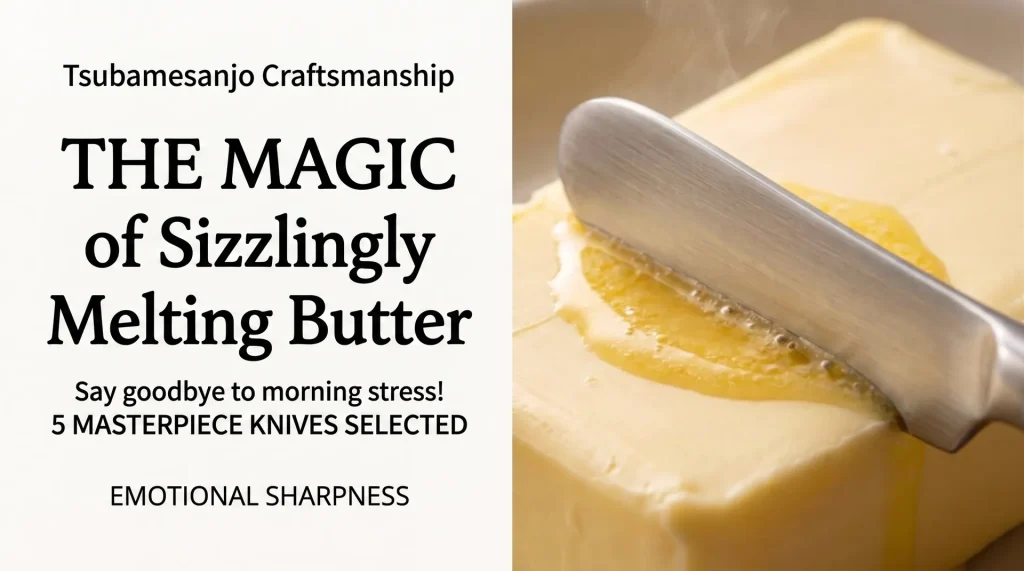
You pull cold butter straight from the fridge, press the knife to your toast — and the bread tears.
Sound familiar?
That small morning frustration disappears the moment you switch knives.
Heat-conducting knives that melt butter the instant they touch it. Spoons so smooth they feel like liquid against your lips. Today we're looking at standout cutlery from Tsubame-Sanjo, Niigata — Japan's legendary metalworking capital — pieces that quietly transform your breakfast into something worth waking up for.
1. Why Does It Melt? Heat Conductivity & Material Guide
Butter knives fall into two camps: the melters (heat-conducting materials) and the shavers (stainless steel). Here's how to choose based on your breakfast style.
① The Melter: Aluminum & Copper
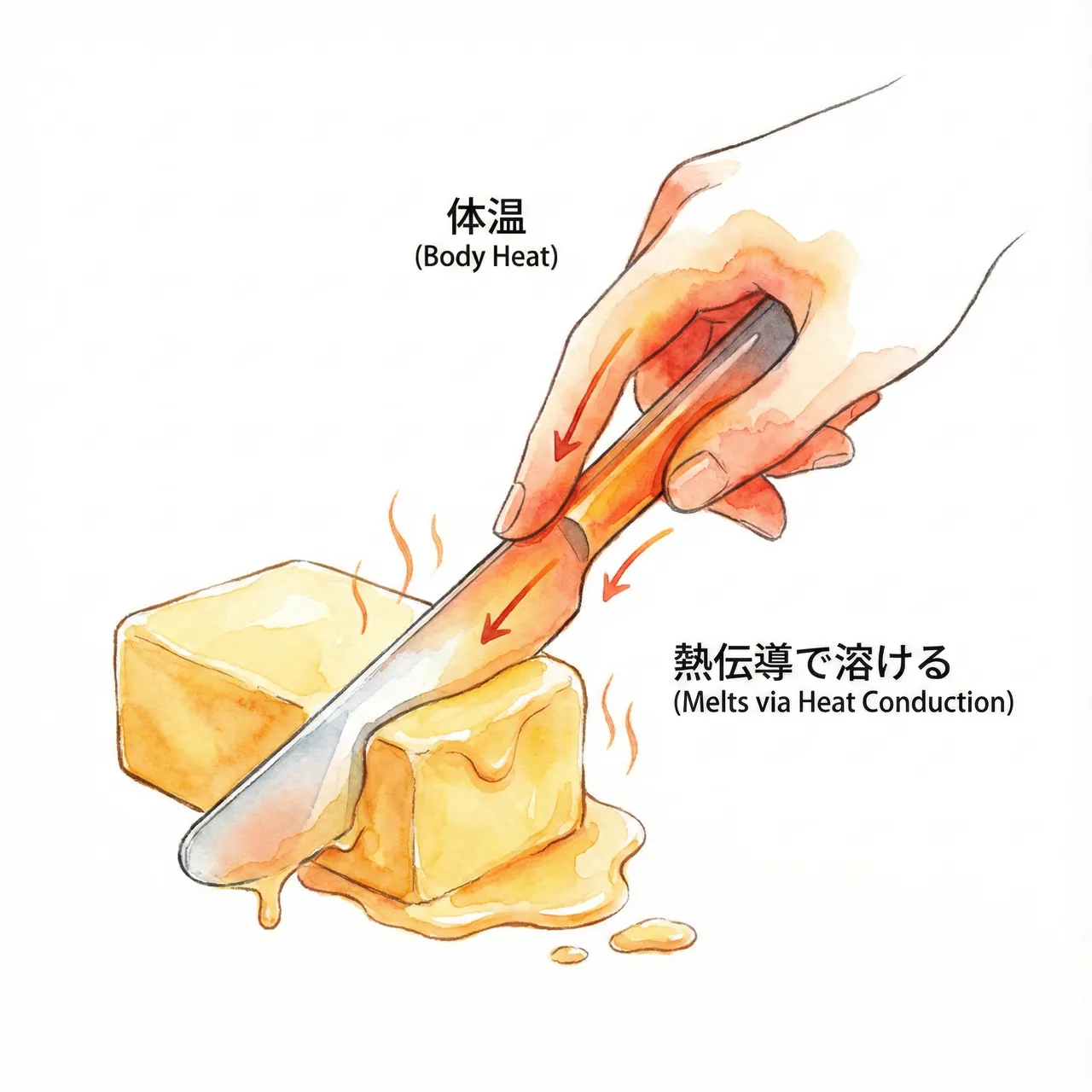
These knives are made from materials with exceptionally high thermal conductivity.
The warmth of your hand travels instantly to the blade tip, gently melting the butter as it glides through.
Why it works:
The blade sinks through cold butter with almost no pressure — a sensation that's genuinely satisfying. Beyond butter, the same principle makes these popular as ice cream spoons for rock-hard frozen desserts.
② The Shaver: Stainless Steel
Stainless steel is the most common material — rust-resistant and durable. It doesn't conduct heat, but its workability allows for clever functional designs.
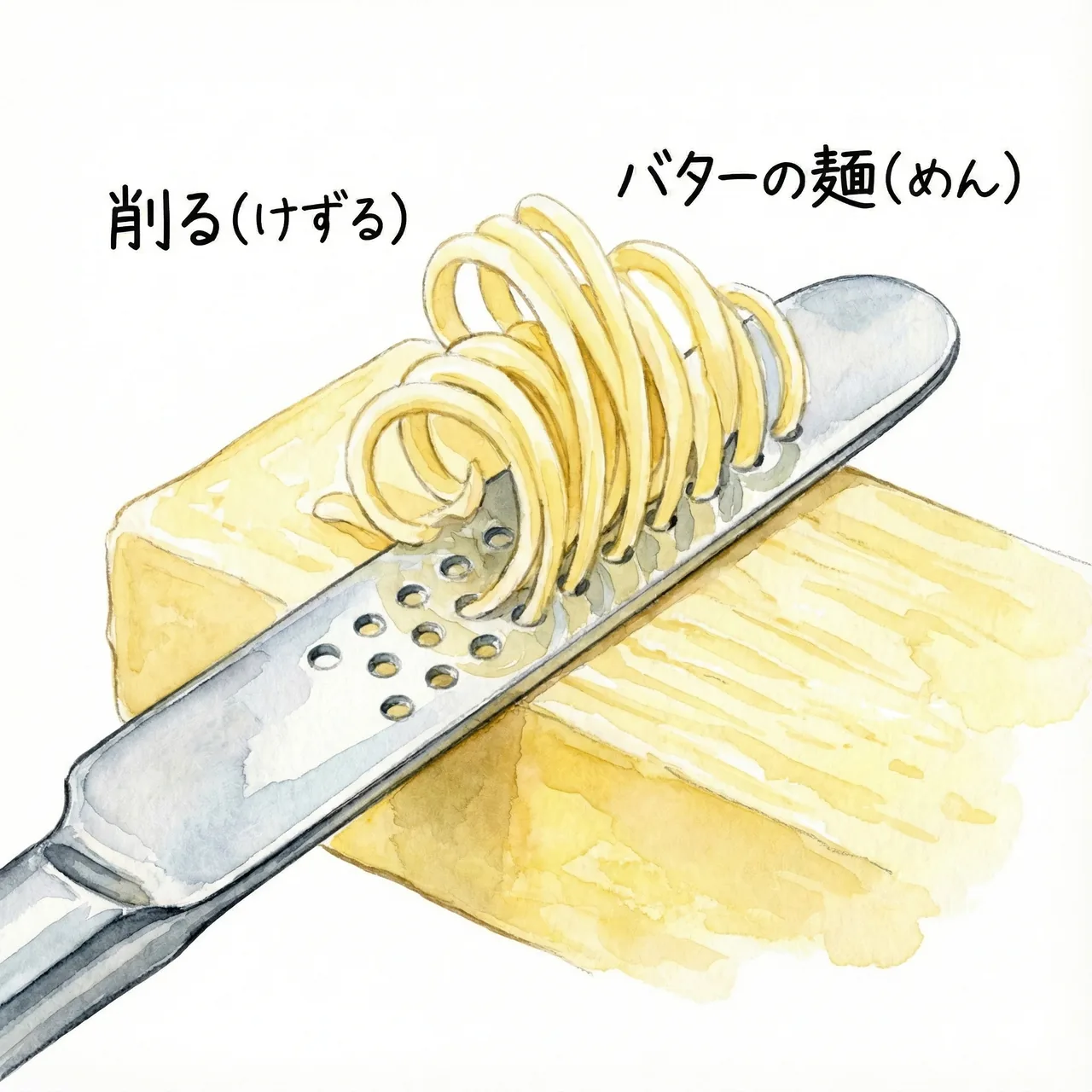
The thread-shaving type:
Some stainless knives feature a perforated blade like a grater. Dragging it across cold butter produces thin threads of butter that melt almost instantly on warm toast — an ingenious solution that also incorporates air for a lighter spread.
2. Top 5 Tsubame-Sanjo Butter Knives & Cutlery
Functional beauty from the hands of Japan's finest metalworkers. Each piece here has earned its place on the breakfast table.
[No.1] 15.0% / Ice Cream Spoon
The knife that started the "melting knife" trend. The No.1 gift pick.
Born from a fusion of Takaoka (Toyama) casting tradition and Tsubame metalworking skill, 15.0% makes solid-aluminum knives polished to a mirror finish that transfers body heat with remarkable efficiency.
The moment you press it to cold butter, it sinks in like a warm blade through soft clay — smoothly, effortlessly. The plump, rounded silhouette has a charm all its own.
[No.2] EAトCO (Iitoco) / Nulu
A stainless masterpiece that shaves cold butter into silky threads.
From Yoshikawa, a long-established Tsubame-Sanjo maker, comes this sleek kitchen brand. The blade features a special perforation pattern: draw it across cold butter and it produces fine, curl-like threads that melt on contact with warm toast.
Perfect for those who prefer not to use heat-conducting knives, and especially good on lightly charred toast where the threads melt just at the surface.
[No.3] Sori Yanagi / Butter Knife
Japanese modern design. A shape engineered purely for ease of use.
From the cutlery series of Sori Yanagi, one of Japan's most celebrated industrial designers.
It looks straightforward at first glance, but the wide blade is calculated to let you scoop a generous amount of butter and spread it broadly in a single, unhurried stroke. The distinctive curve fits naturally in the hand, the matte finish hides scratches well, and the result is a piece made to be used for decades.
[No.4] LUCKY WOOD / Marie-Louise Series
The veteran that put Tsubame-Sanjo on the world map.
Founded in 1868 — the first year of the Meiji era — Kobayashi Kogyo was the first company in Japan to manufacture cutlery. Their polishing technique is in a league of its own; the difference in smoothness is immediately apparent on the lips.
Build out the set with spoons and forks from the same series, and your dining table takes on the quiet refinement of a restaurant.
[No.5] Todai / Aluminum Butter Knife
Best value. The ideal first heat-conducting knife.
A clean, simple aluminum knife from a Tsubame-based commercial cutlery maker.
Like the 15.0%, it melts butter through heat conduction — but by stripping away decoration, it hits a price point that makes it easy to pick up on a whim. Available in a range of colors (gold, silver, black, and more), so you can match it to your plates.
3. Keeping Your Cutlery Bright: Care by Material
A few simple habits are all it takes to keep your favorite cutlery looking and performing like new.
Caring for Aluminum
The same properties that make aluminum great at conducting heat make it delicate to clean.
No dishwasher: Alkaline detergents and high heat cause discoloration — whitish bloom or dark staining. Always hand-wash in mild soap.
No abrasives: Aluminum is a soft metal. Avoid scouring powder and steel wool.
Restoring the Shine on Stainless
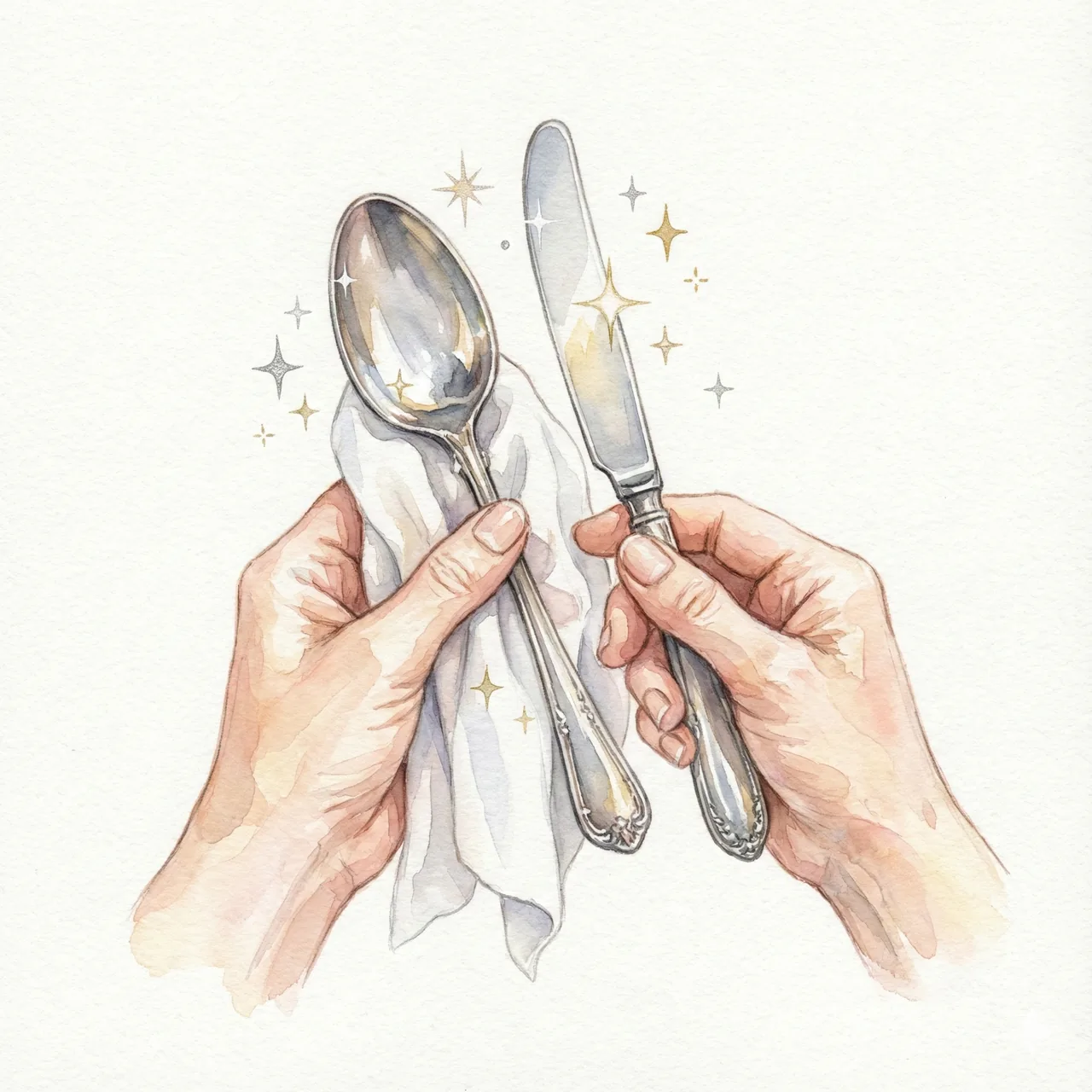
If stainless starts to look cloudy, dampen a soft cloth with a small amount of white vinegar or a dedicated stainless polish and buff gently. The shine comes right back.
4. Frequently Asked Questions
Will a metal knife scratch my plates?
Pressing the blade firmly against ceramic can leave what's called a "metal mark" — a dark smear of metal residue on the plate surface.
If this concerns you, opt for a wooden butter knife, or try placing the butter on top and letting it soften slightly rather than spreading it hard. Metal marks that do appear can often be removed with an acid-based ceramic cleaner.
Can I keep the knife inside the butter dish?
A butter dish with a dedicated knife slot is fine for short-term storage, but if the dish isn't airtight the exposed blade can accelerate oxidation and allow fridge odors to transfer to the butter.
The cleanest habit is to remove the knife after each use, rinse it, and dry it before returning it. It takes seconds and keeps both the knife and the butter tasting their best.
The perfect knife deserves the perfect spread.
Once you have your favorite butter knife, the next thing worth caring about is what you spread.
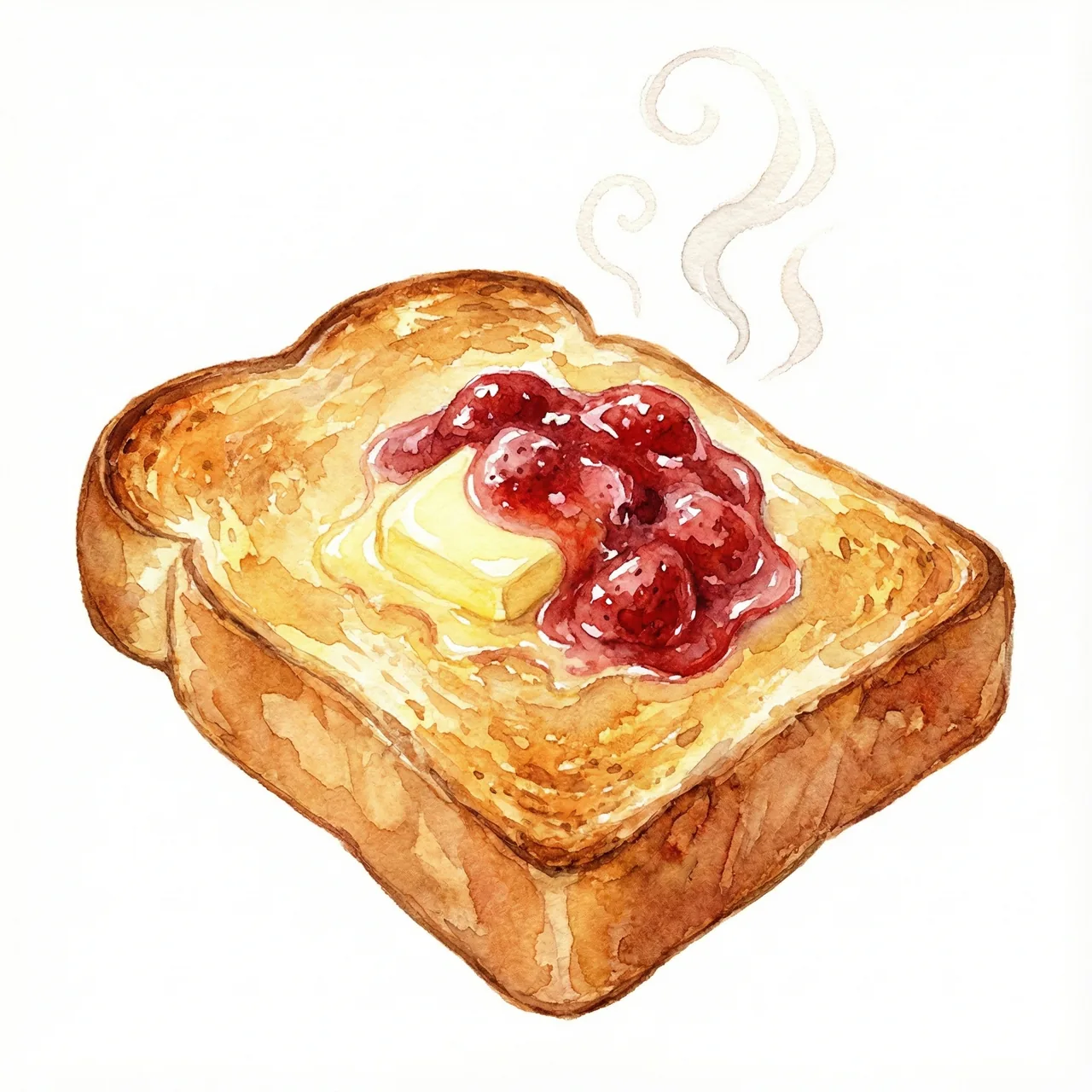
Forget the supermarket jars. Whole-fruit preserves bursting with intact strawberries. Rich, chunky peanut butter. Premium mail-order spreads that make everyday toast feel like a hotel breakfast.
5. Final Thoughts: Quality You Can Feel
Just a knife — and yet, so much more than a knife.
Cutlery polished by Tsubame-Sanjo craftspeople has a grip that feels like it was made for your hand, and a glide through food that is simply pleasant in a way cheap utensils never are.
Solving the small daily frustration of cold, unyielding butter is the kind of quiet upgrade that makes every morning a little better — and that's a surprisingly smart investment.