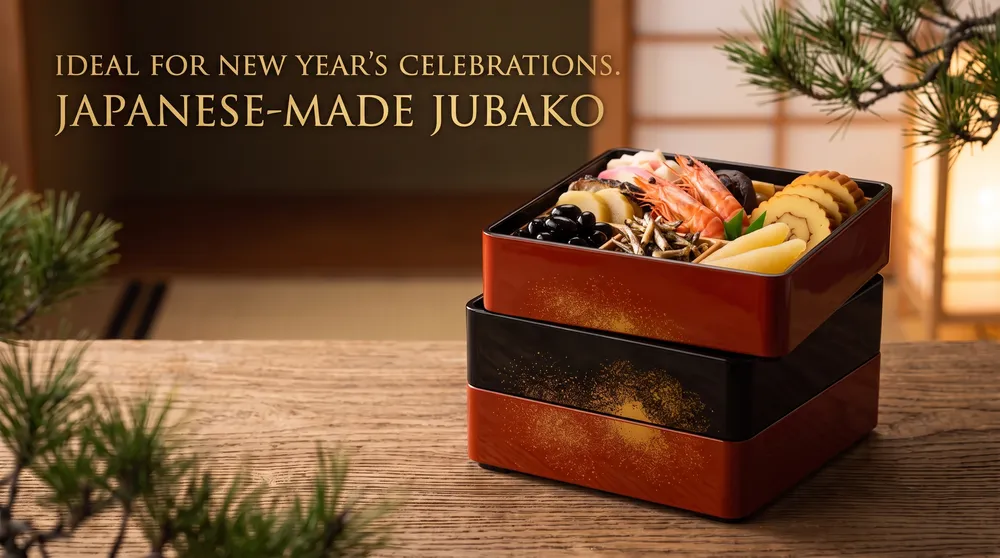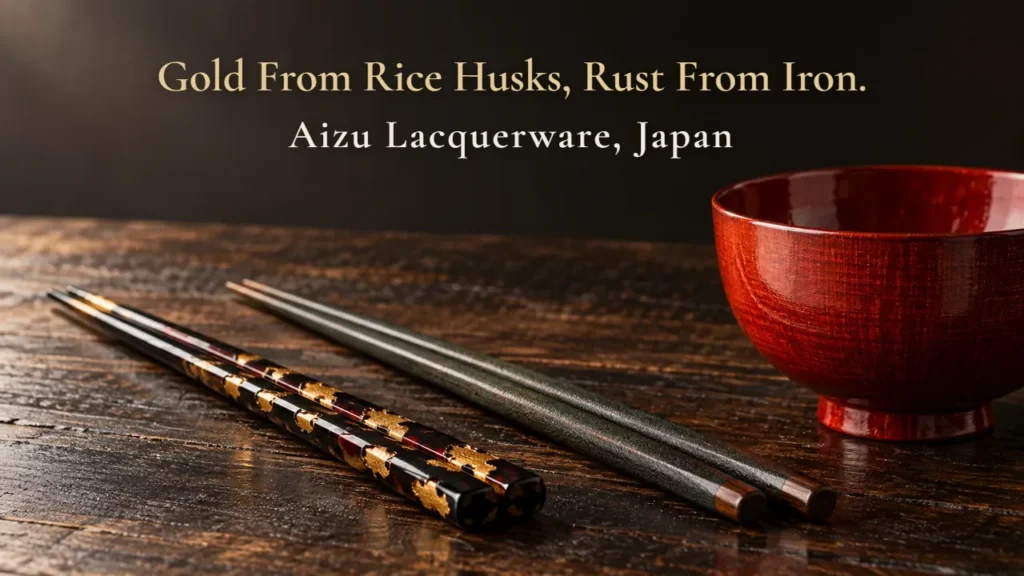
Lacquerware usually brings to mind glossy black or vermilion. Aizu-nuri, from Fukushima, has far more finishes than that.
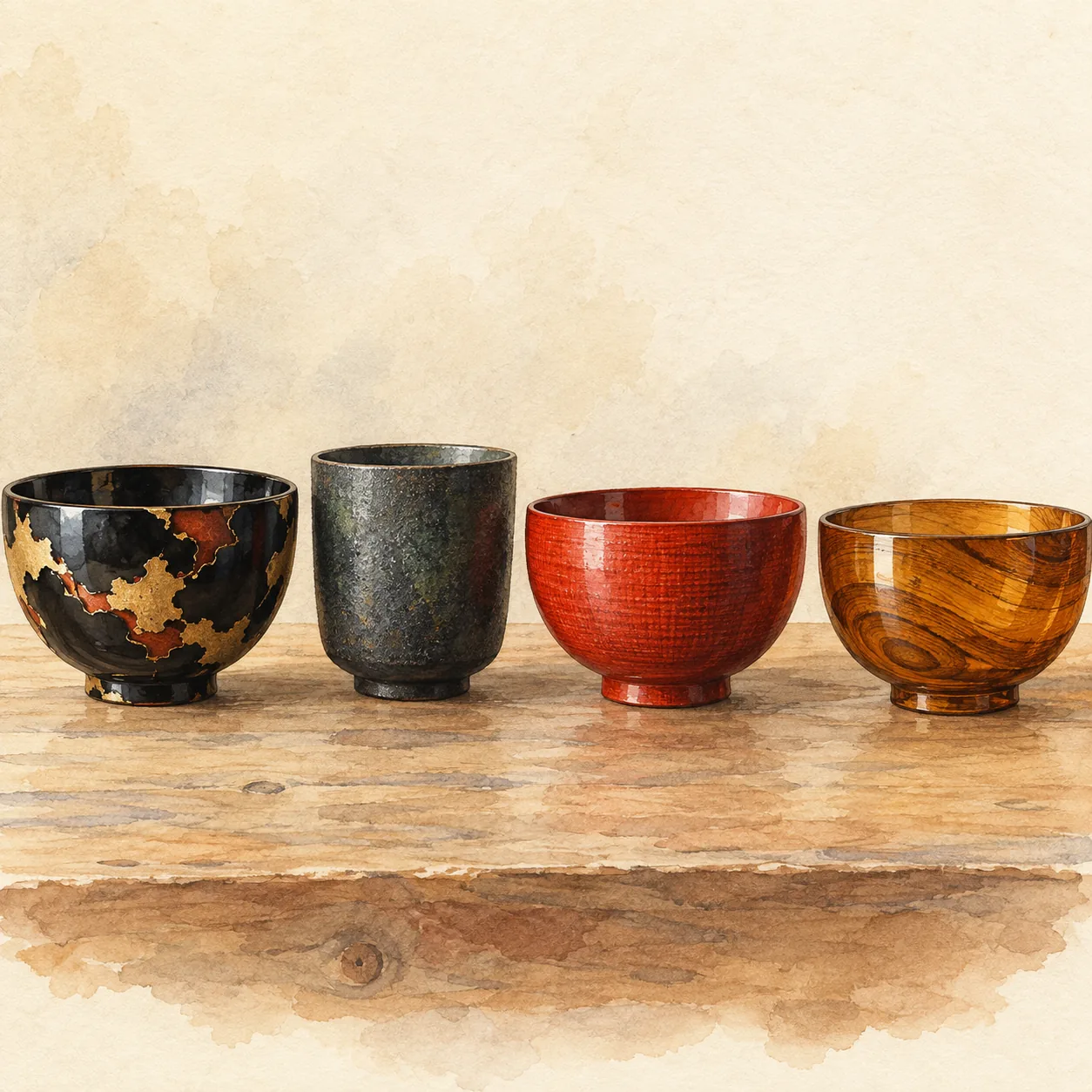
Kin-mushikui, where rice husks scattered on the lacquer leave a pattern of gold. Tetsusabi, which copies the surface of cast iron in lacquer. Nunokise, where the whole piece is wrapped in cloth and lacquered over and over. This guide introduces wooden, real-urushi Aizu chopsticks, bowls and a jubako (tiered box), finish by finish — with how to care for them.
Quick Reference: Which Aizu Finish?
| Finish / Technique | What it looks like | Piece in this guide |
|---|---|---|
| Kin-mushikui ▾ | Gold specks like worm-eaten traces | Pair of chopsticks |
| Tetsusabi (iron rust) ▾ | A subdued surface like cast iron | Chopsticks |
| Nunokise (cloth-wrapped) ▾ | Rustic texture with a cloth grain; tough | Horse-chestnut soup bowls |
| Tamenuri & maki-e ▾ | Deep amber with nandina in gold | Three-tier jubako |
1. Why Japanese: Aizu Has Many Finishes
From Muromachi Lacquer Trees to Edo-Era Exports
According to the Association for the Promotion of Traditional Craft Industries, Aizu-nuri began in the Muromachi period, when the area's ruling family encouraged the planting of lacquer trees. In the Azuchi-Momoyama period, a warlord who came from Omi brought in lacquerware craftsmen from Omi, and Aizu lacquer quickly became an industry.
It took in maki-e (gold-sprinkled decoration) from Kyoto, and by the mid-Edo period, with the shogunate's permission, even attempted exports overseas. What the association highlights is its "wide variety of lacquering techniques" — tetsusabi, kin-mushikui, and kijiro-nuri, which shows off beautiful wood grain.
The Steps You Can't See Decide the Quality
Aizu-nuri uses natural urushi lacquer, on wood such as Japanese magnolia (ho), horse chestnut (tochi), zelkova (keyaki) and castor aralia (sen). The work is divided by stage — making the wooden base, the foundation layers, the top coats, the decoration — and further by type, such as round pieces and flat ones. As the association puts it: "The steps that don't show on the surface — especially how the base is dried and how the foundation is built — decide the quality of lacquerware."
2. Kin-Mushikui: Gold Drawn by Rice Husks
The association describes kin-mushikui as a technique that creates its pattern by scattering rice husks. As the retailer explains it, gold leaf is laid over an irregular undercoat that looks like insect-eaten traces, then lacquer is built up and polished back to reveal it.
The pattern only appears when it's polished out, so where the gold shows, and how, is different for every pair. No two are alike — a very Aizu kind of craft.
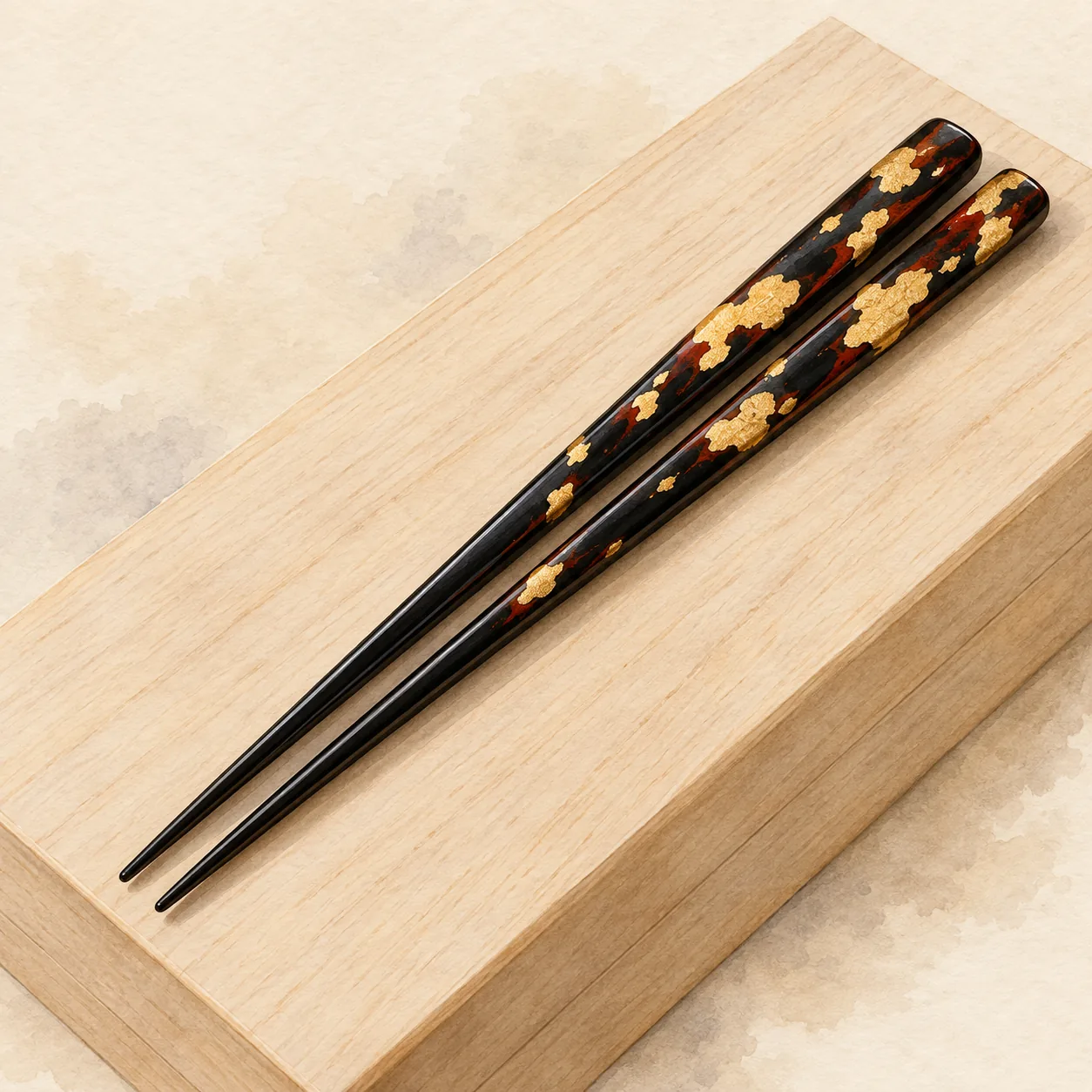
Aizu Kin-Mushikui Couple's Chopsticks, 23 cm (in a Paulownia Box)
One-of-a-kind his-and-hers chopsticks, each pair made by hand: natural wood, lacquered, 23 cm long. They come in a paulownia box, which makes them a wedding or anniversary gift. Right down to the tips, you can enjoy the craftsman's skill and the difference between the two.
3. Tetsusabi: Cast Iron, Copied in Lacquer
Tetsusabi-nuri is the Aizu technique the association calls "subdued." Under the standards for Traditional Crafts, a design is painted in raw lacquer mixed with materials such as rust-coloured clay, then dusted with fine powders and polished.
Takahashi Shoten in Aizu-Wakamatsu introduces these chopsticks as "cast iron expressed in lacquer." They look as heavy as iron — and feel as light as wood in your hand. That surprise is the fun of them.
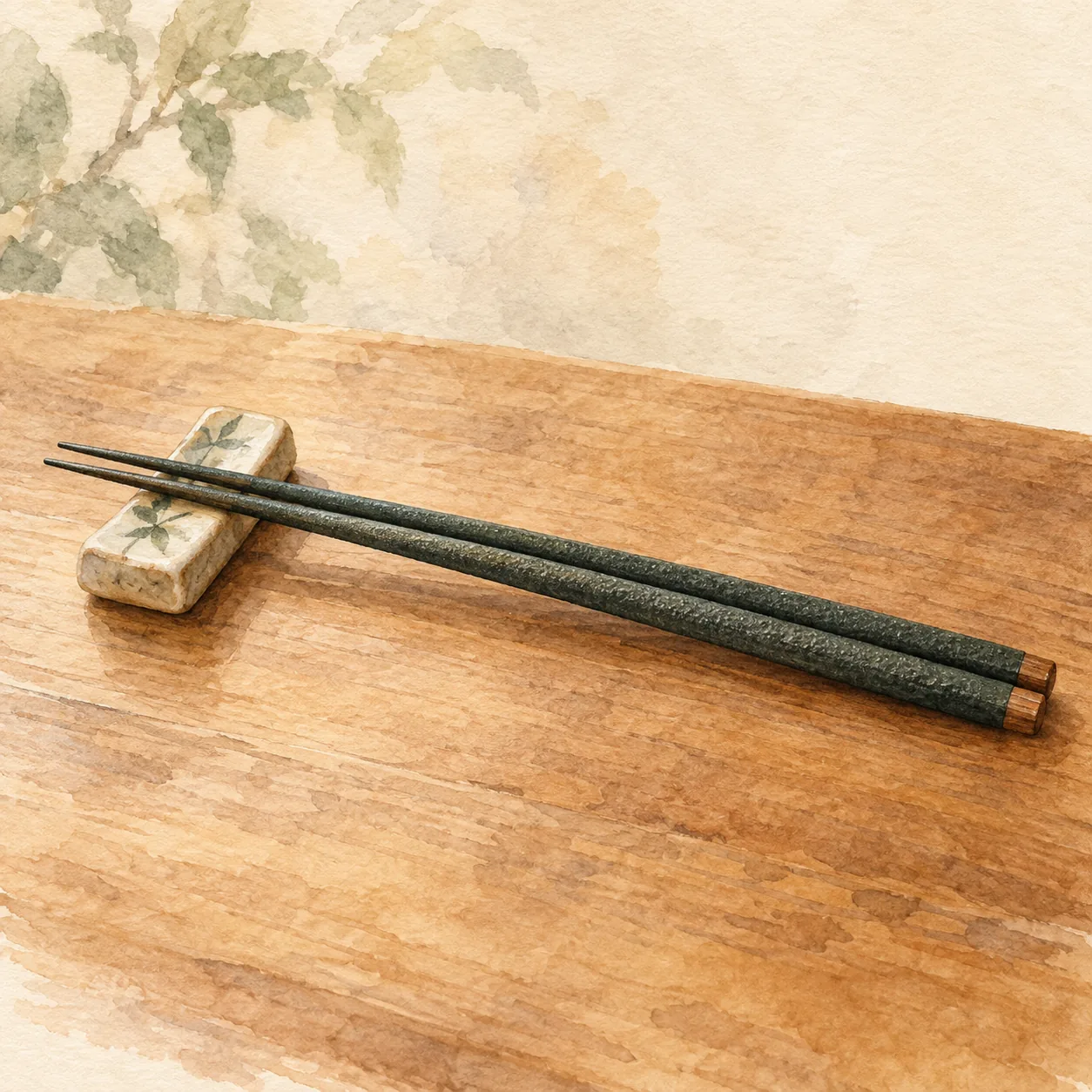
Aizu-Nuri Chopsticks, Tetsusabi Green
Natural wood with a tetsusabi finish, 23.5 cm long. Made to order, arriving about a month after you order. For your own everyday chopsticks, or as a keepsake gift.
4. Nunokise Bowls: Cloth Over Horse-Chestnut Wood
Takahashi Shoten's "Takumi" bowls use horse-chestnut wood from deep in the Aizu region. They're made by covering the whole bowl in cloth, then building up layer upon layer of lacquer and polishing it back. The retailer writes that "the lacquer is extremely hard, and the finish very durable."
In the retailer's words, "rustic, yet very refined." A wood-and-lacquer bowl for everyday miso soup.
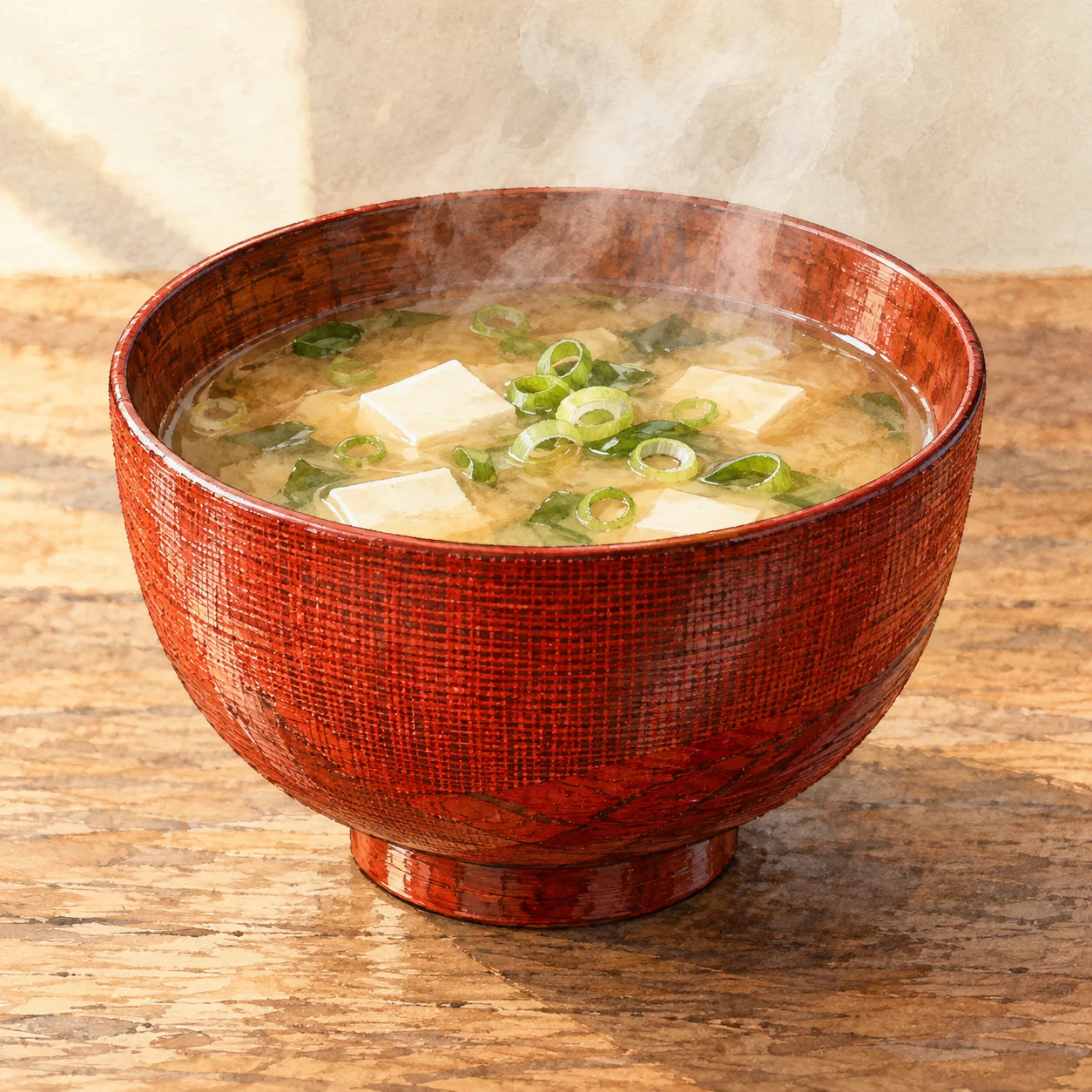
Aizu-Nuri "Takumi" 3.8-Sun Cloth-Wrapped Bowl, Vermilion
A vermilion soup bowl of horse-chestnut wood, wrapped in cloth and lacquered in layers: 11.4 cm across, 6.4 cm tall. The retailer calls it "a representative work of Aizu's traditional lacquer craft." Comes in a gift box.
Aizu-Nuri "Takumi" Couple's Bowls, Black-With-Vermilion and Vermilion
The same cloth-wrapped bowl as a pair — one black outside and vermilion inside, one all vermilion. One buyer's review reads: "I bought these as a gift for my parents' golden wedding anniversary. I love the simple, warm feel of Aizu-nuri."
5. A Tamenuri Jubako With Nandina in Maki-e
Aizu has long excelled at maki-e, the decoration it took in from Kyoto. Takahashi Shoten's three-tier box is tamenuri (a deep, translucent amber lacquer) outside and vermilion inside; the retailer describes tamenuri as a lacquer colour that suits any season.
On it, nandina in maki-e. Nandina (nanten) is a lucky plant, said to "turn away trouble" — its name sounds like nan wo tenzuru. Use it for osechi at New Year, or for a picnic lunch under the spring blossoms.
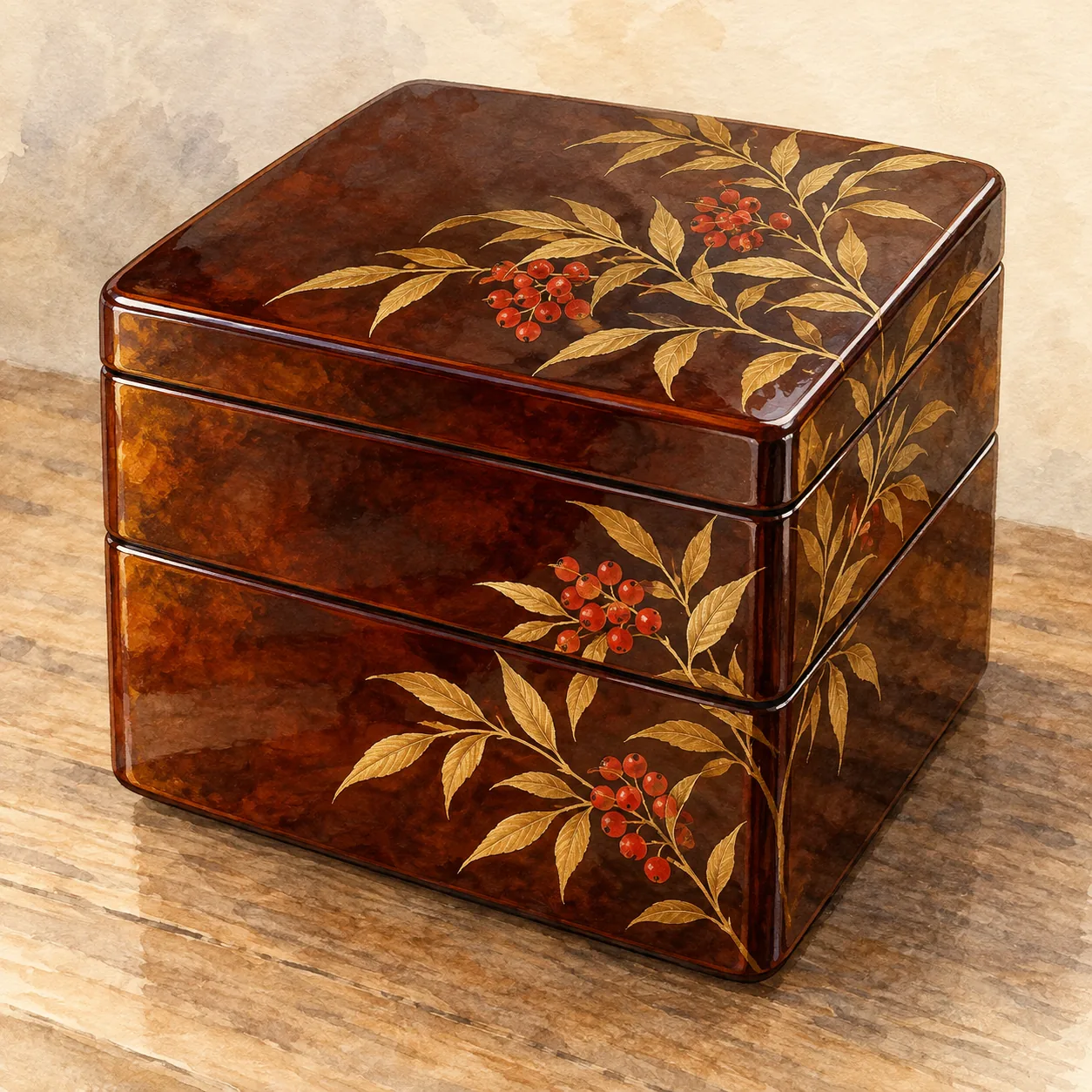
Aizu-Nuri Jubako, Tame/Vermilion 6.0 Three-Tier, Nashiji Nandina
A 6-sun (about 18 cm square) three-tier box, natural wood lacquered by hand: 20 cm tall, with one divider. In a gift box — a present to welcome the new year.
Did you know: "Aizu-e," with lattice and diamond-shaped leaf
One of Aizu's decorations is called Aizu-e. Under the Traditional Craft standards, a higaki (cypress lattice) pattern is painted, then diamond-shaped pieces of metal leaf are pressed on. There are many more: nishiki-e, which draws cloud shapes, and chinkin, where gold leaf or powder is set into grooves carved with a chisel.
6. Caring for Wood and Lacquer
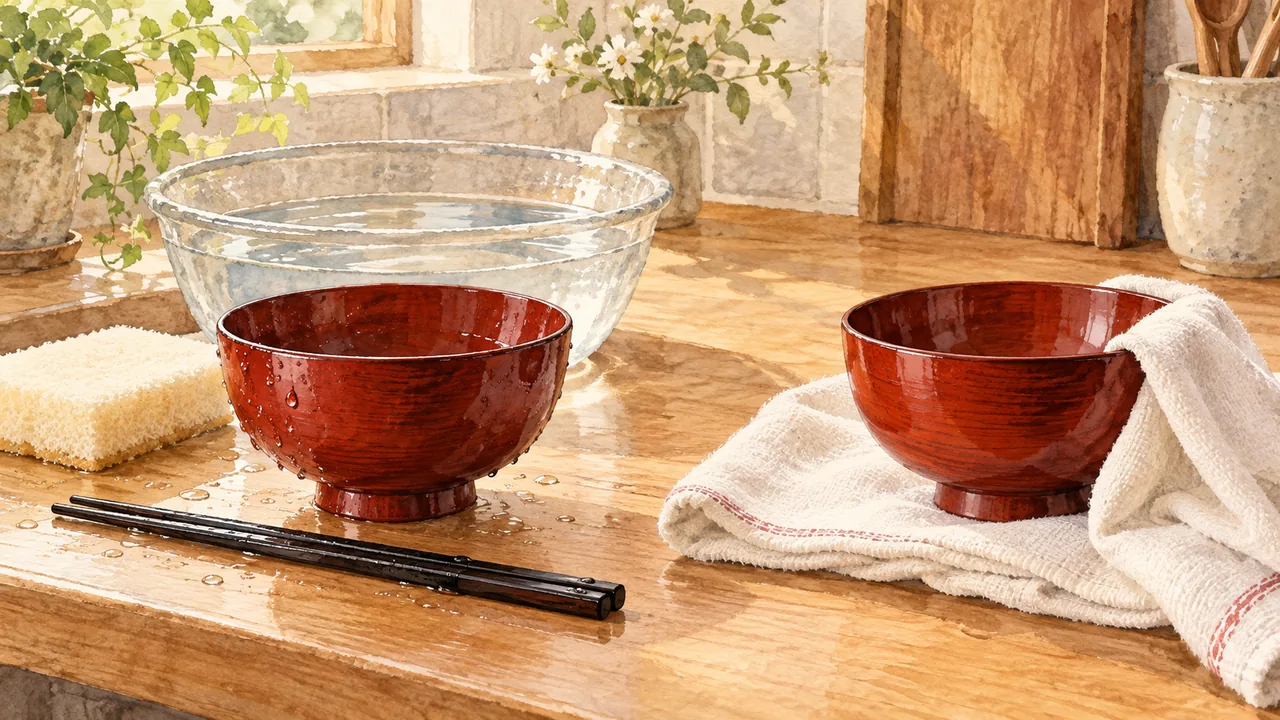
① No microwave, dishwasher or oven
Every piece in this guide is natural wood with real urushi. The retailer of the kin-mushikui chopsticks states plainly: "Not for use in microwave, dishwasher or oven." Think of wood and lacquer as things you wash by hand.
② Wash gently, dry at once
The same retailer advises avoiding scrubbing brushes and abrasive powders and washing with a soft sponge, not leaving pieces soaking in water for long, washing them as soon as you can, and wiping off the water with a soft cloth. That way they last.
7. Buying From Outside Japan
As of November 2026, the pieces in this guide are sold through Japanese shops, and we didn't find wooden, real-urushi Aizu-nuri with a confirmed maker on Amazon.com. When you look elsewhere, check the listing for:
- "Natural wood" and "urushi" in the materials. Some pieces sold under the Aizu-nuri name have a resin base and are dishwasher-safe — fine for daily use, but a different thing from wood and lacquer.
- Aizu or Fukushima, and the maker's or shop's name.
- The finish by name — kin-mushikui, tetsusabi, nunokise — if you're after one of the techniques in this guide.
If you travel to Japan, Aizu-Wakamatsu, a few hours from Tokyo, is the place to see the many finishes side by side.
8. Frequently Asked Questions
What makes Aizu lacquerware distinctive?
Auspicious designs and a wide range of finishes and decoration. The Association for the Promotion of Traditional Craft Industries highlights its many lacquering techniques, including tetsusabi, kin-mushikui and kijiro-nuri.
What is kin-mushikui-nuri?
A technique that creates an insect-eaten-looking pattern with rice husks, then reveals it in gold leaf and lacquer by polishing. The pattern only appears when polished, so every pair looks different.
Can Aizu lacquerware go in the dishwasher?
Not if it's natural wood and real urushi. Wash by hand with a soft sponge and wipe dry at once. Some resin-based "Aizu-nuri" is dishwasher-safe, so check the materials.
What wood is used for Aizu-nuri?
Japanese magnolia, horse chestnut, zelkova and castor aralia, among others. The "Takumi" bowls in this guide use horse chestnut from the Aizu region.
What makes a good Aizu-nuri gift?
Kin-mushikui couple's chopsticks for a wedding; cloth-wrapped couple's bowls for an anniversary or long life. Both come as a pair, and each piece looks a little different.
How old is Aizu-nuri?
It began in the Muromachi period, when planting lacquer trees was encouraged. It grew into an industry in the Azuchi-Momoyama period and attempted overseas exports in the mid-Edo period.
Final Thoughts: Gold Husks, Iron Rust, Cloth Grain
Aizu-nuri is lacquerware with a deep drawer of finishes.
Gold patterns drawn by rice husks. Cast iron copied in lacquer. Horse-chestnut bowls wrapped in cloth and built up into something tough. A tamenuri jubako with nandina in gold.
Wash gently, wipe at once, and wood and lacquer will last for years. Pick up one piece of Aizu-nuri, and see a lacquer world beyond black and red.
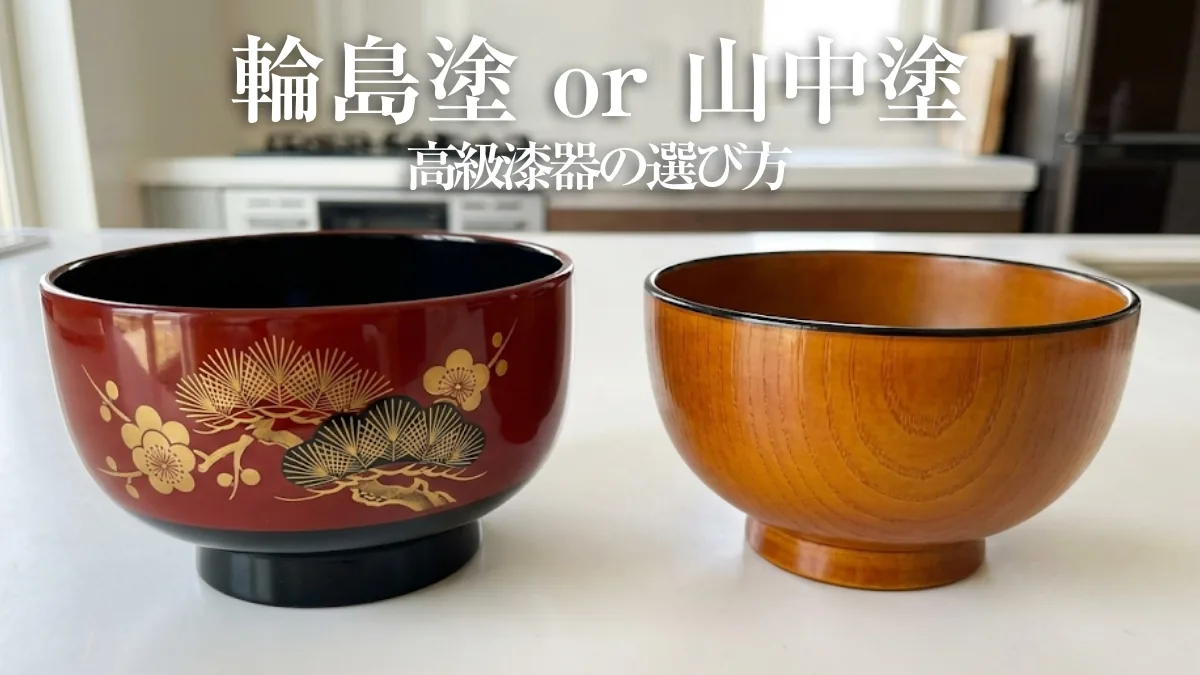
Japanese Lacquerware: Wajima vs Yamanaka — Top 5 Urushi Brands

Urushi: Japan's Natural Lacquer, Its Properties & Care Guide