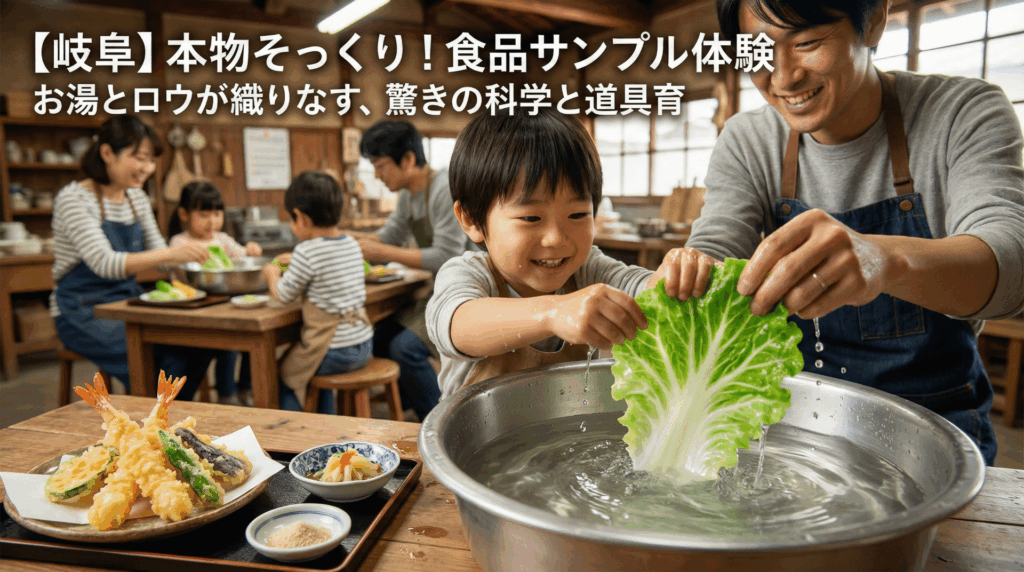
The glossy Napolitan pasta and golden-battered fried shrimp displayed at the entrance of department stores and family restaurants...
Those incredibly lifelike "food samples" were actually born in Japan during the Taisho and early Showa eras, and have evolved into a uniquely Japanese art form that the world marvels at.
And the "holy land" that accounts for the majority of Japan's food sample production is Gujo Hachiman (Gujohachiman), Gifu Prefecture — a town known for its pristine spring water and traditional Bon Odori dancing.
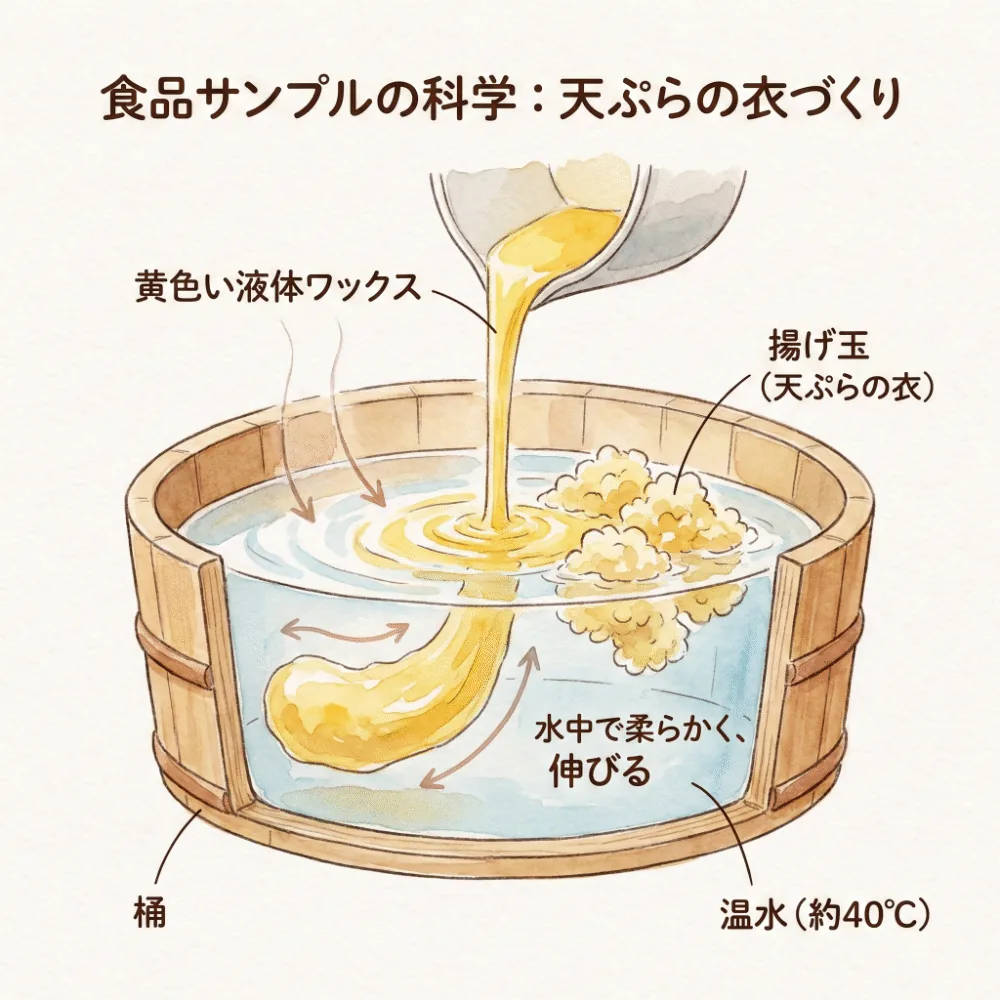
The experience that is overwhelmingly popular with families visiting this town is the "Tempura and Lettuce Making Experience," where you drizzle colored wax melted to a liquid into warm water at approximately 40°C.
You spread green and white wax across the water's surface, then slowly drag it down with both hands into the water — and in an instant, it transforms into incredibly realistic lettuce, complete with veins! That split-second magical transformation glues children's eyes wide open, and even moms and dads can't help exclaiming "Wow!" It's pure entertainment.
In this article, we'll thoroughly guide you through a family trip to Gujo Hachiman — from the secrets of the "science magic" that wax and hot water create together, to food strolls and spring water walks through the charming castle town — packed with learning and wonder!
Tips for Enjoying the Sample Experience as a Family
- The ultimate "science experiment": Experience firsthand the fascinating science of how liquid wax transforms into a "softly solid" state due to water temperature, trapping air to form complex shapes (the batter of tempura, the wrinkles of lettuce).
- Safe and worry-free, even for young children: No hot oil or sharp utensils are used. The water is about the same temperature as a warm bath at around 40°C, so even toddlers can enjoy it without fear of burns.
- Take it home the same day: Once your tempura or lettuce is placed in cold water to cool, it hardens right away, making it the "ultimate souvenir" to take home.
- Pair it with a stroll through the castle town: The beautiful streets of Gujo Hachiman, crisscrossed by waterways, are perfect for nibbling on croquettes and gohei mochi! There's plenty to enjoy before and after the experience.
1. [Deep Dive] Why Hot Water? The Science and History of Food Samples
Modern food samples are primarily made by pouring synthetic resins (such as vinyl chloride) into silicone molds — materials that resist fading and heat. However, experience workshops deliberately use the traditional material of "wax." There is a deep scientific reason for this.
The Magic of "Perfect Softness" Created by Water Temperature
The wax used in the experience has a melting point of around 50°C. What happens when you drizzle it into water that is "not too hot, not too cold" — approximately 40°C?
It doesn't instantly harden like it would in cold water, nor does it scatter as a liquid the way it would in boiling water. Instead, it enters a miraculous state — "solidifying yet still stretchy enough to be pulled and shaped by hand (= plastic/malleable)" — somewhere between clay and rubber.
By manipulating this "soft wax in warm water" and folding air into wrinkles, you can realistically recreate the crispy texture of real tempura batter and the delicate veins of fluffy lettuce! It is truly a scientific technique unique to Japanese craftspeople, who have mastered the properties of water and temperature.
The "Father of Food Samples," Takizo Iwasaki's Flash of Inspiration
Takizo Iwasaki (岩崎瀧三), a native of Gujo Hachiman, is the "father of food samples" — the man who commercialized the concept and spread it throughout Japan. It is said that as a child, he saw melted candle wax drip into a puddle on a shrine's grounds and harden into a beautiful petal-like shape. That memory later became the inspiration for creating his first food sample — a milestone omelet (the very first ever made!)
2. Lettuce in an Instant!? 3 Thrilling Steps of the Experience
Here we introduce the process for making the workshop's most popular items: traditional "tempura and lettuce." A professional craftsperson will guide you every step of the way, so even first-timers are guaranteed to succeed!
| Step | What Happens & Key Points |
|---|---|
| ① [Tempura] Drop the Batter from High Up |
[The Magic of Batter Spreading Across the Water] Drizzle yellow wax from a paper cup in a thin stream from about 30 cm above the water's surface. The wax drifts and spreads across the surface, solidifying to look just like real "tenkasu" (fried batter bits)! |
| ② [Tempura] Place the Filling and Wrap It |
[Shrimp Tempura Done in No Time!] Place a pre-prepared food sample "core" (shrimp or kabocha pumpkin) in the center of the batter spread on the water's surface. Then slowly sink it to the bottom while wrapping the batter around it — and you have tempura that looks fresh-fried and perfectly crispy! |
| ③ [Lettuce] Drag It Down Into the Water |
[The Big Highlight! The Birth of Lettuce] Pour white wax into the water in a long strip, then add green wax on both sides. Hold each end with both hands and slowly pull the whole thing down into the water — the wax folds randomly into miraculous, ultra-realistic "lettuce wrinkles and veins." Roll it into a ball, cut it in half with a knife, and the cross-section is indistinguishable from the real thing! |
3. [Gifu / Gujo Hachiman] 2 Experience Spots to Touch Real Craftsmanship
※ The pins on the map indicate the spots introduced in this article. Please check the official websites for the latest information on prices and opening days.
① Sampuru Kobo Main Store | A 150-Year-Old Machiya Meets Food Samples
Located right in the heart of Gujo Hachiman's historic streetscape (an Important Preservation District for Groups of Traditional Buildings), this spot is hugely popular with tourists. The building itself is a renovated traditional townhouse (machiya) over 150 years old — the moment you step inside, you're transported to the romantic atmosphere of the Taisho era!
In the spacious experience workshop at the back, you can enjoy making "tempura and lettuce" (there are also adorable menu options like an overflowing matcha cup!). The facility features astonishing oversized food sample displays and a glass-fronted corner where you can watch real craftspeople at work — endlessly fascinating! The souvenir shop, where you can buy things like bacon-shaped bookmarks and mandarin orange magnets, will make time melt away just from browsing.
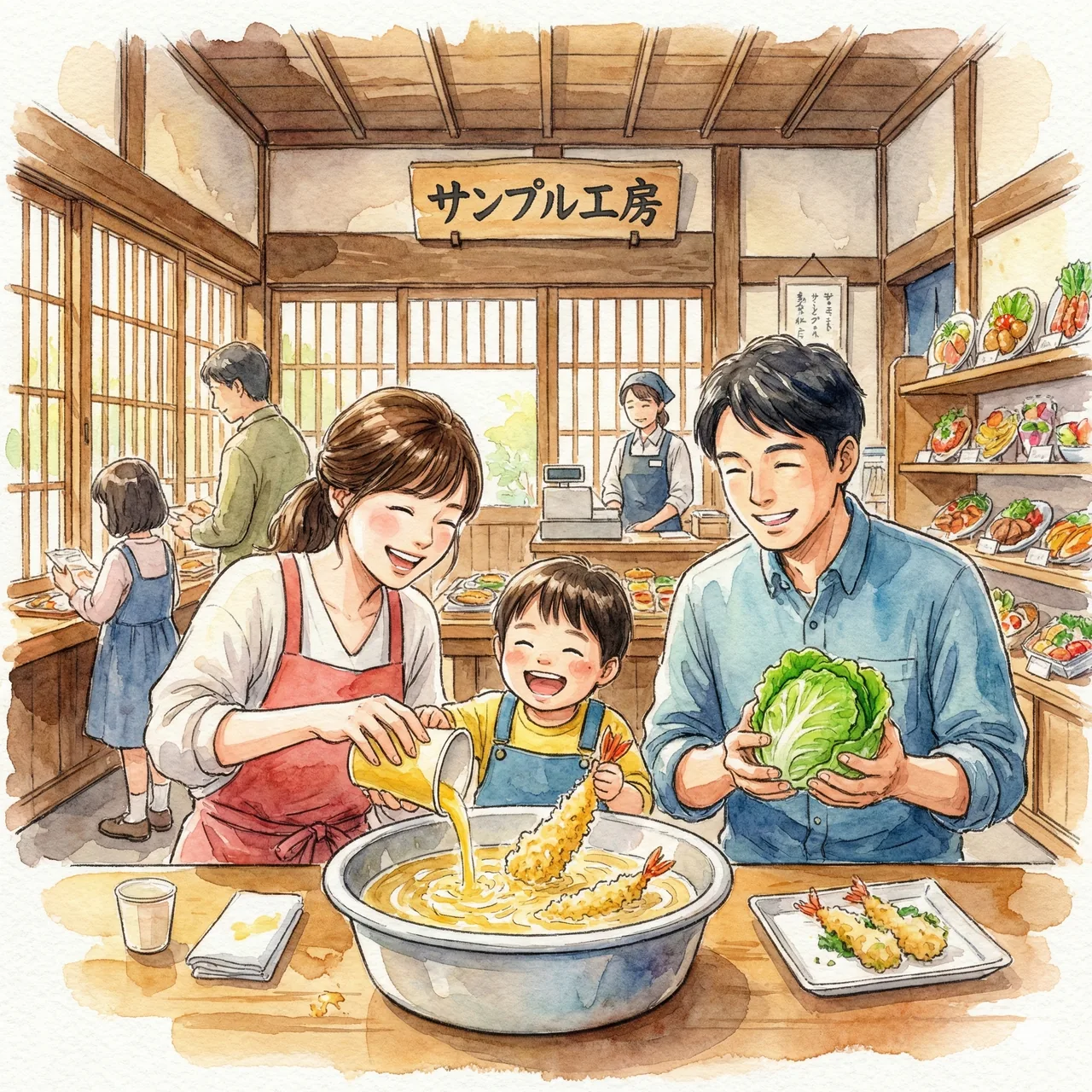
👨👩👧👦 Family & Sightseeing Checklist
- Unbeatable access: Located right in the center of the historic streetscape, after your experience you can head straight to grab some local soba noodles or stroll along the waterways — it's the perfect sightseeing base.
Basic Information (Approximate)
- Experience Menu: Tempura & lettuce making, sweet tart making, and more
- Duration: Approx. 30–45 minutes
- Price Range: From ¥1,500 (varies by menu)
- Reservations: Extremely popular — advance booking via the official website is strongly recommended.
② Sample Village Iwasaki | The Birthplace of Food Samples
This large facility is operated by the company (Iwasaki Mokei Manufacturing) founded by the "father of food samples" mentioned above — Takizo Iwasaki — making it truly the origin of the food sample world.
It displays a stunning collection of professional-grade food samples that have adorned restaurant showcases for decades, and the history and craftsmanship are awe-inspiring. The experience space is also very spacious, with veteran staff members teaching you the tricks of manipulating wax like a magician, with plenty of humor.
It's a short distance from the town center, but the trade-off is a large parking lot — making it very easy to visit on a family road trip.
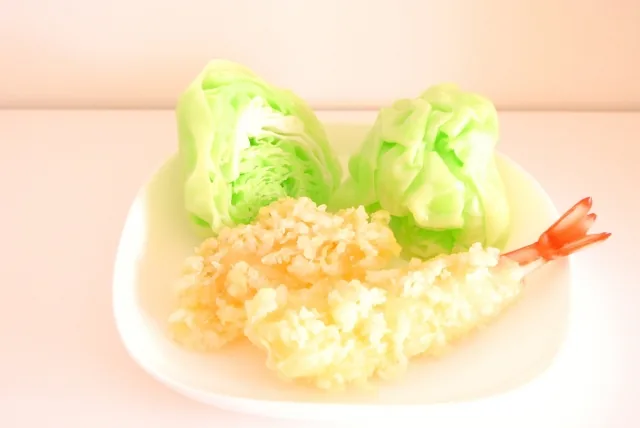
Basic Information (Approximate)
- Experience Menu: Tempura & lettuce making, sweets & parfait making, and more
- Duration: Approx. 40 minutes+
- Price Range: From ¥1,200 (for a set of tempura pieces, etc., varies by plan)
4. [Model Itinerary] Spring Water and Craftsmanship! A Gujo Hachiman Day Trip Schedule
Gujo Hachiman is truly a town where water is breathtakingly beautiful. After your sample experience using hot water and cold water, we recommend this laid-back model course wandering the waterways that crisscross the town.
- 10:00 | Head to "Gujo Hachiman Castle", the castle in the sky! Gaze down at the castle town from the beautiful wooden-rebuilt fortress
- 11:30 | Descend to the historic streetscape for lunch. Savor "soba noodles" made with famous spring water, and the local specialty "Hida beef croquettes"
- 13:00 | Head to your reserved spot at "Sampuru Kobo"! Challenge yourself to make tempura and lettuce using hot water and wax
- 14:30 | Visit "Sogisui", a natural spring in the heart of town, and be moved by the crystal-clear beauty of the water
- 15:30 | Take a stroll along "Igawa Komichi", a beautiful waterway where massive koi fish swim. Feed the koi and head home
5. Where to Play After the Experience! 3 Powerful Sightseeing & Dining Spots Nearby
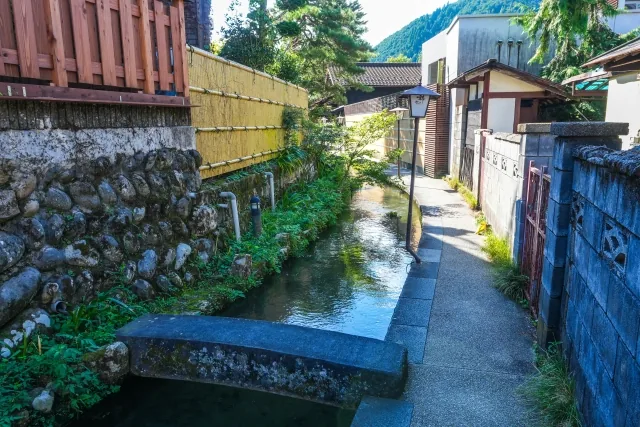
① Igawa Komichi & Sogisui | Healed by Famous Spring Water
When talking about the charms of Gujo Hachiman, "water" is indispensable.
Along the "Igawa Komichi" waterway that flows gently behind houses, unbelievably plump and colorful koi glide gracefully — and kids absolutely love being able to buy fish food for 100 yen and feed them.
The area around "Sogisui," the first spring water designated as one of Japan's Top 100 Natural Waters, is also a wonderful photo spot with its cobblestones and well-preserved traditional streetscape. You can also find the "Mizufune" (water trough) eco-system throughout the town — a brilliant way our ancestors used water wisely, making it a superb environmental lesson.
② Gujo Hachiman Castle | Japan's Oldest Wooden Rebuilt Castle
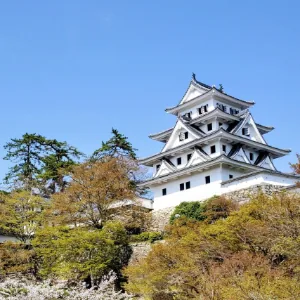
A beautiful white castle standing atop a small hill.
Rebuilt in the early Showa era, it is the oldest castle in Japan to have been rebuilt in "wood" rather than concrete! Walking through the interior, the creaking wooden floors evoke a powerful sense of history. From the keep at the top of a steep climb, you can enjoy a panoramic view of the castle town of Gujo Hachiman — shaped like a fish — and in autumn it becomes a spectacular scene wrapped in blazing fall foliage.
③ Exceptional Local Food! Top 3 Picks: "Soba," "Gujo Ayu," and "Keichan"
Gujo Hachiman, where two of Japan's finest rivers — the Nagara and Yoshida — flow, boasts exceptional food thanks to its outstanding water.
From "soba noodles" made with famous spring water, to the fragrant "Gujo ayu" sweetfish, to the Gifu soul food "Keichan (けいちゃん)" chicken stir-fry that makes rice disappear — here are three family-friendly lunch spots we recommend!
🥢 Sobamasa Matsui, Gujo Hachiman Branch | Exceptional Handmade Soba Nurtured by Spring Water
A popular restaurant with excellent access from the historic streetscape where Sampuru Kobo is located. Enjoy freshly-made and freshly-boiled soba with a wonderful al-dente bite, made using Gujo's famous spring water and carefully selected buckwheat flour. The smooth, easy-to-eat soba is perfect for kids' lunch! The unusual tempura of shrimp wrapped in soba batter is also hugely popular.
🐟 Gujo Hachiman Yana | Spectacular Yana Fishing and Fresh-Grilled Gujo Ayu
A spot where you can enjoy natural "Gujo ayu" sweetfish while taking in the magnificent scenery of the Nagara River (※ open summer to autumn). Not only can you dine here, but you can also descend to the "Yana" — a huge bamboo and wood slatted weir set in the river — and watch ayu leaping right in front of you, which is guaranteed to send kids into a frenzy of excitement!
🥘 Teppan Izumisaka | "Keichan" That Makes Rice Disappear
A teppan (iron griddle) restaurant located in the heart of Gujo Hachiman (just a short walk from the Old Town Hall Memorial). The local Gifu specialty "Keichan-yaki Teishoku" — Oku-Mino heritage chicken and vegetables stir-fried in a special sauce fragrant with miso and garlic — is absolutely superb! It's sure to satisfy hungry dads and growing kids alike. The Hida beef menu is also extensive.
7. Unwind After Sample-Making! Family-Friendly Accommodations in Gifu
After being amazed by the magic of food samples in Gujo Hachiman and strolling through the beautiful castle town and riverside, take some time to relax as a family!
We've picked out the most beloved family accommodations from the "most popular hotel right in Gujo Hachiman" — perfect as a sightseeing base — to the famous hot spring resort of "Gero Onsen," one of Japan's three great hot springs, worth the extra drive.
🏯 Gujo Hachiman Area (Walking distance to the castle town! Nestled at the foot of Gujo Hachiman Castle)
Gujo Hachiman Hotel Sekisuien
Walking distance from the food sample workshops and the castle town! Located right below Gujo Hachiman Castle, this is the most recommended hotel for families visiting the area as a sightseeing base.
Surrounded by nature in a quiet setting, it has spacious communal baths where you can stretch out your tired legs after a day of walking. The cuisine using local ingredients like "Hida beef" and "Gujo ayu" is highly praised, and the attentive child-friendly plans (such as co-sleeping plans) make it a reassuring choice.
👘 Gero Onsen Area (About 1 hour by car. Enjoy one of Japan's three great hot springs and a pool!)
Gero Onsen Suimeikan
About 1 hour by car through a scenic natural drive from Gujo Hachiman. If you've made the trip to Gifu, extending your stay to "Gero Onsen," one of Japan's three great hot springs, makes for the ultimate overnight plan!
"Suimeikan" is Gero Onsen's definitive classic — a large, beloved traditional inn with three massive communal baths and an indoor heated pool. The silky-smooth hot spring water known as "Bijin-no-Yu" (Beauty Water) and the lavish buffet dinner kids love will bring your family trip satisfaction to an all-time high.
7. [After You Get Home] Keep Being a Craftsperson! DIY Kits for Even Deeper Learning
After returning from your trip, putting your tempura and lettuce on display in the living room will once again fill you with amazement at how realistic they are. For children whose passion for making things has been ignited with a "I want to make more!", at-home kits are hugely popular.
🎨 Heat Up Your Family's Weekends! Food Sample Making Kits
Today, many DIY kits are available that use durable, easy-to-handle resins (rather than wax) to safely recreate "parfaits," "shaved ice," and more at home. Why not challenge your craftsmanship again as a parent-child team — as a summer holiday project or rainy-day activity?
Conclusion: The Magic Born from Fingertips Conveys Japan's "Dexterity"
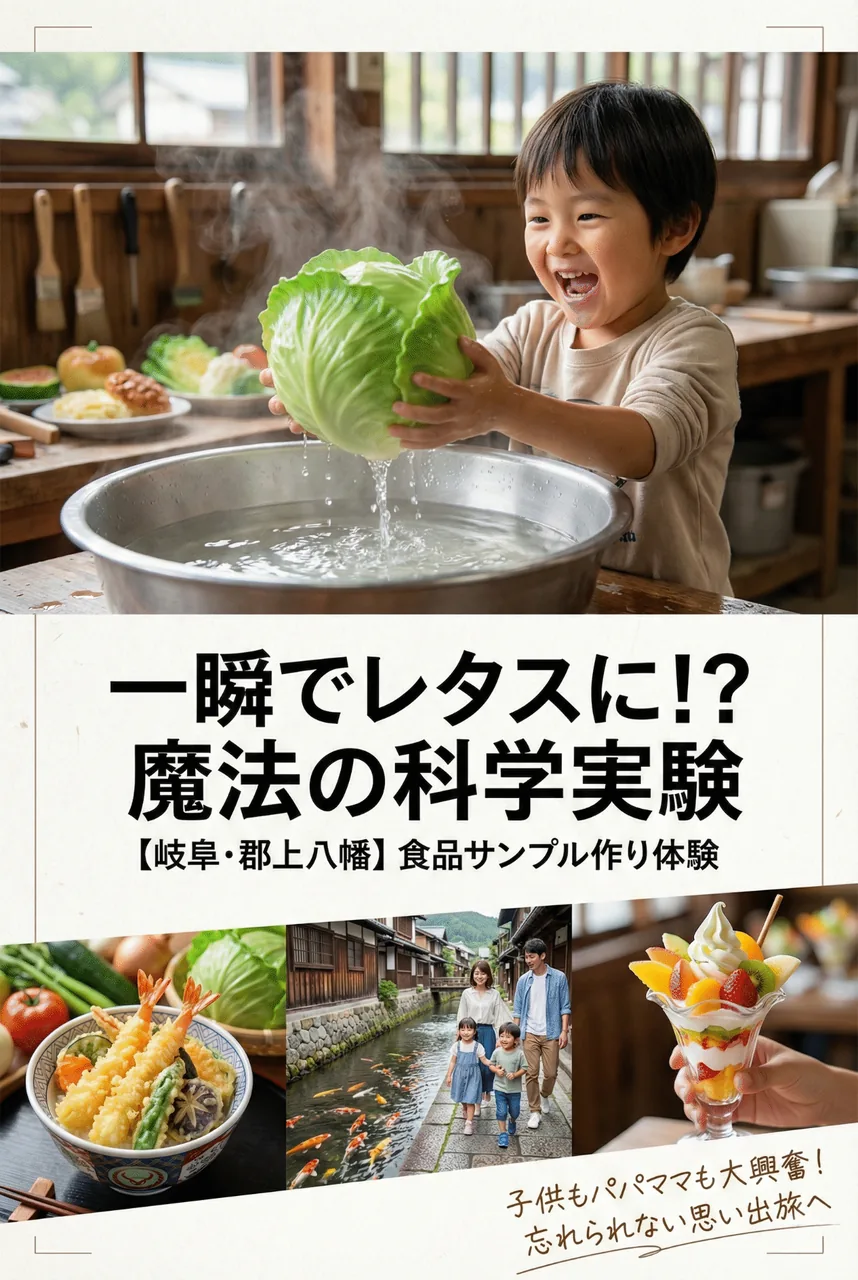
"Dad, look! This isn't real lettuce!"
Slowly dragging wax down into the warm water, watching it transform in an instant into fluffy, realistic lettuce.
Adults and children alike can't help crying out "Wow!" — no logic required. That's the overwhelming entertainment of this experience.
The food samples you used to glance at casually through restaurant windows...
Once children learn that each and every one was born from a craftsperson's fingertips and the science of water and temperature, they'll start looking at every display case they pass and wondering "How was this made?" — beginning to think about the technology behind the things they see.
This weekend, why not set out on a trip to Gujo Hachiman, Gifu Prefecture — where you can be soothed by crystal-clear spring water and charming old streets while experiencing Japan's world-class "dexterity"?