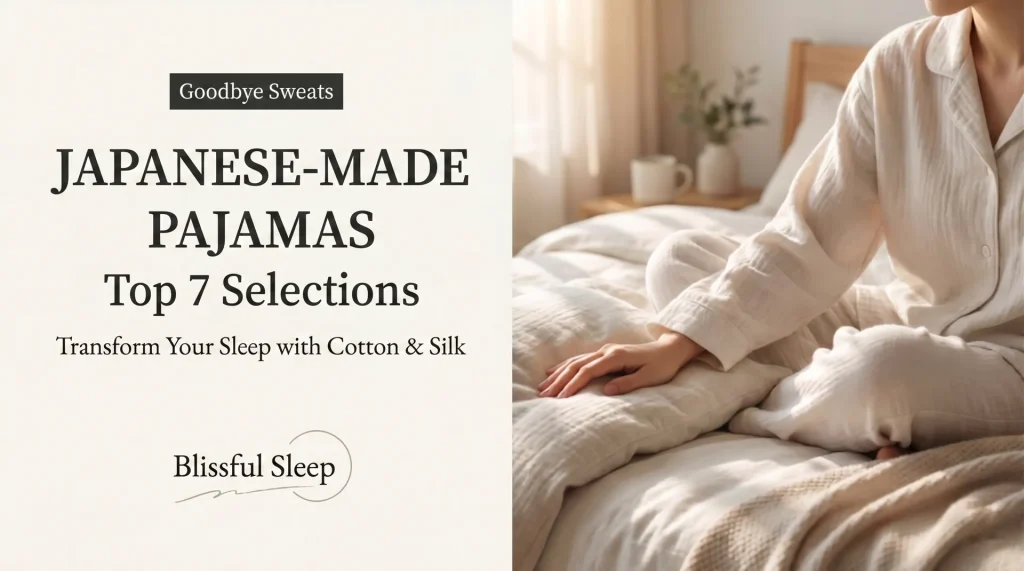
The seven Japanese pajama brands most worth buying are Kyo Wazarashi Mensha, Kaimin Labo, Foo Tokyo, GUNZE
KAIMIN NAVI, TENERITA, Matsunamiki, and Wacoal Suimin Kagaku — makers working in wazarashi gauze, silk,
and certified organic cotton, fabrics that pull moisture off the skin instead of trapping it against you.
Tonight is the last night you sleep in an old T-shirt.
If you have been waking up tired, waking in the middle of the night, or waking drenched in sweat — the problem may not be your mattress or your pillow. It may be what you are wearing.
A sleeping person perspires about a cup of water every night. Japanese-made pajamas are engineered specifically around this fact — designed to absorb moisture instantly, regulate body temperature, and let the skin breathe all night long.
This guide covers seven Japanese pajama brands that will make you feel the difference the moment you put them on.
1. Why Japanese-Made? Wazarashi Gauze and Silk Explained
Japanese pajamas stand apart not only because of careful stitching, but because of an obsessive attention to fabric.
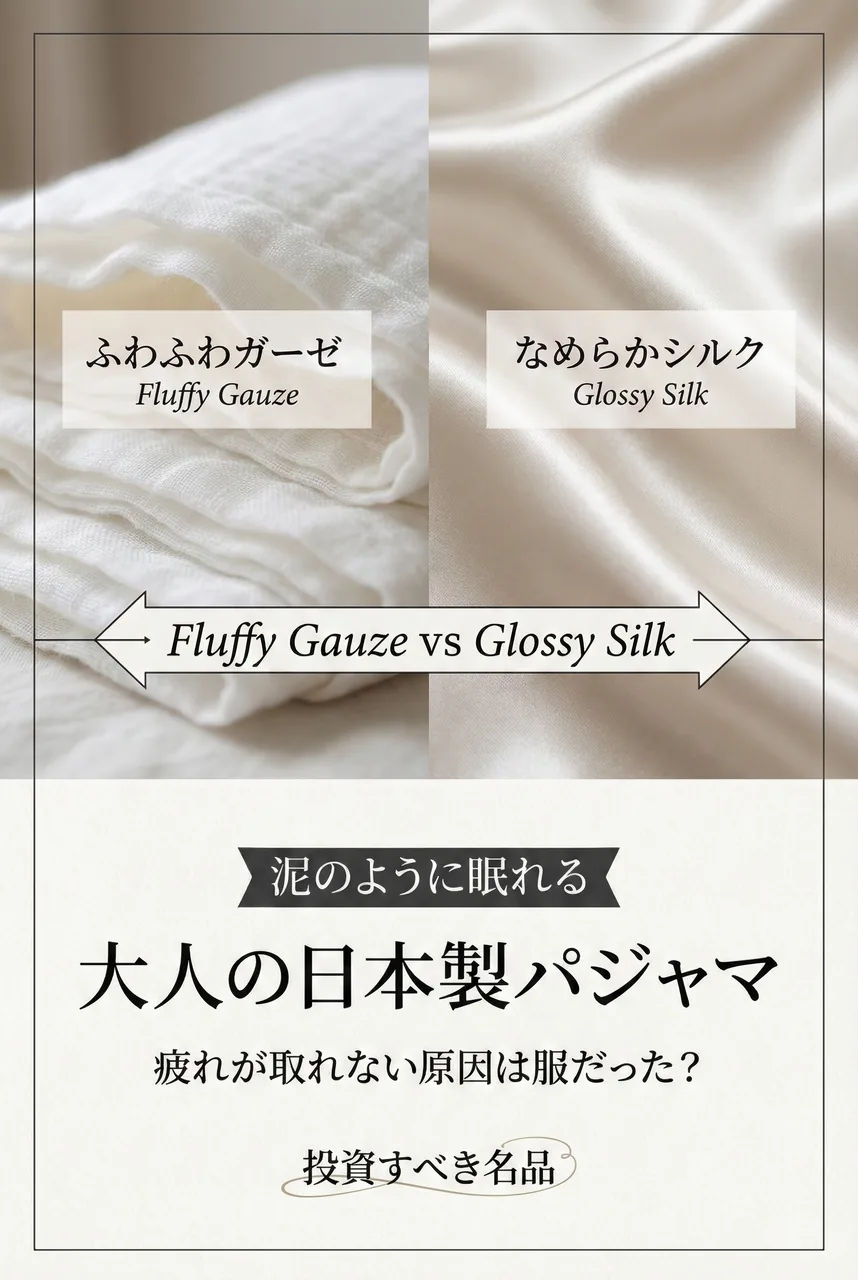
Two materials define the category.
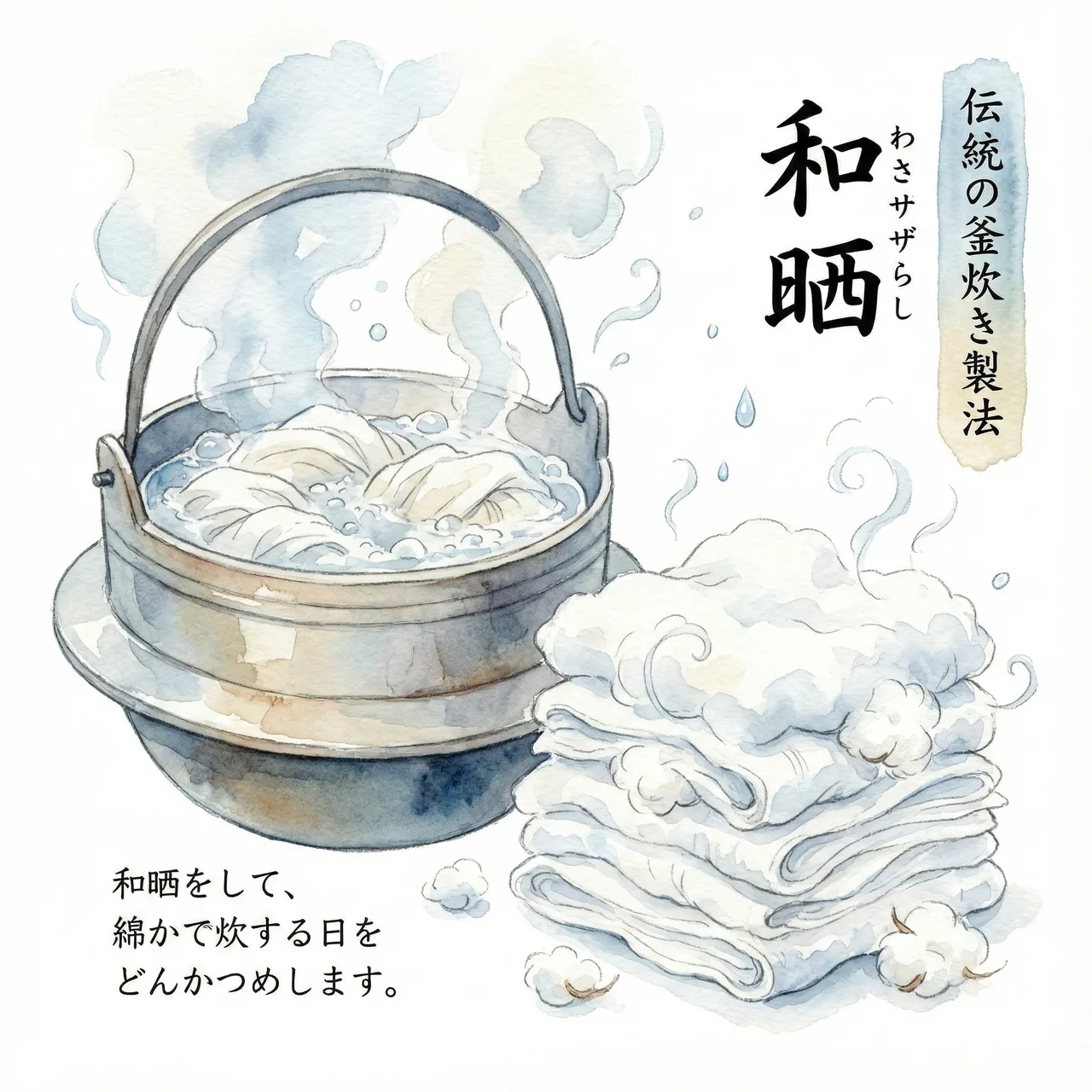
① Wazarashi gauze — simmered for four days
Standard cotton is bleached in about 40 minutes. The traditional Japanese method called wazarashi (和晒) simmers the cotton in a vat for four days, slowly removing impurities without compressing the fibers.
The result is cotton that stays plump and lofty — and unlike ordinary gauze, it gets softer with every wash, trapping more air each time.
The sensation of wearing wazarashi gauze is commonly described as "wearing air."
② Silk — called "the second skin"
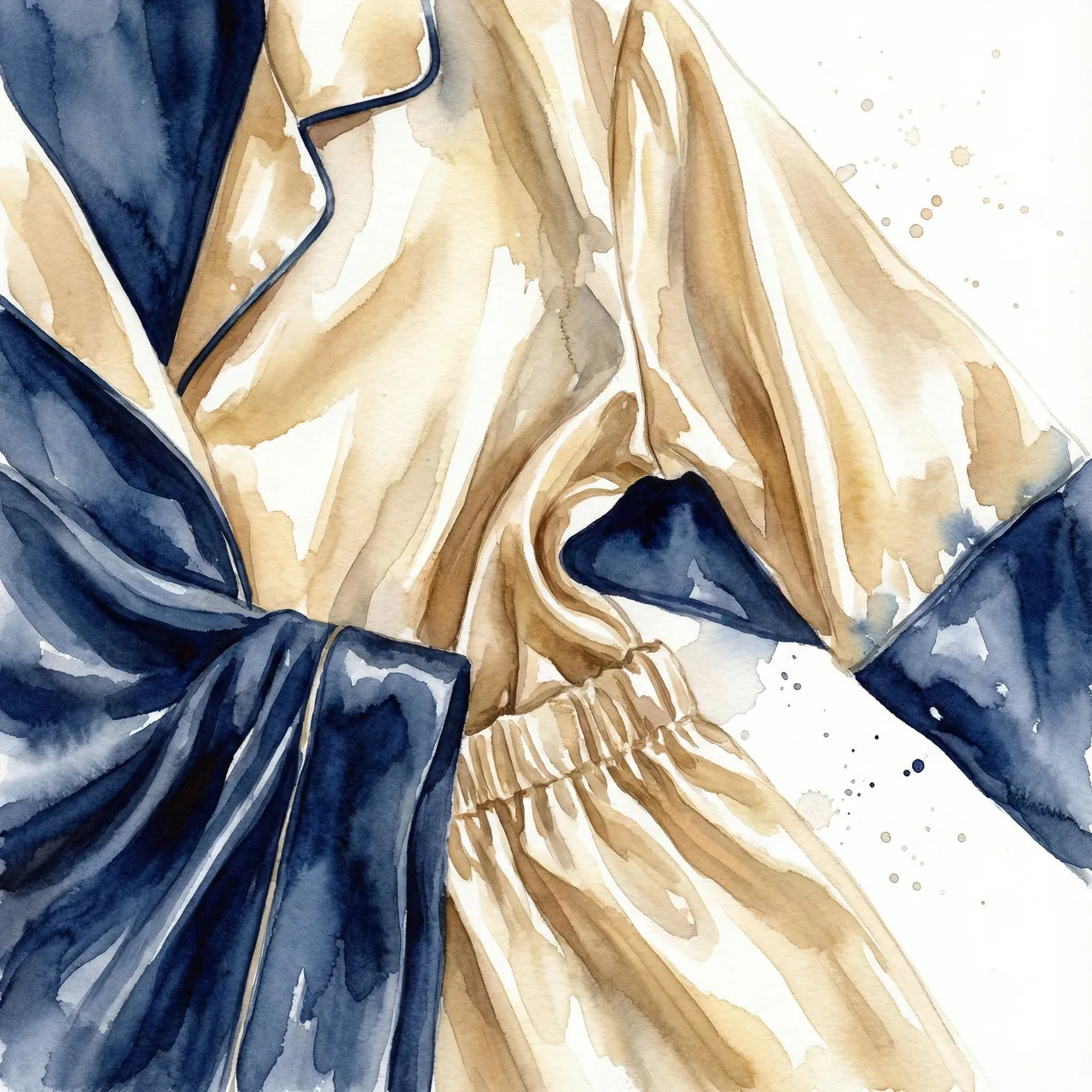
Silk is composed of proteins very similar to those in human skin.
It retains moisture so the skin never dries out, creates almost zero friction against the body, and functions as a natural thermostat: warm in winter and cool in summer.
For those with sensitive skin, or anyone who wants to invest in sleep quality, there is nothing better.
2. 7 Japanese Pajama Brands Worth the Investment
You wear pajamas every single night. No compromises.
These Japanese brands pursue both fabric quality and freedom of movement.
[No.1] Kyo Wazarashi Mensha — The Pinnacle of Gauze, Kyoto
The legendary pajama from Daito Shingu, Kyoto's sleep craftsman.
Made from wazarashi-processed gauze layered two or three times, this pajama has one defining feature: it gets softer and more pleasant with every single wash — a garment you "raise" over time.
Moisture absorption is exceptional, and there is zero stickiness on the back when you wake up. If you are undecided, start here — this is the benchmark.
[No.2] Kaimin Labo — "Cloud Feel" Gauze
The name "cloud feel" is not an exaggeration.
Kaimin Labo uses a specially developed stretch gauze that eliminates any pulling sensation when you roll over during sleep — the fabric moves with your body rather than against it.
Seam positions are research-backed to minimize skin contact. The balance of price and quality is excellent, and the repeat-purchase rate among customers is among the highest of any Japanese pajama brand.
[No.3] Foo Tokyo — Ultimate Silk
A luxury lifestyle brand favored by Japanese celebrities. The ultimate gift.
Foo Tokyo's theme is "making home time luxurious." Their pajamas use 100% premium raw silk with a molten feel and a luster that resembles polished stone.
At several hundred dollars per piece, they are an investment — but as a wedding gift or a serious personal indulgence, nothing in this category surpasses them.
[No.4] GUNZE KAIMIN NAVI — Sleep Science Applied
Japan's top innerwear maker brings lab-grade engineering to pajamas.
Developed under the supervision of a medical doctor, KAIMIN NAVI is designed around the physiology of human sleep. Patented "rolling-over construction" and fully seamless models eliminate all pressure points.
The design is minimal, but for anyone who prioritizes function and value, this is the most rigorously engineered option on the list.
[No.5] TENERITA — Certified Organic Cotton, Imabari
Japan's first brand to earn international organic cotton certification — born from Imabari towel heritage.
TENERITA uses premium terry and smooth organic cotton that feels perfect on bare skin straight out of the bath.
The gift packaging is beautiful enough to present without additional wrapping, making this the most popular choice for gifts to women.
[No.6] Matsunamiki — Additive-Free Gauze
A lifesaver for sensitive skin and eczema sufferers.
Founded in 1885, Matsunamiki produces "additive-free gauze" (Nuddy Cotton) using a patented process that involves zero chemical agents — not even in the buttons or thread.
There is no prickling sensation anywhere. Many customers describe it as "the only pajama I can wear," and they mean it.
[No.7] Wacoal / Suimin Kagaku — The Trusted Everyday Choice
Decades of sleep research from Japan's premier intimates brand.
Wacoal's Suimin Kagaku (Sleep Science) line brings the same body-contour expertise that defines their underwear range to sleepwear — three-dimensional patterning that follows the natural shape of a sleeping body.
Seasonal material rotations and wide availability in department stores for easy in-person fitting make this the safest recommendation when you are buying for someone else.
3. Care Instructions: Even Silk Can Be Machine Washed
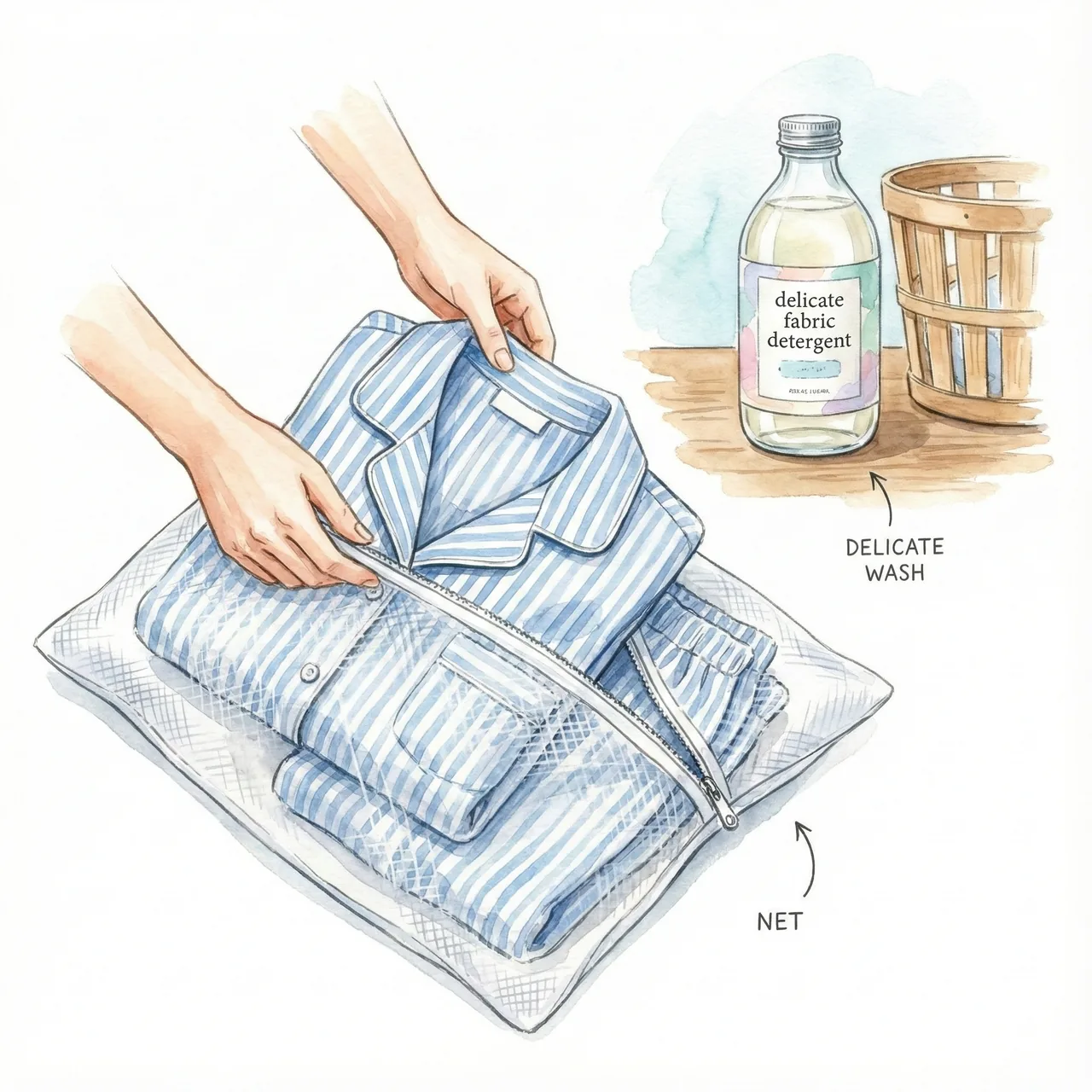
Always use a mesh laundry bag
Both gauze and silk are vulnerable to friction.
A button or zipper from another item in the wash can cause permanent damage in a single cycle.
The washing rules:
1. Turn the pajama inside-out, fold it, and place it in a fine-mesh laundry bag.
2. Use a delicate-cycle detergent (neutral, gentle formula).
3. Never use a tumble dryer (it will shrink the fabric). Air-dry in the shade.
Follow these steps and the fabric will stay soft and lofty many times longer than without them.
You might also like:
Great pajamas paired with cold feet is a frustrating combination. After your bath, try these:
▶ Japanese Socks: 10 Pairs That Don't Slip, Smell, or Wear Out
4. Final Thoughts: Invest in a Third of Your Life
A human life of 80 years includes roughly 25 years in bed.
We spend money on clothes for the hours we are awake and give almost no thought to what we wear for the hours we sleep — which does not quite add up.
A quality Japanese pajama costs $80–$200.
That sounds like a lot, but divided across 365 nights a year, it comes out to less than a dollar per night for genuinely better sleep.
Tonight, switch into a proper pajama and let it signal to your body that it is time to rest. It is the simplest sleep improvement you can make.