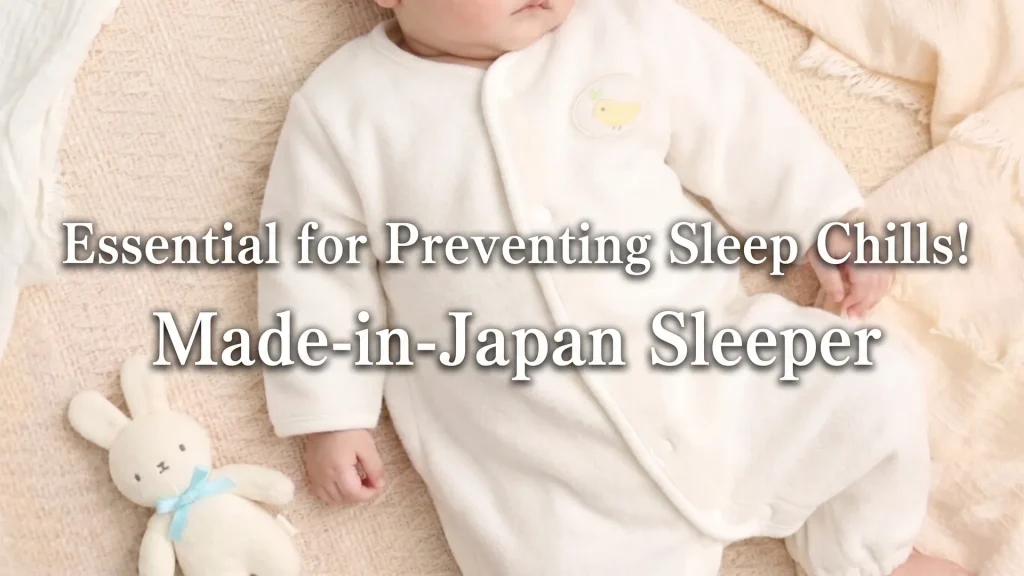
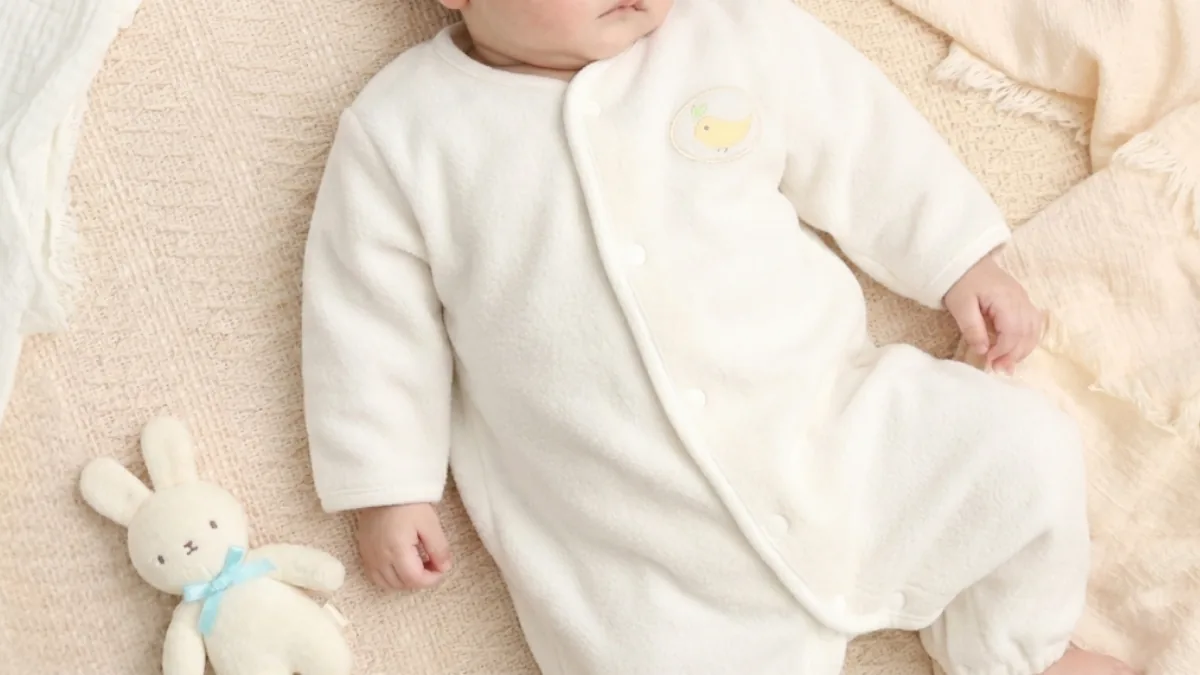
You wake up at 2 a.m., check the baby monitor, and there it is — the blanket kicked to one side, the baby sleeping uncovered.
Every parent knows this moment. And no matter how many times you tuck the blanket back in, the same thing happens an hour later. The solution is a sleeper (wearable blanket) — and once you use one, you'll wonder how you managed without it.
A sleeper is worn over pajamas, so it stays on the baby regardless of how much they move. Pick the right fabric for the season, and it handles spring, summer, autumn, and winter without needing a separate blanket at all.
This guide covers how to choose the right material by season and highlights four Japanese sleeper brands known for quality construction and fabric that improves with every wash.
Quick Reference: Sleeper Fabrics at a Glance
| Fabric | Season | Characteristics | Care |
|---|---|---|---|
| Gauze (6-layer) | Spring–Summer | Breathable and absorbent; gets softer with every wash | Machine wash (gentle cycle) |
| Fleece | Autumn–Winter | Lightweight with strong insulation; quick-drying | Machine wash |
| Wool Blend | Winter | Natural warmth; excellent humidity regulation | Hand wash recommended |
| Cotton Knit | Year-round | Gentle on skin with natural stretch; all-season versatility | Machine wash (laundry bag) |
Why Japanese-Made Sleepers Are Worth the Premium
Safety Where It Matters: Against the Skin
A sleeper sits against the neck and arms all night. That makes skin comfort non-negotiable. Japanese-made sleepers address this at the construction level: soft cotton piping along every seam so nothing rough touches skin, and zipper guards that keep metal away from the baby's body. These are small details that separate a sleeper used happily for three years from one that gets retired after two weeks.
Durability That Improves, Not Degrades
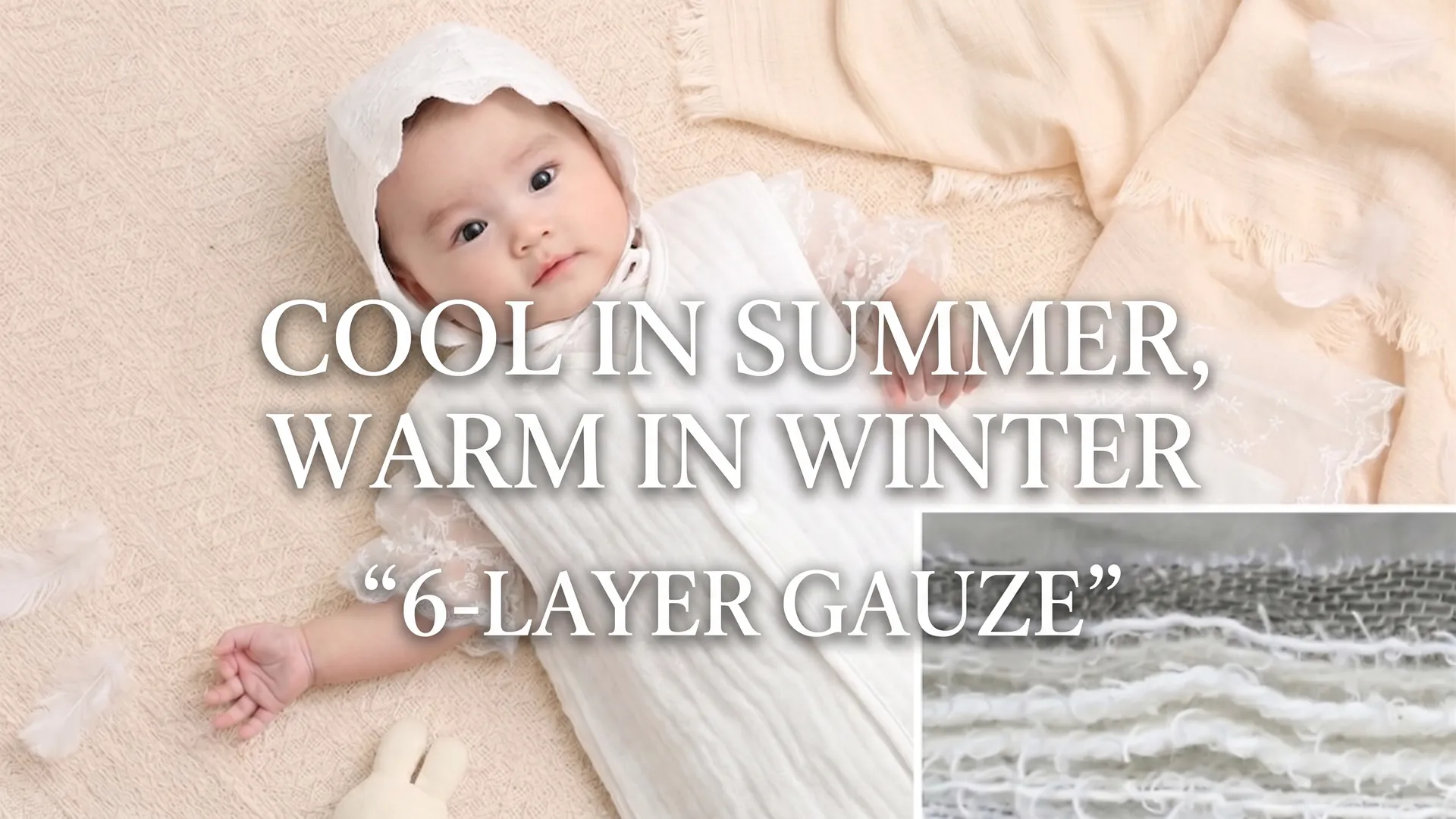
Sleepers take more washing than almost any other baby item — sleep sweat, spit-up, and daily use mean the washing machine runs on them constantly. Japanese multi-layer gauze (6-layer in particular) is built for exactly this: each wash makes the fabric fuller and softer rather than thinner and pilled. The "washed-out" problem common with cheaper alternatives doesn't happen here, and most families use the same sleeper from newborn through age three without it showing meaningful wear.
A Safer Sleep Environment
Heavy blankets can shift over a baby's face during sleep — a risk that pediatric sleep guidelines take seriously. Because a sleeper is worn rather than draped, it can't migrate over the face regardless of how much the baby moves. Many parents choose sleepers specifically as part of a safer sleep setup, alongside back-sleeping and a clear crib environment.
Choosing by Season: Gauze, Fleece, and More
Spring, Autumn & Winter (Three Seasons): 6-Layer Gauze
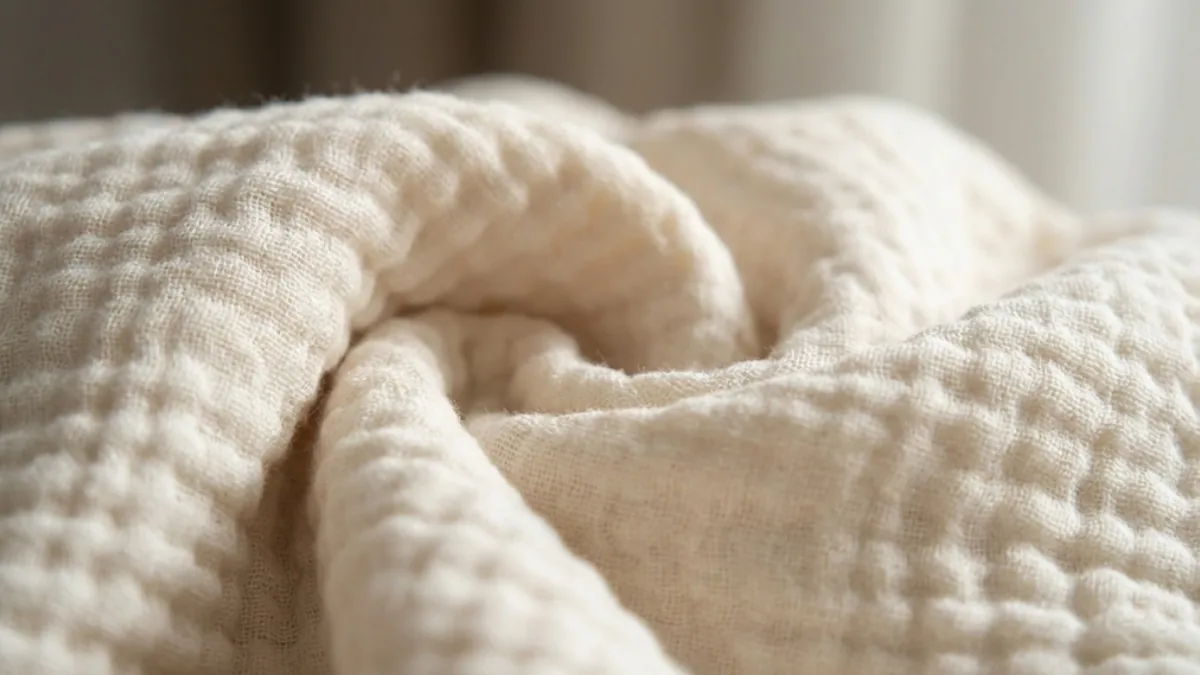
The most popular and versatile option is the 6-layer gauze sleeper. The air pockets built into the weave insulate in cool weather and wick sweat in warmer temperatures — one fabric that handles the range from a cool autumn night to a heated winter bedroom without overheating the baby.
"If you're not sure what to buy, start here" is standard advice from Japanese parents. Outside of peak summer, a 6-layer gauze sleeper covers almost every situation. It's also the most popular choice for birth gifts, precisely because it's so widely useful.
Midwinter: Cotton Fleece or Wool Blend
For colder climates or rooms that lose heat quickly at night, a heavier cotton fleece or wool-blend sleeper provides the insulation that gauze can't.
The material matters: look for cotton-based rather than 100% polyester. Cotton doesn't generate static electricity, and it handles sleep sweat without trapping heat the way synthetic fabrics can — which means the baby is less likely to overheat and wake up in the middle of the night.
Midsummer: Double Gauze or Mesh-Back
For air-conditioned summer nights, the priority shifts to sweat management. Double-layer gauze, terry cloth, or mesh-back hybrid designs cover the stomach while letting heat escape through the back — the area where babies sweat most. This combination keeps the baby cool enough to stay asleep without the shivers of an over-air-conditioned room.
4 Japanese Sleeper Brands Worth Buying
From the brands featured on Made in JAPAN.JP, here are four domestic labels consistently recommended by Japanese parents for sleeper quality, construction, and longevity.
Akachan no Shiro (Baby's Castle)
The standard for 6-layer gauze sleepers — quality that holds through years of washing.
Akachan no Shiro's sleeper line is built around premium 6-layer gauze that noticeably softens and fluffs with repeated washing. Classic patterns — elephant motifs, tricolor stripes — work for any gender and don't look dated as the baby grows into a toddler.
Most models include snap buttons at the crotch to prevent the sleeper from riding up during sleep — a practical detail that matters more than it sounds. Production is handled in their own factory with strict quality controls, which shows in the durability over time.
Best for: Parents who want a classic, long-lasting 6-layer gauze sleeper, or anyone choosing a birth gift they're confident will be used and appreciated.
BabyGoose
Mesh-back ventilation for sweaty sleepers — and name embroidery for gift-worthy presentation.
BabyGoose's best-selling "2-Way Comfortable Sleeper" solves a problem most sleepers ignore: the back panel is made from mesh, not gauze, so heat escapes from the area where babies sweat most. Even in summer or a slightly overheated room, the baby stays dry rather than waking up damp.
For colder months, their fleece "Warm Comfortable Sleeper" applies the same logic with season-appropriate insulation. Name embroidery across the back is available and makes these among the most popular personalized birth gifts on the site — functional and genuinely special.
Best for: Babies who run warm or sweat heavily at night, or parents who want a birth gift with personalization built in.
COFUCU
GOTS-certified organic cotton — knit and pile sleepers with a genuinely natural feel.
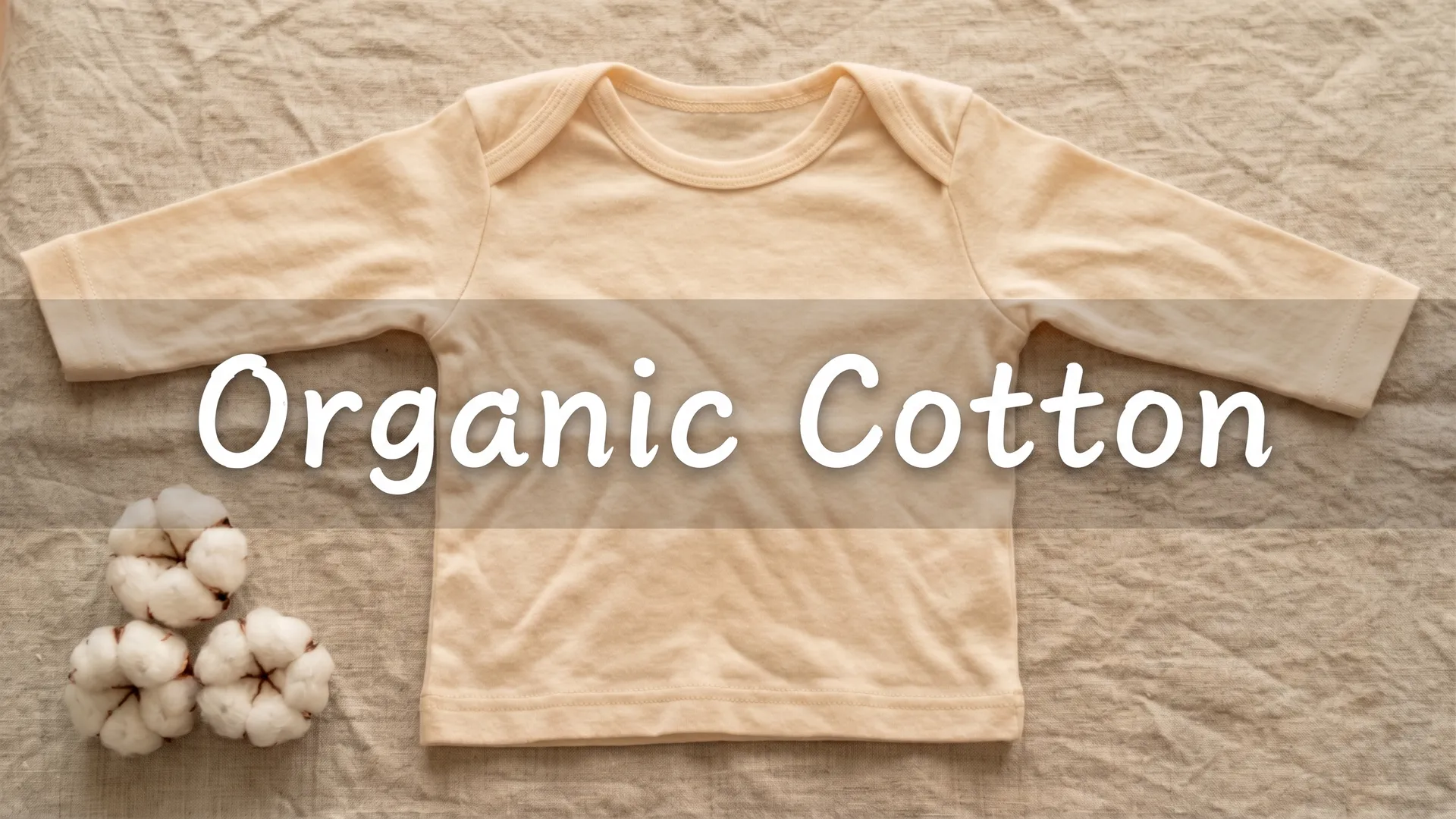
COFUCU uses 100% GOTS-certified organic cotton across their sleeper range. The pile and knit fabrics have a warm, textural quality that synthetic alternatives can't replicate — soft without being slippery, substantial without being heavy.
The natural colorways (undyed, brown cotton) work with any pajama pattern and don't clash with nursery aesthetics. No static electricity, no synthetic finish — just cotton in a form that's genuinely comfortable against a baby's skin from day one.
Best for: Parents who avoid synthetic fabrics or are sensitive to static, and anyone who prefers an understated, organic aesthetic.
PUPO
Simple, durable, and priced for buying two or three — Japanese quality without the premium markup.
PUPO makes sleepers with no unnecessary decoration — just well-made fabric from their own factory, good skin feel, and construction that holds up to frequent machine washing. Everything is produced in-house, which shows in the consistency.
The pricing is accessible enough to buy multiples without second-guessing, which matters when you're stocking daycare bags or keeping a rotation going through the week. If your priority is reliable Japanese quality in a sleeper you'll use every day rather than save for special occasions, PUPO is the practical answer.
Best for: Parents who want simple, unfussy design and plan to buy two or three sleepers at once for daily rotation.
Column: How Long Can a Baby Use a Sleeper?
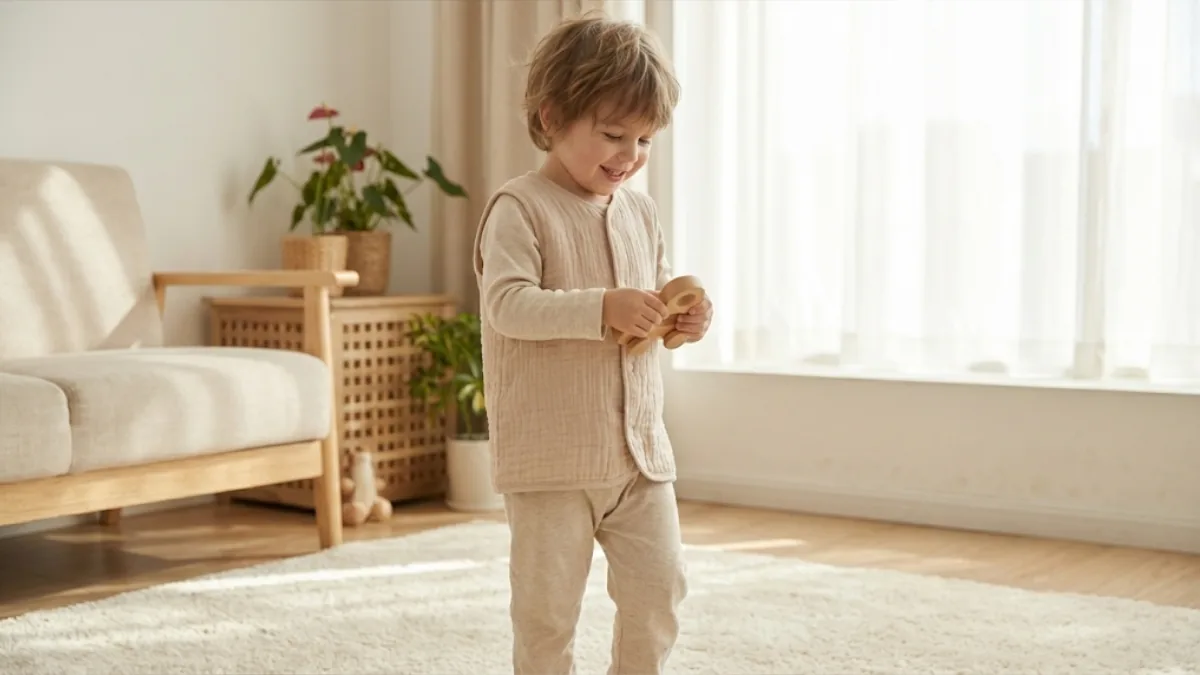
One of the strongest arguments for investing in a good sleeper is that babies don't outgrow them quickly. Most baby-size sleepers are designed to fit from newborn through around age three.
In the early months, it wraps the baby completely — more like a swaddle than a garment. As the baby starts walking, the same sleeper becomes a knee-length vest, still fully functional, just worn differently. The item adapts to the child rather than the child outgrowing the item.
After age three, many families move to a kids' size — and some even buy matching ones for siblings. The sleeper that started as a newborn essential ends up being one of the longer-lived items in the whole baby wardrobe.
Frequently Asked Questions
When should I start using a sleeper?
Most sleepers can be used from newborn, and some double as a swaddle in the early weeks when that's still the preferred wrapping style.
Sleepers become especially useful once babies start kicking off blankets — typically around 3 to 4 months.
Won't the baby overheat in a sleeper?
Fabric choice is everything here. A 6-layer gauze sleeper is designed to breathe — it's not like wrapping the baby in insulation. For summer, choose double gauze or a mesh-back model; for winter, a fleece or heavier gauze works well.
Check the back of the neck periodically — that's where overheating shows first. Adjust the room temperature or swap fabrics if needed.
Is a sleeper a good birth gift?
One of the best. Many parents list it as the item they wished they'd had from day one. It's practical, used daily, and non-consumable — something that keeps giving for years rather than running out.
BabyGoose's name-embroidered sleepers are particularly popular as personalized birth gifts.
Front-opening or side-opening — which is easier to use?
Front snap buttons work best for newborns and young babies who need to be changed lying flat — the fastening is straightforward and doesn't require lifting.
Once the baby is sitting and moving independently, side zippers become more convenient for quick on-and-off.
How many sleepers should I have?
Two as a minimum — one on the baby and one clean and ready. Sleep sweat and spit-up mean the on-body one needs washing regularly.
Two to three per season is the comfortable baseline for most families. Having a spare eliminates the "it's still wet from the wash" problem at 11 p.m.
Does a sleeper help prevent SIDS?
Using a sleeper instead of a heavy blanket reduces the risk of the blanket covering the baby's face during sleep — one specific risk factor that safer sleep guidelines address.
However, SIDS prevention involves multiple factors: back-sleeping position, a smoke-free environment, and breastfeeding, among others. A sleeper is one part of a safer sleep environment, not a standalone solution.
A sleeper doesn't just protect the baby from getting cold at night — it lets parents actually sleep, instead of waking every hour to check whether the blanket is still on.
A well-made Japanese sleeper in the right fabric for the season is one of the quietest upgrades in baby sleep setup. Get two. Use them until they fall apart — which, with Japanese construction, takes considerably longer than you'd expect.
6-Layer Gauze for Babies: Why It Works in All Seasons
Japanese Organic Cotton Baby Clothes: What to Look For