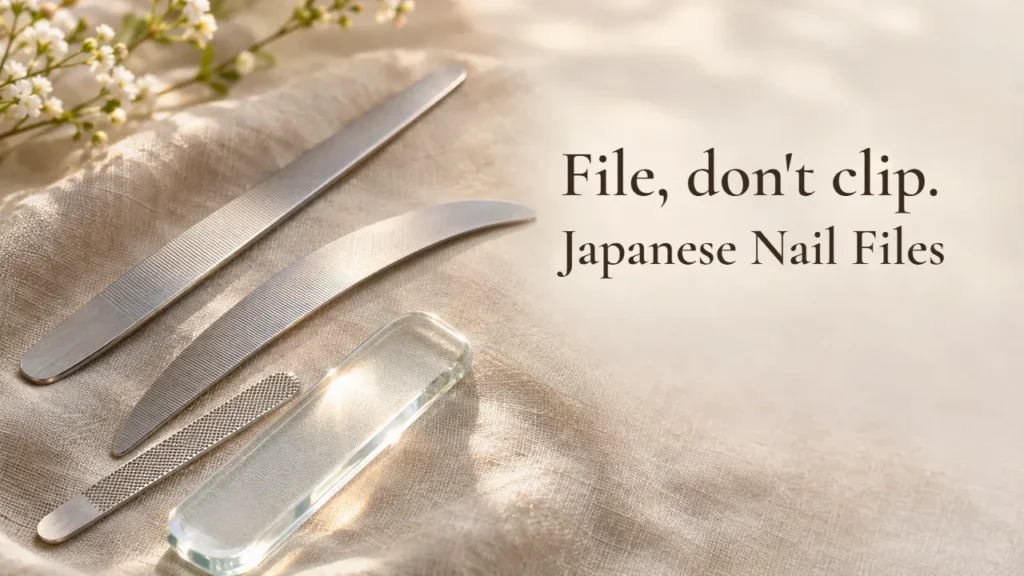
Do you think of nails as something you clip? If yours split or peel in layers, filing them is often said to be the gentler choice.
A clipper pinches the nail between two blades, and that pressure is said to leave tiny cracks along the cut edge. A file shapes the nail a little at a time, without that squeeze. What decides how a metal file feels is the pattern of teeth cut into its surface, and in Tsubame-Sanjo, Niigata, Japan's metalworking town, craftsmen still cut those teeth into each file by hand.
This guide covers Yoshida Yasuri, whose teeth are struck in three passes on both faces, the curved Karasawa Yasuri file, SUWADA and Green Bell from the nail clipper makers, Seki EDGE, and a glass buffer for shine. Four of them can be bought from outside Japan. At the end: how to file without fraying the tip.
Quick Reference: Japanese Nail Files at a Glance
| Nail file | What stands out | Best for | Where to buy |
|---|---|---|---|
| Shaping (steel) | |||
| Yoshida Yasuri Nail File ▾ | Teeth struck in three passes, both faces | The smoothest hand-cut file | Gessato (ships worldwide) |
| Green Bell Two-Way G-1037 ▾ | Three-pass hard side plus a soft side | A first steel file, at a low price | Amazon.com |
| Seki EDGE SS-402 / SS-401 ▾ | File with a cuticle pusher; long toenail file | Fingers and toes | Amazon.com |
| Matsumoto Kanagata Magic Nail File ▾ | Pen-shaped, keeps the dust inside | Filing without the mess | Amazon.com |
| Karasawa Yasuri Shiny ▾ | Curved to follow the nail | Beginners | Sold in Japan |
| SUWADA Nail File L ▾ | Three-pass teeth, 150 mm | Finishing after a SUWADA clipper | Sold in Japan |
| Shine (glass) | |||
| Tsumepikaru Glass Buffer ▾ | A light rub brings out a gloss | Bare nails that look polished | Sold in Japan |
Tap a name to jump to its review.
1. Why Japanese: Teeth Cut by Hand in Tsubame-Sanjo
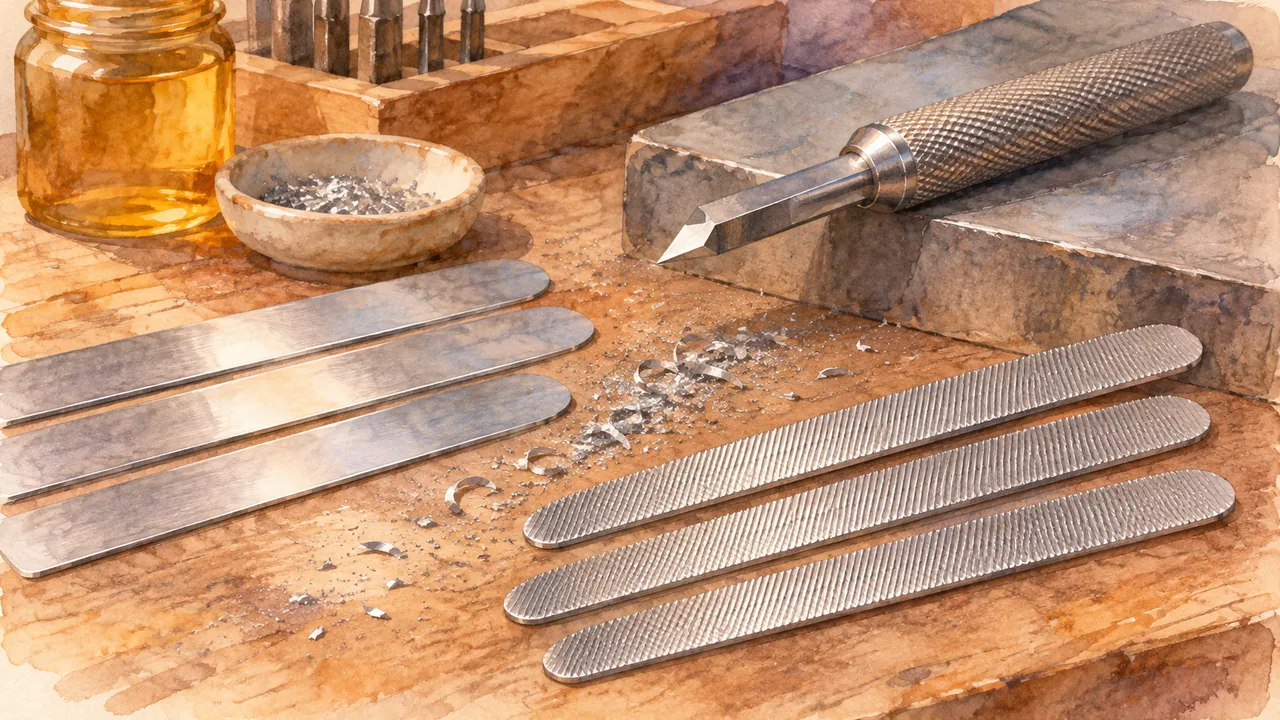
Tsubame and Sanjo, two neighboring towns in Niigata, have made metal goods since the Edo period, starting with hand-forged nails. Cutlery, tableware and tools followed. Nail files are a small part of that story, and a telling one: Yoshida Yasuri, founded in Tsubame in 1967, is one of only three companies in Japan that make stainless steel nail files, and each file is made by hand, according to JETRO's profile of the company.
The difference you feel is in the teeth. A cheap metal file has a stamped or etched surface. A Tsubame-Sanjo file has teeth struck into the steel with a chisel, at an even spacing and depth, by someone who checks them by eye, ear and fingertip. That is why these files are said to shape a nail smoothly instead of tearing at it.
2. Filing vs. Clipping, Steel vs. Glass
File instead of clip
Clipping is said to put enough force on the nail to leave tiny cracks along the cut, which can lead to splits and peeling layers. A file shortens the nail without that pressure, which is why people with brittle nails often switch to one. It also works as the finishing step after clipping, to round off the corners.
Steel is cut, glass is polished
A steel file has teeth cut into a stainless strip. Cutting them is called metate, "setting the teeth," and their direction, depth and spacing change how fast and how smoothly the file works.
Glass files and buffers work through the fine texture of the glass surface. In this guide the glass piece is a buffer for shine. A simple way to choose: steel to shape, glass to shine.
3. The File Makers: Yoshida Yasuri and Karasawa Yasuri
Three passes, on both faces
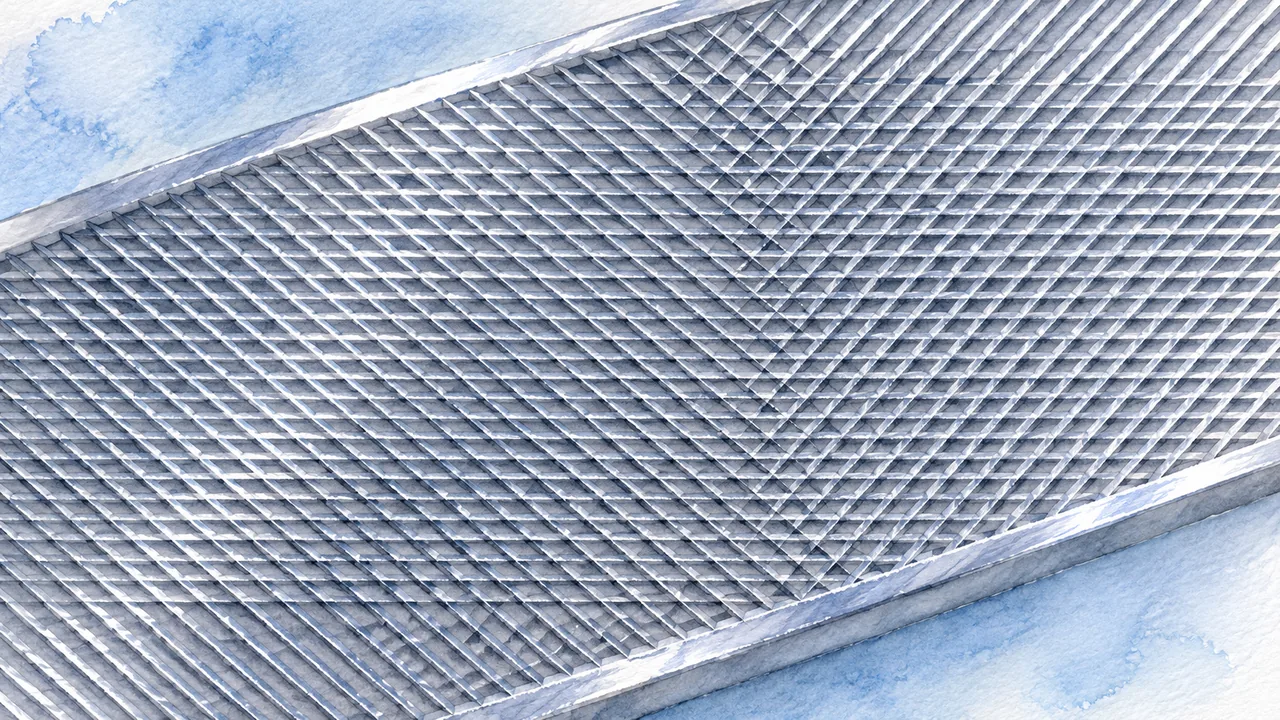
Yoshida Yasuri starts with a stainless strip about 1 mm thick and strikes the teeth into it with a steel chisel called a tagane. The teeth go in at three angles: diagonally one way, diagonally the other, then straight across. That is done on both faces, six passes in all.
The chisel wears with every strike, so it is re-sharpened and adjusted as the work goes on. If it isn't sharpened perfectly flat, or the machine's force drifts, the teeth come out uneven, so the craftsman works by eye, by ear, by the vibration of the machine and by the feel of the finished teeth. Where the three rows cross, they form tiny points that catch the fine fibers of the nail, so the nail glides along the face and is shaped without strain.
Yoshida Yasuri Nail File: three-pass teeth from a 120-year file maker
Each file is cut one at a time on a toothing machine, by a maker that bills itself as having made files for 120 years. The teeth are evenly spaced and struck to the same depth, work the maker says only a skilled craftsman can do. The steel is SUS410 stainless, so it stands up to rust and can be rinsed under water.
It comes in two shapes: the classic pointed tip (150 mm), handy for tidying cuticles too, and a rounded tip (140 mm) made so children and older people can use it safely. JETRO's listing shows a matte silver and a matte black version.
See Yoshida Yasuri at Gessato (ships from New York, worldwide shipping) ›
Karasawa Yasuri Shiny: curved to follow the nail
Karasawa Yasuri, in Tsubame, puts a curve into the file itself so it follows the arc of a nail. Each one is made by experienced craftsmen. The steel is a rust-resistant high-carbon stainless (SUS420J2); one of the maker's staff kept a file on their desk for nearly ten years and says it still cuts the same and hasn't rusted.
Shiny is the slightly finer-toothed, 1 cm longer version of the standard model. Care is just brushing off the dust. It suits people who work with their fingertips, play instruments, or find clippers hard to use. Sold in Japan.
4. From the Nail Clipper Makers: Green Bell, Seki EDGE and SUWADA
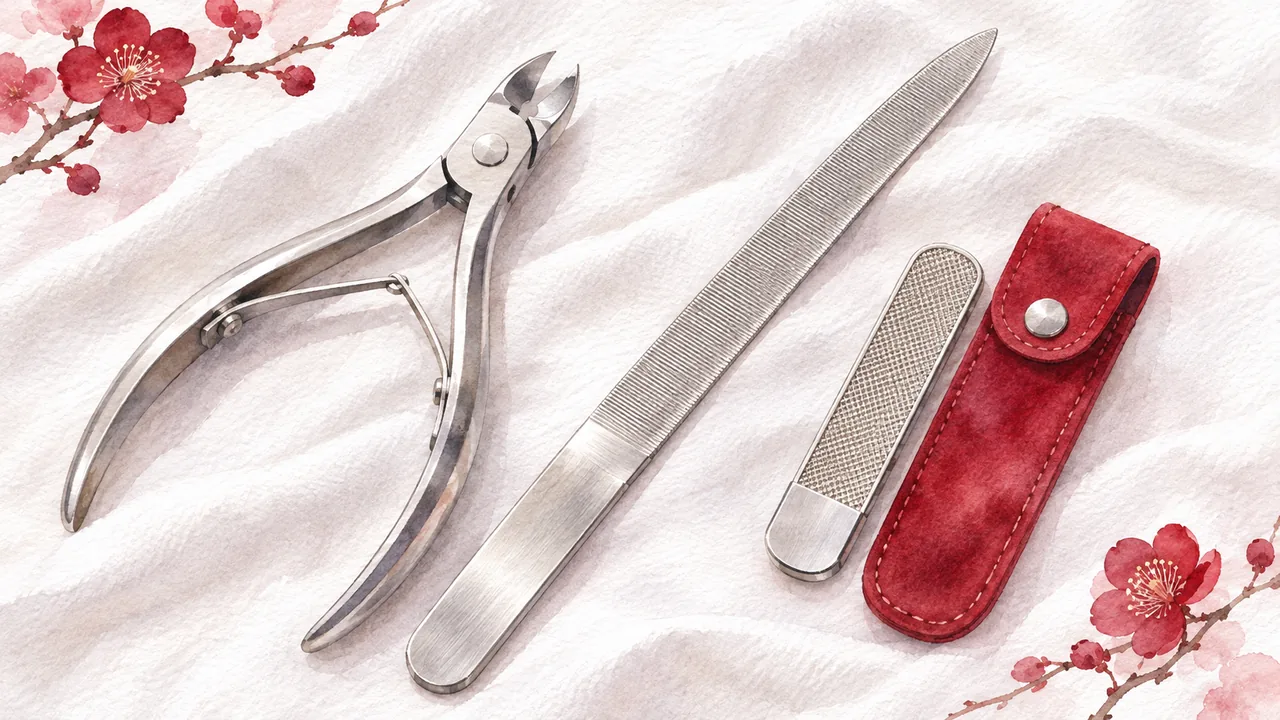
The makers in our guide to Japanese nail clippers also make files. Pairing a file with a clipper from the same maker is an easy way to choose.
Green Bell Takumi no Waza Two-Way Nail File G-1037: hard side and soft side
A stainless file from Green Bell's Takumi no Waza ("craftsman's skill") line, with two faces. The hard side is finished with three-pass teeth, the same idea as the Tsubame-Sanjo files above; the soft side is etched and finer, for smoothing the edge afterward. Rust-resistant stainless throughout.
It costs a fraction of the hand-cut files, which makes it a sensible first steel file. In Japan, Green Bell also makes a flexible mesh file (G-1043) whose holes let you see the nail as you file; that one is sold in Japan.
Green Bell Takumi no Waza Two-Way Stainless Nail File G-1037
Loading product details…
Seki EDGE Nail File with Pusher SS-402: a file and a cuticle pusher in one
Seki EDGE is a Green Bell line, and Green Bell has its factory in Seki, Gifu, the historic sword-making town. The SS-402 is a stainless file with a pusher at the other end for easing back cuticles, so one tool covers the whole tidy-up.
Seki EDGE Nail File with Pusher SS-402
Loading product details…
Seki EDGE Long Toenail File SS-401: reach without bending
A stainless file on a long handle, made for toenails. The length means less bending, which helps if reaching your feet is hard.
Seki EDGE Long Toenail File SS-401
Loading product details…
Matsumoto Kanagata Magic Nail File: a pen that keeps the dust inside
Made by Matsumoto Kanagata, a Japanese maker of plastic molds, the Mahou no Tsumekezuri ("magic nail shaver") looks like a fat pen. A stainless blade inside shaves the nail down, and the shavings collect inside the body instead of scattering. The body comes apart for washing.
Reviewers in Japan note that it is quiet and that the blade is safe to touch with a finger: good for filing at a desk, or for anyone who dislikes the dust a file leaves behind.
Matsumoto Kanagata Magic Nail File (Mahou no Tsumekezuri), Orange
Loading product details…
SUWADA Nail File L 150 mm: the finish after a SUWADA clipper
SUWADA, the Sanjo maker famous for its nipper-style clippers, makes this file for the finishing step. The teeth are cut in three passes by craftsmen for a fine, even feel. It is about 150 mm long with a roughly 70 mm toothed area and a satin finish, and comes in a red or black case.
It makes a good gift alongside a SUWADA clipper. We couldn't find it on Amazon.com; see the maker's site and its list of stockists.
5. For Shine: A Glass Nail Buffer
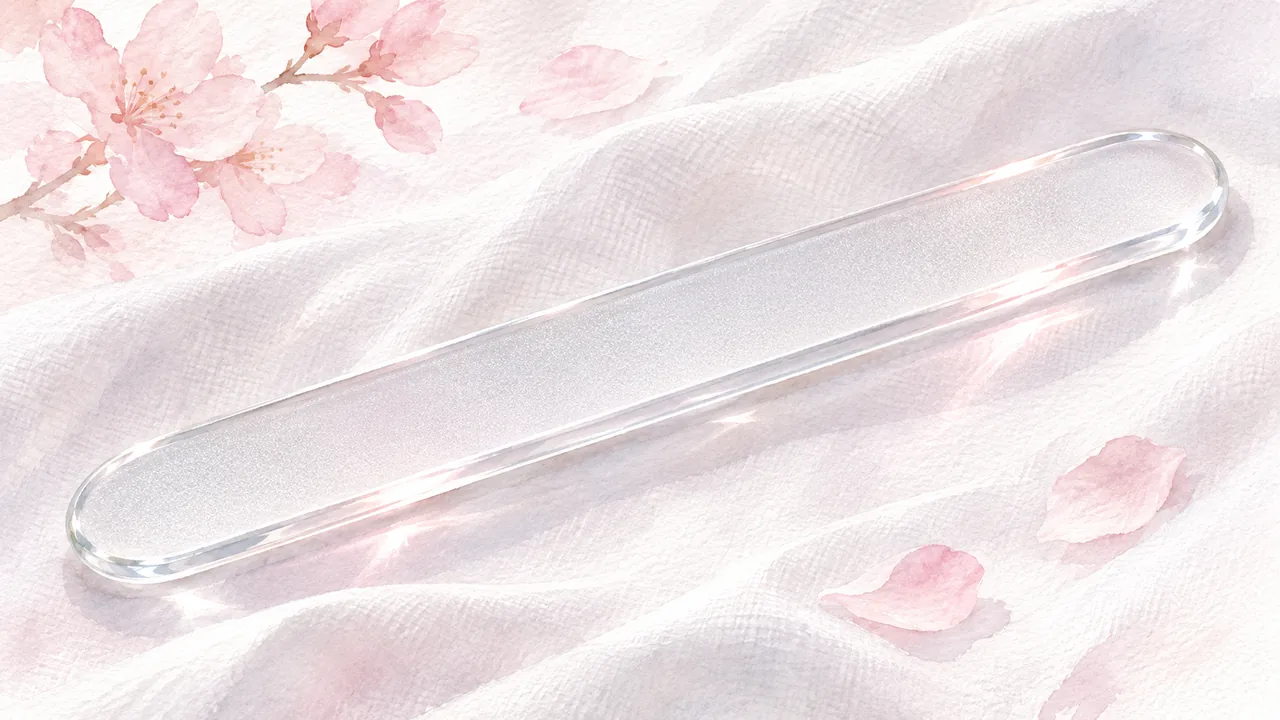
Most glass nail files on Amazon.com are labeled as Czech glass, and we couldn't find a Japanese-made one there. In Japan, the one we recommend is a buffer made for shine.
Tsumepikaru Glass Nail Buffer: gloss from a light rub
Rub it lightly over a bare nail and the surface takes on a gloss. Hold it parallel to the nail and move it in one direction without pressing. It rinses clean under the tap and is small (90 by 13 mm) enough for a pouch.
Shape with steel, finish with glass: together they make unpolished nails look cared for. It is glass, so it can break if dropped, and don't overdo the buffing. Sold in Japan.
6. How to File, and How to Care for the File
One direction, lightly
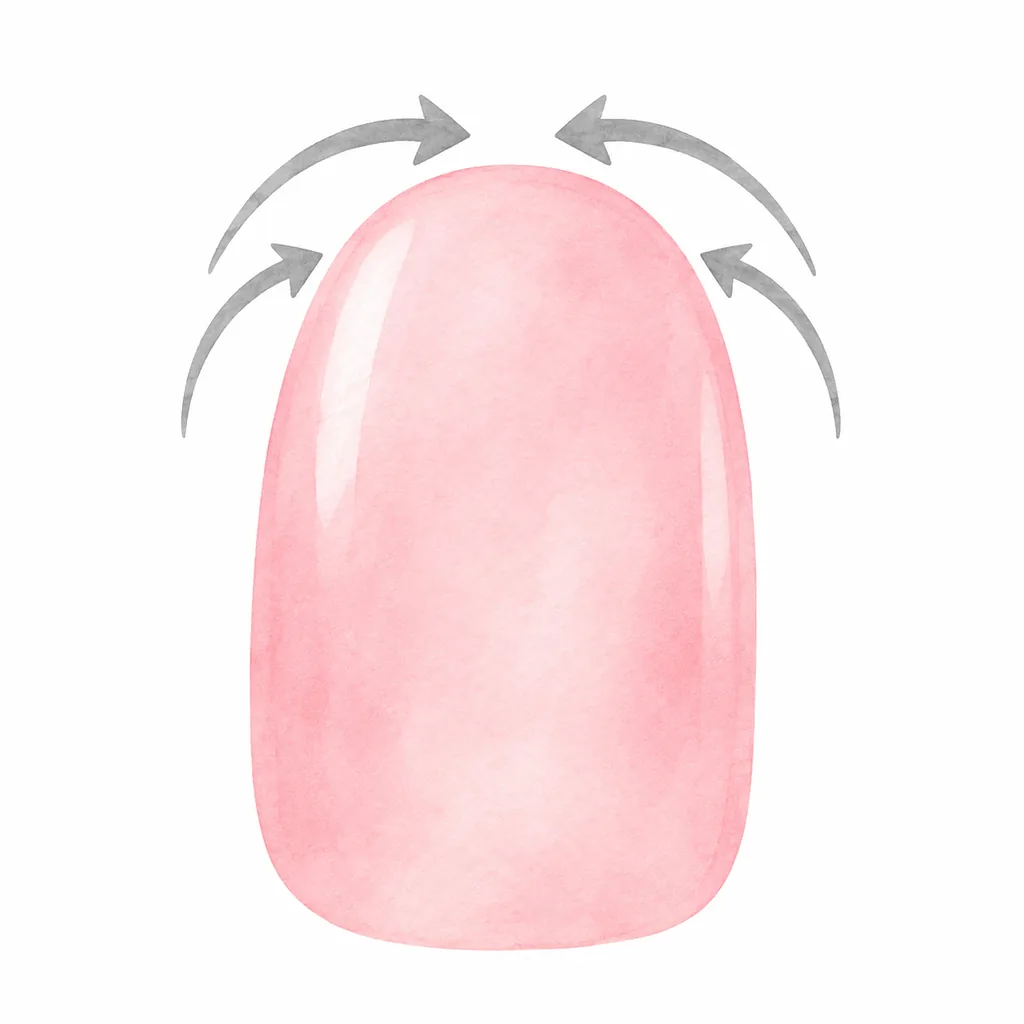
The usual advice is to move the file in one direction, not back and forth. Sawing back and forth is said to fray the tip and lift the layers of the nail.
Hold the file at a slight angle to the nail tip and work from the outside edge toward the center, one side at a time. Don't press; let the file's own weight do the work. Dry nails are said to file more easily than nails fresh from the bath.
Brush off the dust after use
Brush the nail dust off the file when you finish. Stainless files can be rinsed, but dry them well, since water left on the steel can still cause rust. Glass buffers rinse under the tap. Keeping the teeth clear keeps the file cutting well for years.
7. Frequently Asked Questions
Is a nail file better than a nail clipper?
If your nails split or peel, a file is often recommended. Clipping is said to leave tiny cracks along the cut, while a file shapes the nail without that pressure. Many people use both: a clipper to take off length, a file to finish.
Steel or glass?
Steel to shape, glass to shine. A steel file shapes the nail with the teeth cut into its face. A glass buffer brings out a gloss on the nail's surface.
What does "three-pass teeth" mean?
The teeth are cut at three angles: diagonally both ways, then straight across. At Yoshida Yasuri, a steel chisel strikes them into the strip, on both faces, six passes in all. The crossing rows form tiny points that catch the nail's fibers so it files smoothly. SUWADA's file and the hard side of Green Bell's G-1037 use the same three-pass idea.
Can children and older people use these files?
A rounded tip is the safer choice. Yoshida Yasuri makes a rounded version for exactly that reason, and Seki EDGE's long toenail file helps if bending is hard. If nails are thin, file a little at a time.
Will a stainless steel nail file rust?
Stainless resists rust, but water left on it can still cause it. If you rinse the file, dry it well. Most of the time, brushing off the dust is all it needs.
Which makes the best gift?
A hand-cut Yoshida Yasuri or a SUWADA file, where you can see the craftsmanship in the teeth. Add a SUWADA clipper, or a glass buffer, and it becomes a full nail-care set.
8. Final Thoughts: Choose a File by Its Teeth
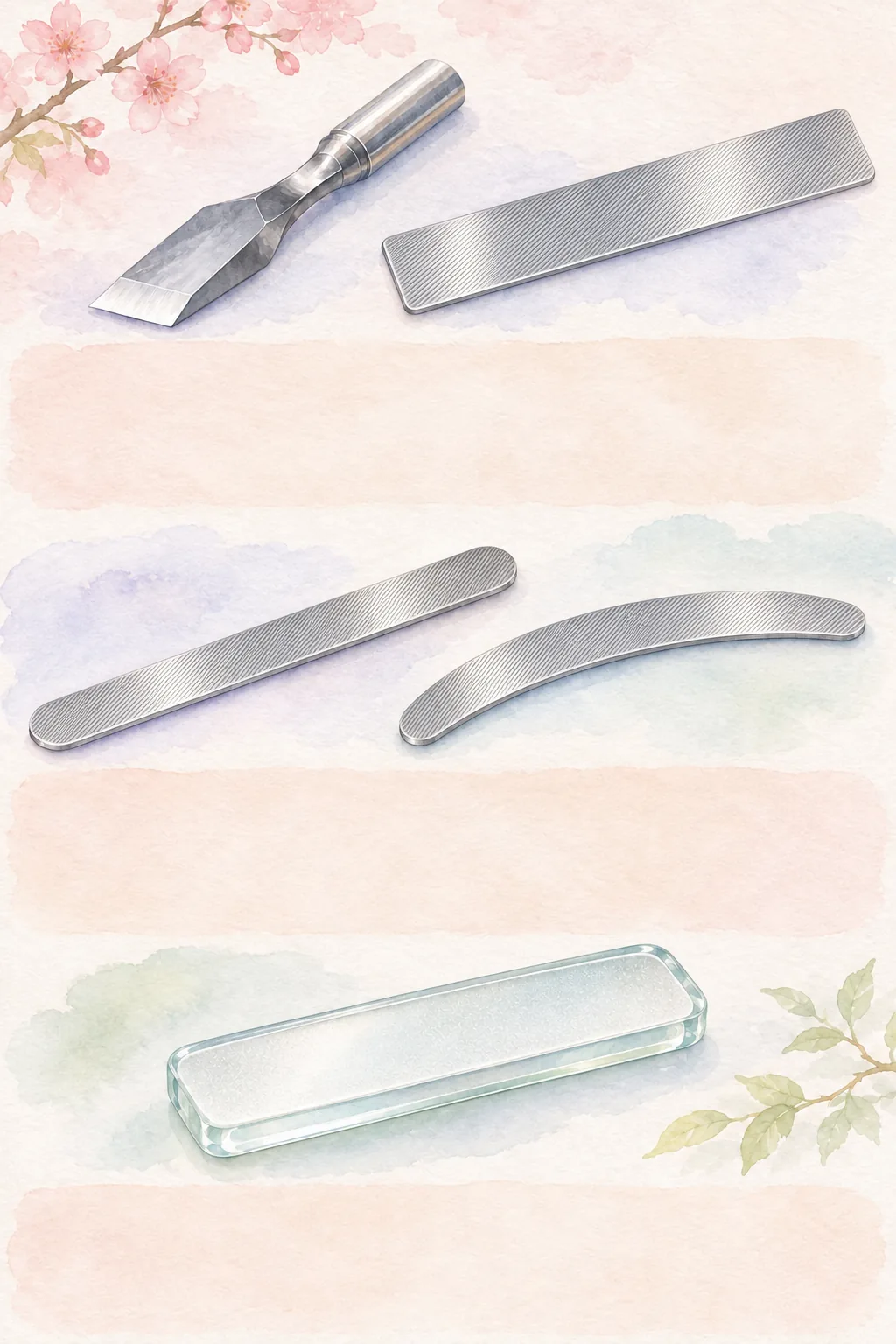
How a nail file feels comes down to the teeth on its face.
Yoshida Yasuri strikes them in three passes on both faces. Karasawa Yasuri curves the file to follow the nail. SUWADA and Green Bell make files to finish what their clippers start, Seki EDGE adds a pusher and a long toenail file, and Matsumoto Kanagata turned a mold maker's skill to a file that keeps the dust inside. A glass buffer adds the shine. All of them were made in Japan, with nails in mind.
For nails that split, try filing instead of clipping.
Best Japanese Nail Clippers: SUWADA, Green Bell & 5 More
Japanese Tweezers: Kurata's Hand-Forged Pairs and 3 to Buy