Kurume City in Fukuoka Prefecture is a holy land for rubber industries where Bridgestone and others originated. Sneakers made here utilize globally rare manufacturing methods.
・Soles that Don't Peel:
After gluing the sneaker body and rubber sole, the "Vulcanized (adding sulfur) Method" places them in a kiln, baking at high temperatures.
Because the rubber undergoes chemical changes and hardens, pressing powerfully against the body, the sole won't peel no matter how much it flexes, preserving a beautiful silhouette.
・Proof of Handiwork:
Because many processes rely on manual labor, production numbers are limited, but its durability and classic pottery-like texture mesmerize shoe lovers worldwide.
Say goodbye to shoe sores. Pairs knowing the Japanese "foot" inside out.
"Western shoes look cool, but they hurt my feet." The cause lies in skeletal differences.
Japanese feet are typically "high instep, wide width." Japanese shoemakers carve "lasts (wooden molds)" fitting this unique foot shape, realizing a clinging-level fit.
Sneakers baked in kilns in Kurume, Fukuoka; robust and sturdy leather shoes from Asakusa, Tokyo; soft pumps from Kobe.
Here, we feature everything from leather shoes you can wear for 10 years extending repairs, to craftsman-spirited sneakers that won't slip even on rainy days.
How to choose Shoes & Footwear
[Asakusa Leather Shoes] "Goodyear Welt" and the Japanese Foot
The Asakusa area in Tokyo has been a leather shoe production hub enduring nearly 150 years.
・"Lasts (Wooden Molds)" for Japanese People:
Overseas brand shoes are often "narrow-width, low-instep," but Japanese brands design lasts tailored to the "wide-width, high-instep" feet of the Japanese. The experience of "heels not lifting" and "toes not hurting" is a moving sensation unique to domestic shoes.
・Repairable Manufacturing Methods:
Japanese leather shoes crafted using the "Goodyear Welt Method," synonymous with luxury shoes, have cork laid tightly in the insole, sinking and transforming into the foot's shape the more they are worn. Even if the sole wears down, replacement repairs (All-Sole) are possible, allowing you to keep wearing them for 10, 20 years depending on maintenance.
[Kobe Nagata] Run-able Pumps and "Chemical Shoes"
The fashion city of Kobe (Nagata Ward) boasts the highest domestic production of ladies' shoes.
・"Ease of Wearing" Birthed by Science:
An area where "chemical shoes (synthetic leather, etc.)," evolving from rubber materials post-war, advanced their technology. While looking like real leather, they are highly water-resistant, surprisingly light, and soft.
"Run-able Pumps" combining highly cushioned insoles continually support the feet of working Japanese women.
[Nara Japanese Footwear] "SETTA" (Snow Sandals) Fitting Jeans
Currently gaining attention as a new trend are items updating traditional Japanese footwear.
・Walking on Clouds:
Setta and Zouri (straw sandals), which Nara Prefecture and others excel at. The latest models adopt the same EVA material or air bags used in sneakers for the midsole.
The thong (hanao) designs have also modernized, and their popularity as "Japanese-modern sandals" to match jeans or shorts is rapidly surging overseas.
Maintenance Encompassing "Raising" Shoes (Q&A)
Q. Is it better not to wear leather shoes on rainy days?
A. Basically, it should be avoided, but Japan has many leather shoes using "water-repellent leather." If they get wet, putting newspaper inside upon returning home to remove moisture, and applying cream after they completely dry presents no problems.
Q. Dirt on the rubber parts of sneakers won't come off.
A. Vulcanized rubber soles are sturdy, but dirt stands out. Lightly rubbing with a melamine sponge magically restores their whiteness.
Q. Are "Shoe Keepers" necessary?
A. Absolutely necessary! Human feet sweat about one cup of water a day. Inserting wooden shoe keepers after taking them off removes moisture, preventing warping and shape loss. This doubles the lifespan of the shoes.
GUIDES & STORIES for this category
We've picked up related guides and stories for this category from our selection of Japanese-made products.
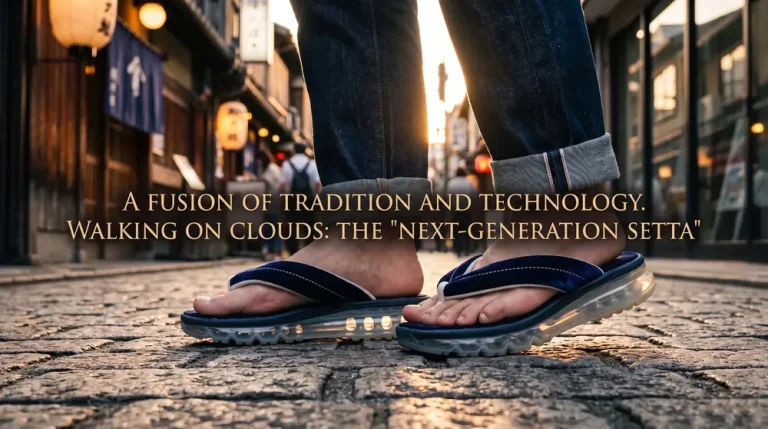
Setta Sandals: Traditional Thong, Modern Sole
A flat Japanese sandal now built…
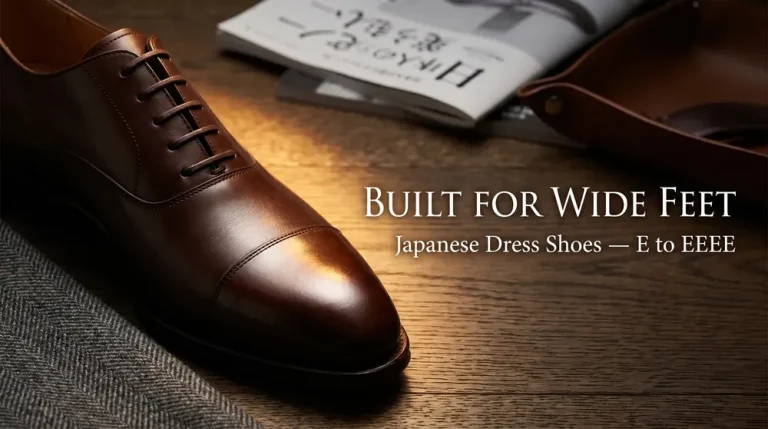
Japanese Dress Shoes: Wide Fittings and How to Buy
Japanese lasts come in E to EEEE…
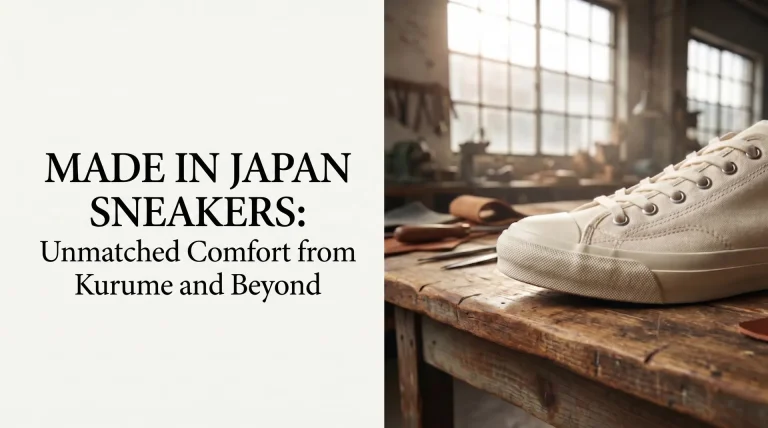
Made in Japan Sneakers: MoonStar, Asics & Kurume Craft
Step into comfort with Made in J…
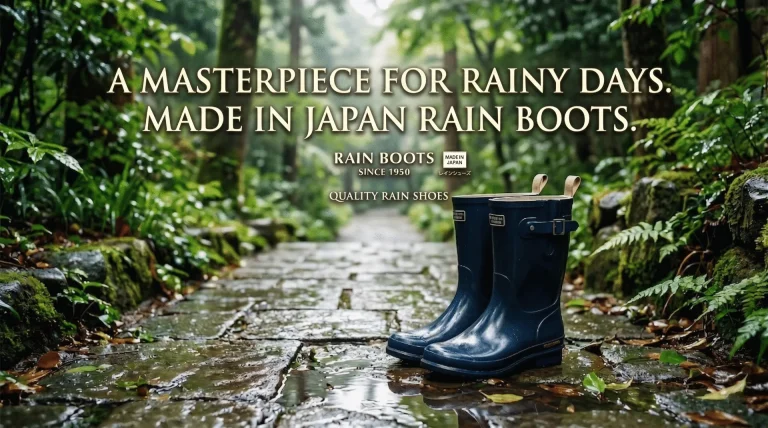
Best Japanese Rain Boots | Moonstar, Asahi & More — Buyer’s Guide
Japan makes some of the world's …
Leather Mold Removal | Restore Wallets, Bags & Shoes Step by Step
Found mold on your leather bag o…
Is Japanese-Made Too Expensive? Start Your Made in Japan Life Today
Think Japanese-made goods are ou…
Japanese Sneakers: 7 Brands and How They Fit
Made in Japan sneakers fit wider…
How to Stop Sneakers Yellowing After Washing
White sneakers turning yellow af…