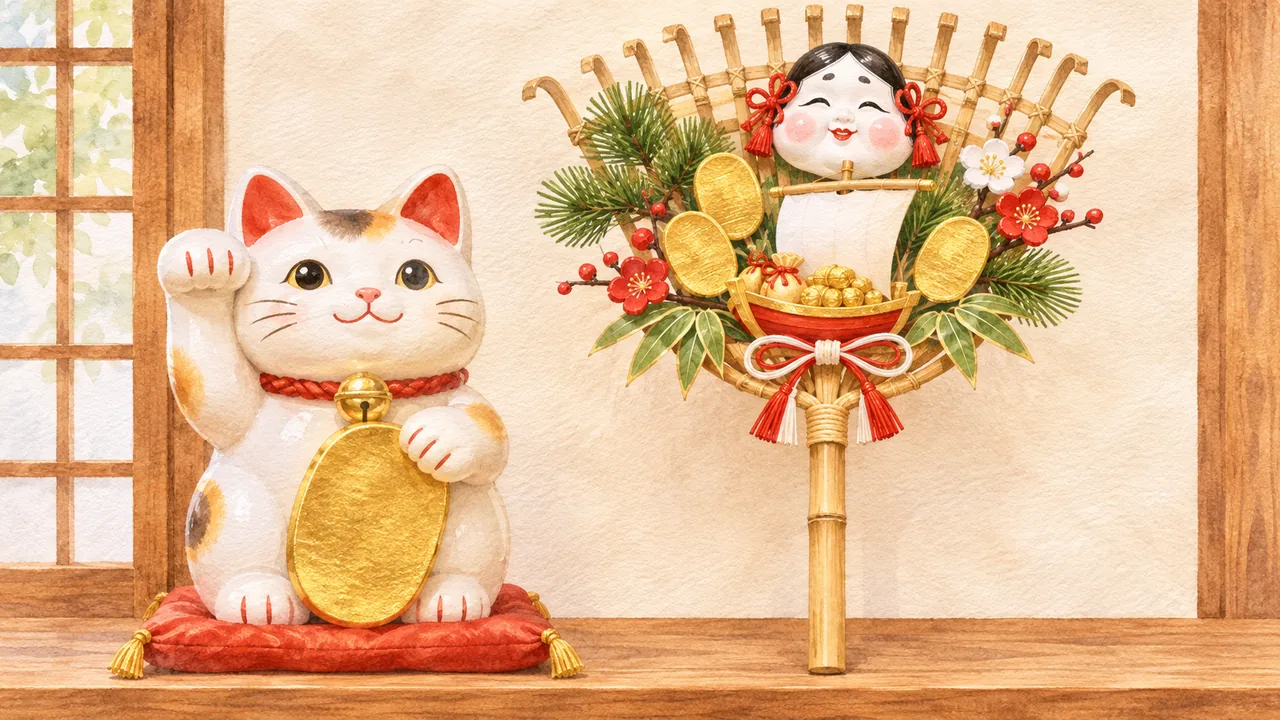
A maneki neko raising its right paw is said to beckon money; one raising its left paw beckons customers.
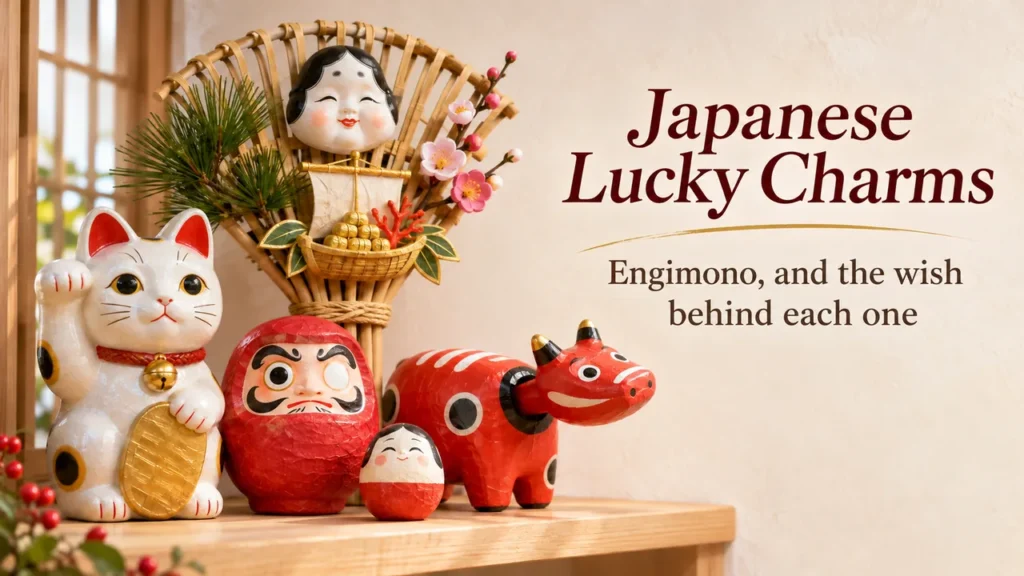
The same cat, a different wish, depending on the paw. That is how Japanese lucky charms, engimono, work: each is a single wish given a shape and kept where you will see it every day. This guide lists them by wish, from business and exams to children's health and the New Year, explains what each one means and how it is displayed, and introduces the Japanese makers behind them.
Quick Reference: Japanese Lucky Charms by Wish
| Wish | Lucky charm | What it means |
|---|---|---|
| Business and money | Maneki neko, kumade ▾ | Beckons money or customers; rakes in fortune |
| Exams and goals | Daruma ▾ | One eye for the wish, the other when it comes true |
| Children's health | Akabeko, hagoita, hamayumi ▾ | Wards off illness and bad luck |
| The New Year | Kagami mochi, zodiac figures ▾ | Welcomes the year; one zodiac animal a year |
| Family and resilience | Okiagari koboshi, fukura suzume, owls ▾ | Gets back up; brings fortune; "no hardship" |
Tap a name to jump to its review.
1. Why Japanese: A Wish Given a Shape
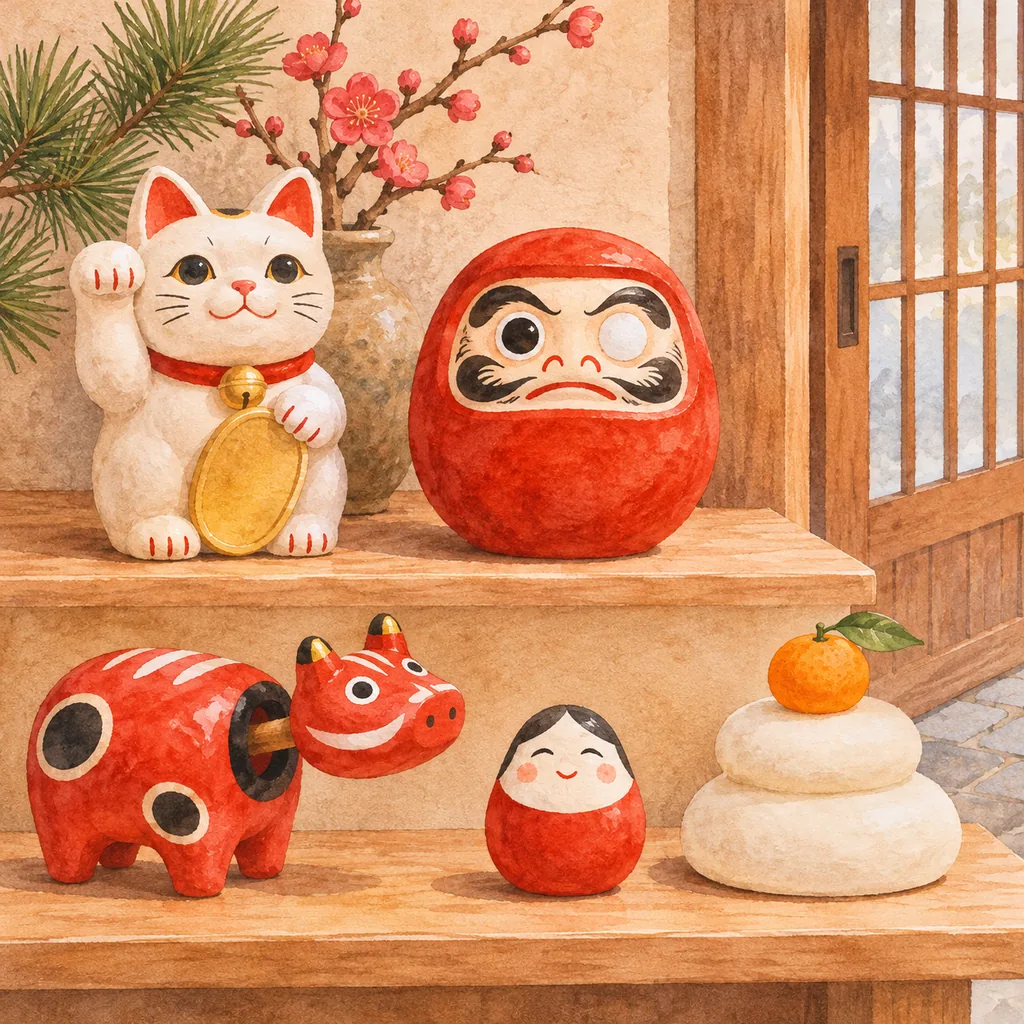
Engi means an omen or sign, and engimono are objects kept for good fortune and safety. Some stay out all year, like a beckoning cat or a daruma. Others arrive with the New Year, like the straw shimenawa on the front door or that year's zodiac figure.
Some are renewed, some are kept. New Year straw decorations are replaced every year, with the old ones taken to a shrine to be burned. A daruma whose wish came true is often taken back to a temple. A maneki neko, an akabeko or an okiagari koboshi you love can stay for as long as you like.
Most are made by small workshops in particular towns: maneki neko in Tokoname and Seto, daruma in Takasaki, akabeko and okiagari koboshi in Aizu. Each is still painted by hand.
2. For Business and Money: Maneki Neko and Kumade
Maneki Neko: Right Paw for Money, Left Paw for Customers
A raised right paw is said to beckon money, a raised left paw customers; some shops put a pair side by side. Colors carry wishes too: white for good fortune, black to ward off bad luck, gold for money. This white cat comes from Baigetsu Tomimoto Ningyoen in Tokoname, Aichi, with the round eyes and two-head-tall body of the Tokoname style, hugging a large gold coin.
Kumade, bamboo rakes loaded with masks, treasure ships and gold coins, are sold at the Tori-no-ichi fairs in November and are said to rake in good fortune. Makers such as Menkame in Tokorozawa have made them by hand for over 150 years.
Tokoname-Ware White Maneki Neko, Right Paw (7.5 in)
Loading product details…
3. For Exams and Goals: Takasaki Daruma
Takasaki Daruma: One Eye for the Wish, One for When It Comes True
You paint in one eye as you make a wish, and the other when the wish comes true. The right eye (as you face the daruma) is usually painted first. The eyebrows are drawn as cranes and the beard as a tortoise, both symbols of long life. Takasaki in Gunma is the best-known daruma town; students keep one on their desk until exam results arrive, and families paint in the second eye together.
Takasaki Daruma Doll, Red (4.7 in)
Loading product details…
4. For Children: Akabeko, Hagoita and Hamayumi
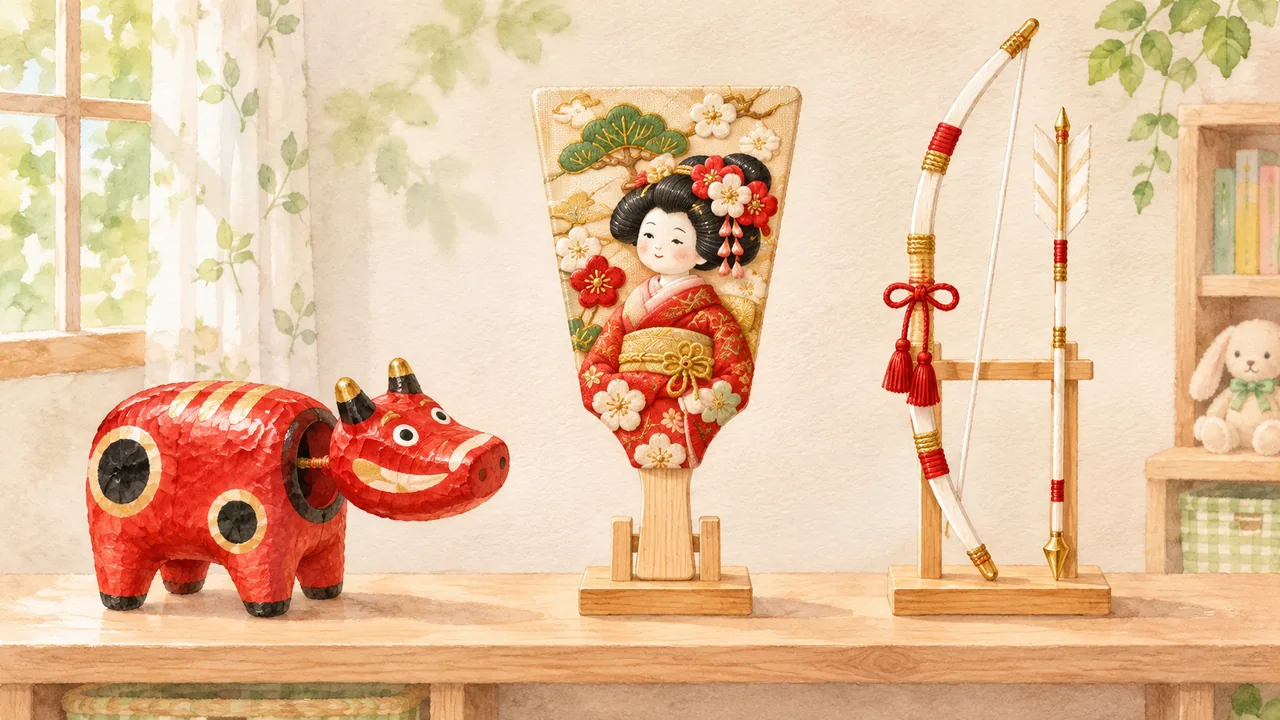
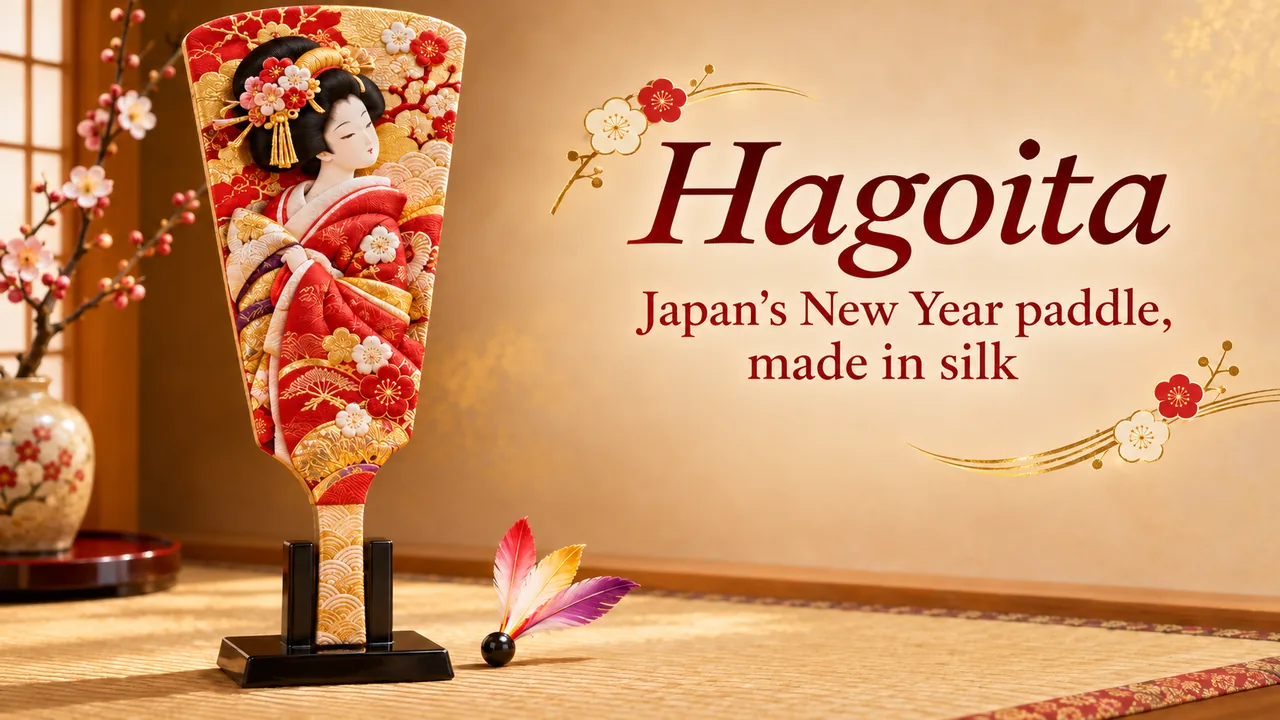
Hagoita and Hamayumi: For a Baby's First New Year
A decorated hagoita paddle is given to a baby girl at her first New Year, carrying the idea of batting bad luck away; a boy receives a hamayumi, a ceremonial bow that "breaks evil." This Edo oshi-e hagoita is from Shuko Ningyo Kobo in Tachikawa, Tokyo, which makes all of its hagoita in Japan and by hand.
Akabeko, the red papier-mache ox of Aizu in Fukushima, nods its head when touched and has long been kept as a charm against illness. Look for those by Nozawa Mingei in Aizu, in Japan or through Japanese online stores.
Shuko Ningyo Kobo Edo Oshi-e Hagoita No. 13, Acrylic Case
Loading product details…
5. For the New Year: Kagami Mochi and Zodiac Figures
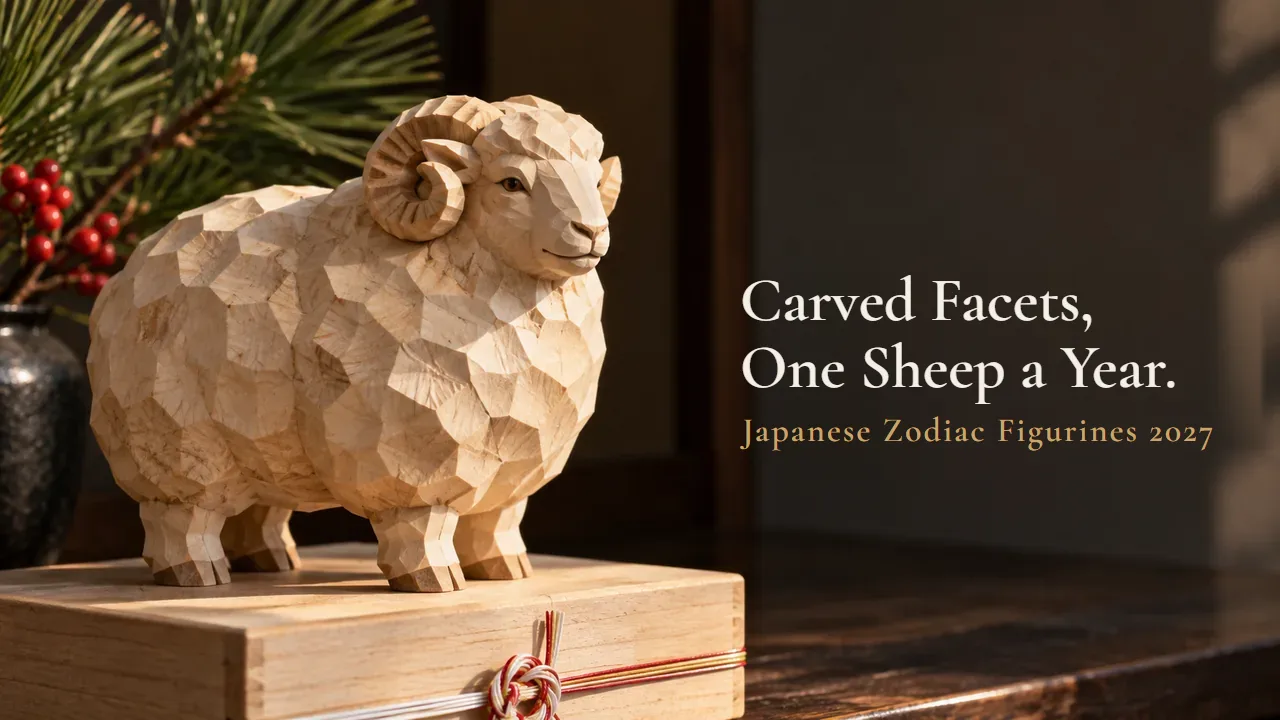
Zodiac Figures: One Animal a Year, Twelve Years Around
Display the year's zodiac animal for a year, then put it back in its box and welcome the next. One figure a year; after twelve years a whole cycle stands on the shelf. 2027 is the Year of the Sheep. This small sheep is from Takenaka Copperware in Takaoka, Toyama.
Indoors, the New Year centerpiece is the kagami mochi, two stacked rice cakes topped with a bitter orange (daidai, which sounds like "generation after generation"). It is usually taken down on January 11.
Takenaka Copperware 2027 Sheep, Small (2 in)
Loading product details…
6. For Family and Resilience: Okiagari Koboshi, Fukura Suzume and Owls
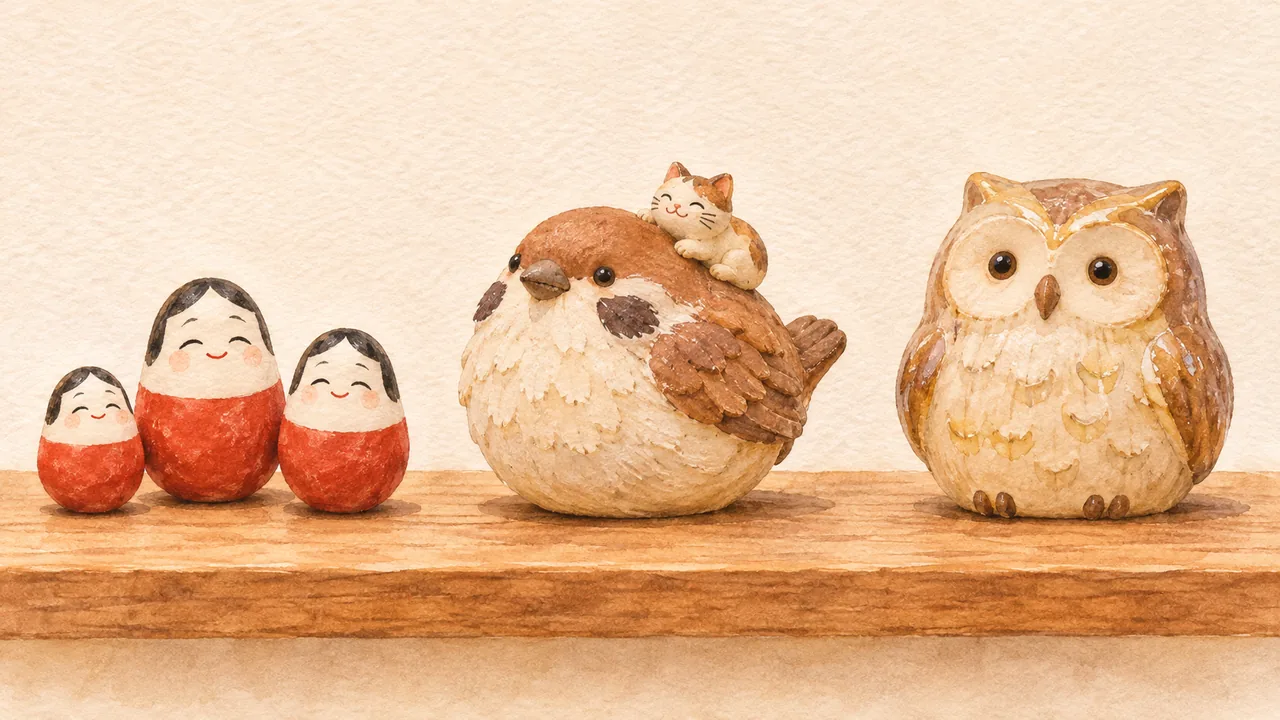
- Okiagari koboshi (Aizu): a tiny papier-mache roly-poly doll that rights itself however often you knock it over, a symbol of good health, family safety and "fall seven times, get up eight." Nozawa Mingei in Aizu paints each one by hand.
- Fukura suzume: a sparrow puffed up against the winter cold, written with characters meaning "good fortune," and a motif in kimono sashes and family crests. In Aizu, the workshop Kobo Senso makes clay figures of one by hand.
- Owls (fukuro): the word sounds like fu-kuro, "no hardship," and an owl's turning head is said to see what is coming. Owls are made in Shigaraki ceramic, Nambu cast iron and wood.
We couldn't find these on Amazon.com; look for them in Japan or through Japanese online stores and proxy shopping services.
7. Frequently Asked Questions
What are engimono?
Japanese lucky charms: objects kept for good fortune, each tied to a particular wish, such as business, exams, children's health or the New Year.
What is the most famous Japanese lucky charm?
The maneki neko (beckoning cat) and the daruma are the best known outside Japan. Maneki neko are made in Tokoname and Seto in Aichi, and the most famous daruma in Takasaki, Gunma.
Which paw should a maneki neko raise?
The right paw is said to beckon money, the left paw customers. Shops often choose the left, and some display a pair.
Which eye do you paint on a daruma first?
Usually the right eye as you face it, when you make the wish; the left eye is painted when the wish comes true.
Where should lucky charms be displayed?
Somewhere you see every day: the entrance, a living-room shelf, your desk. Shimenawa go on the front door, and a student's daruma on their study desk.
What do you do with old lucky charms?
New Year straw decorations and finished daruma are taken to a shrine or temple to be burned. Figures like maneki neko and akabeko can stay as long as you like.
Final Thoughts: One Wish, Kept Close
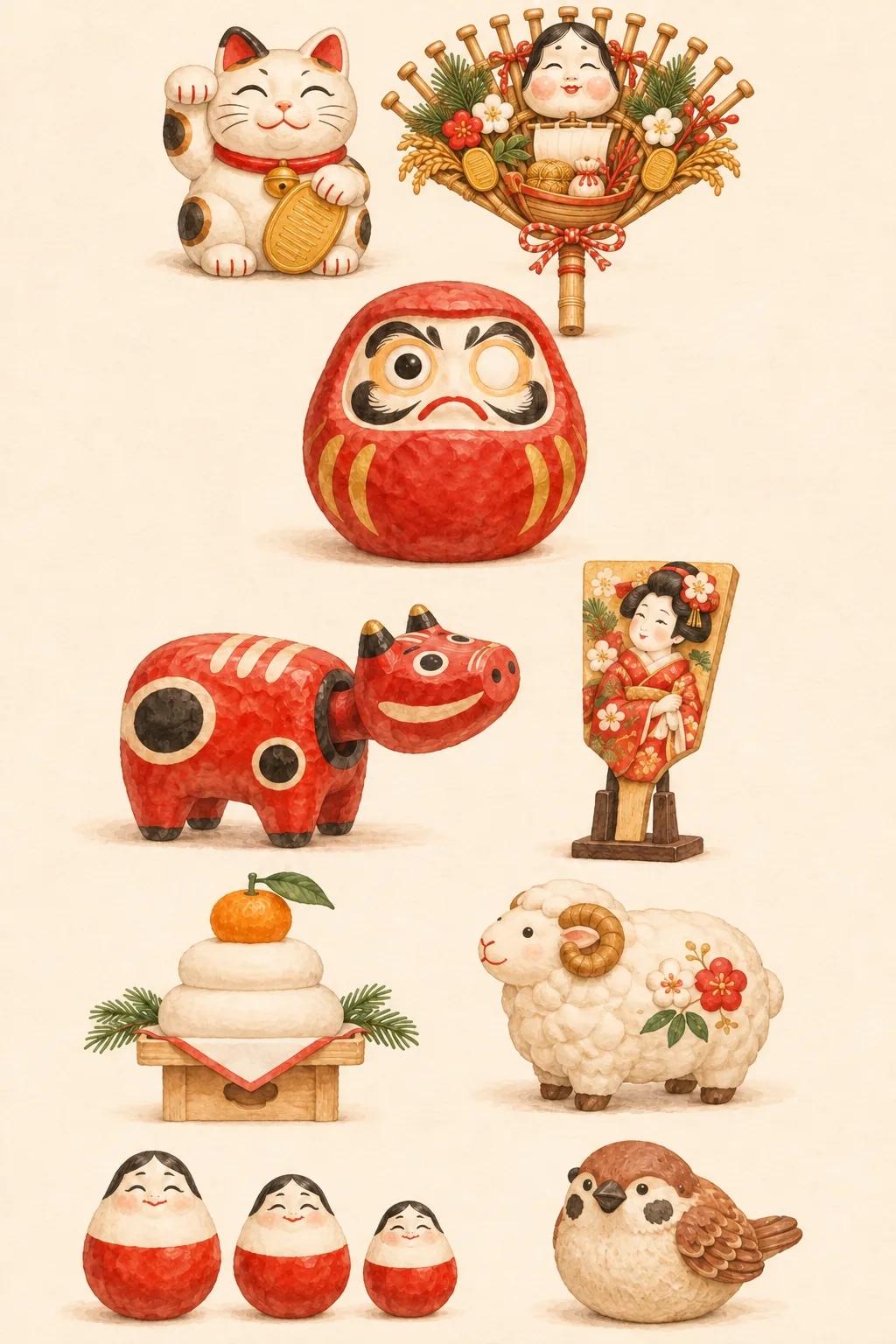
A Tokoname maneki neko for business, a Takasaki daruma for exams, an Aizu akabeko and an oshi-e hagoita for children, a zodiac figure for the New Year, and an okiagari koboshi for a family that keeps getting back up.
Each one is still made by hand in a particular Japanese town.
Choose one wish, and keep it where you will see it every day.
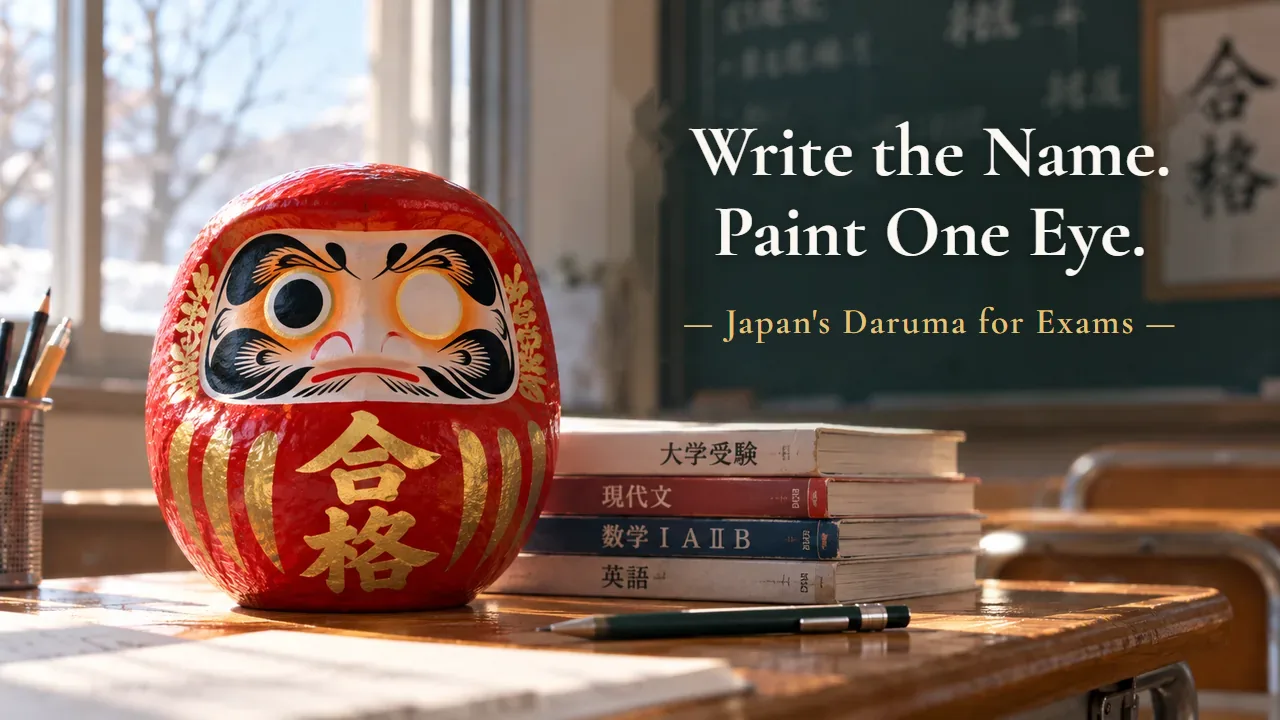
Daruma Dolls & Omamori: Japanese Good-Luck Charms for Exams
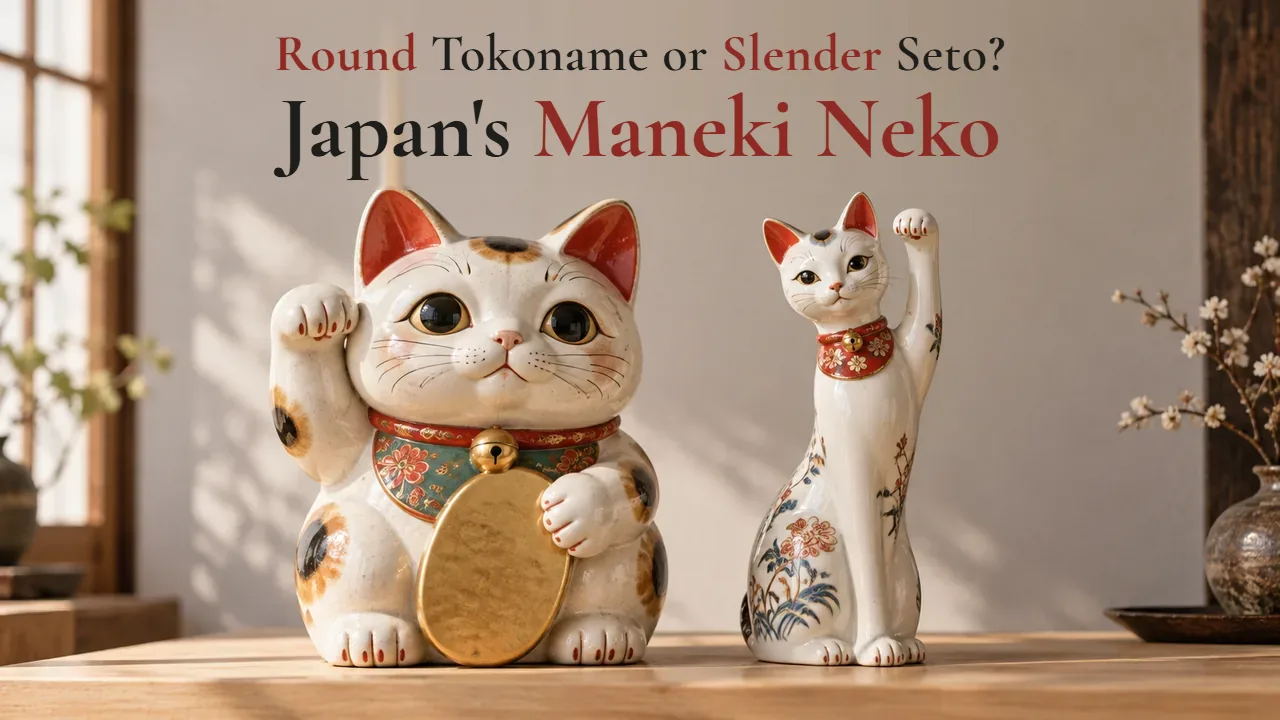
Maneki Neko: Round Tokoname or Slender Seto Lucky Cats