NANGA will repair a torn sleeping bag for as long as you own it, free, with no time
limit. That is the headline, and it is genuine.
It is also not the same thing as a bag that lasts forever — because the down inside
has a lifespan the guarantee does not cover. Sebum and sweat gradually strip the natural oils, the
loft stops recovering, and a well-cared-for down bag is done somewhere around ten to fifteen
years.
So this guide covers both halves: how to read NANGA's temperature figures against a Western
bag's, which series to buy, and what the permanent guarantee actually promises.
Quick Reference: The Three Series
| Series | What it does | Buy it if |
|---|---|---|
| AURORA | Waterproof-breathable shell — no bivy needed | You want the default. Most people |
| AURORA light | Same idea, lighter shell and higher fill | You carry it on your back |
| UDD BAG | The down itself is water-repellent | Damp climates, long trips, condensation |
| Read the Comfort figure, not the Limit — then allow another 5°C of margin against the coldest night you expect. | ||
Can You Compare the Numbers? Mostly Yes
This is the first question anyone outside Japan should ask about a Japanese sleeping bag, because a temperature rating is meaningless unless it was arrived at the same way as the rating on the bag you are comparing it to.
NANGA publish their figures in the European Standard format and define the terms the way
EN13537 defines them. So the numbers line up with a Western bag's numbers, and you can
compare directly.
What they say is that they "utilize" the European Standard. They do not claim
independent third-party certification of individual models — which is worth knowing, and is a
common position across the industry rather than a red flag.
What the three figures mean
| Figure | Definition | Use it? |
|---|---|---|
| Comfort | A standard adult woman sleeps without feeling cold | Yes. This is your number |
| Limit | A standard adult man sleeps eight hours curled up | Only if you sleep hot and know it |
| Extreme | Six hours of survival, knees hugged | Never. It is not a sleeping figure |
The Extreme figure is the one that catches people out, because it is the biggest number on the label. It describes not dying. It does not describe sleeping.
The rule worth following
Take the lowest overnight temperature you expect, then buy a bag whose Comfort
figure is about 5°C below that.
That sounds excessive and it is not. Wind, damp, a thin mat, fatigue and a cold dinner all move
the real number in the same direction, and the gap between Comfort and Limit on Japanese
bags is only around 6°C — so a single bad assumption uses up your whole margin.
And the mat matters as much as the bag. Down compressed beneath you insulates nothing; the ground takes heat far faster than the air does. An excellent bag on a poor mat is a cold night, and no temperature rating on any standard accounts for that.
Why Japanese — Repair Forever, and Washed Down
The permanent guarantee
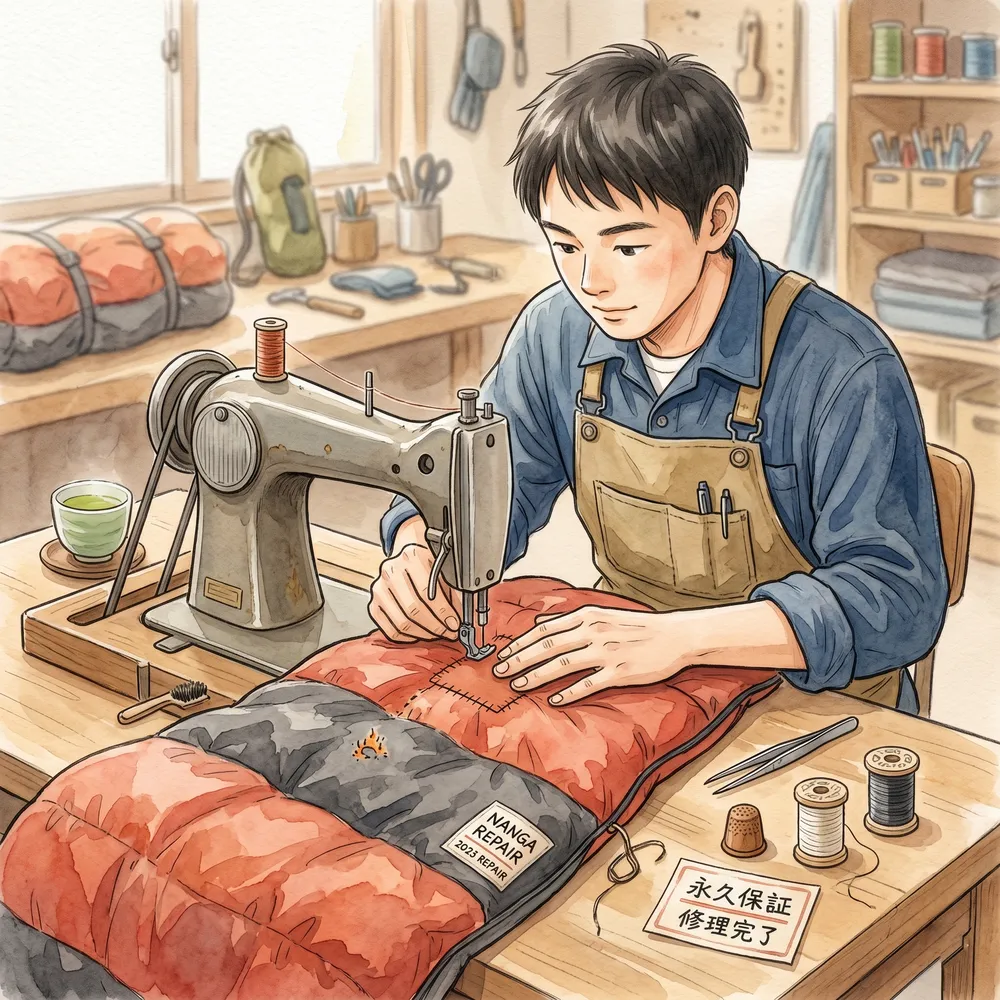
NANGA repair their own bags for as long as you have them. Torn shell fabric,
damaged seams, a failed zip — sent back, fixed, returned. No registration period and no
expiry.
The effect on the product is the interesting part. A manufacturer committed to
repairing every failure indefinitely has a direct financial interest in the bag not failing —
which is a more reliable guarantee of construction quality than any marketing claim.
Down washed in Japan
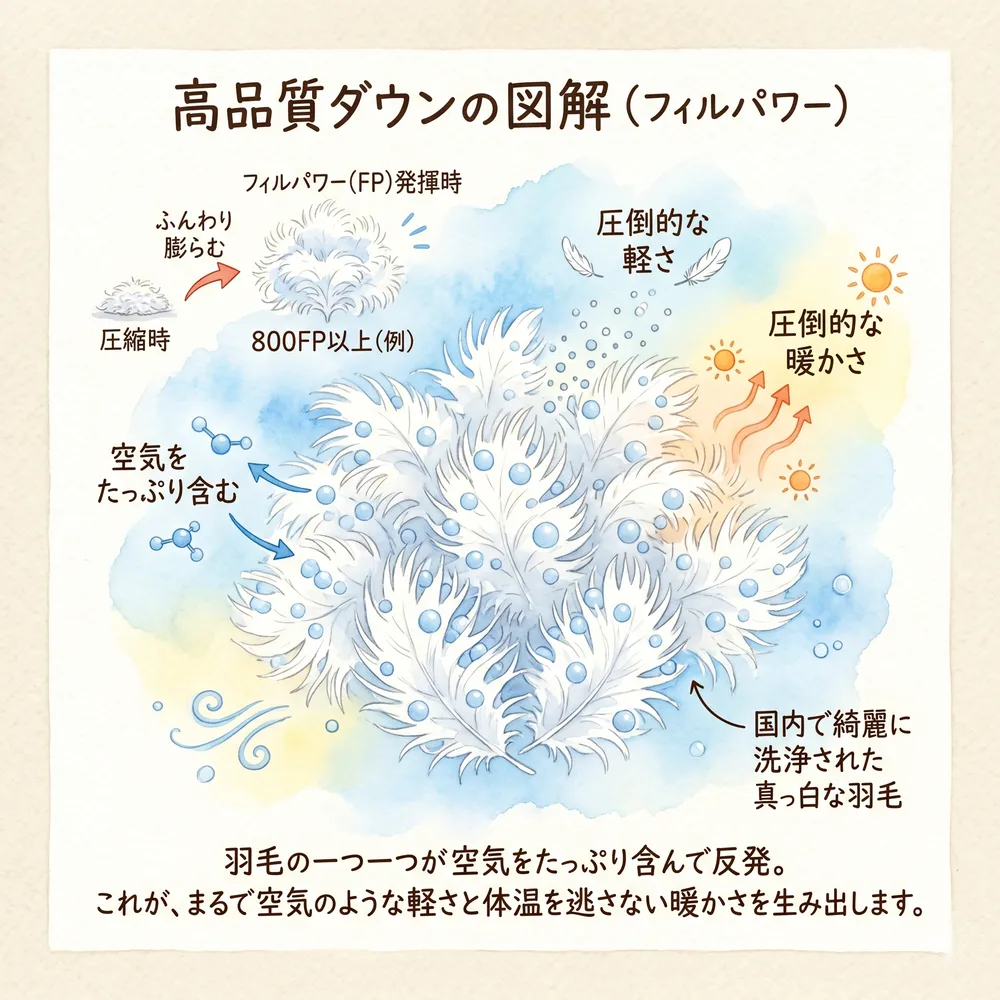
NANGA process their down domestically rather than buying it pre-washed, and
how thoroughly down is cleaned decides two things you will notice.
Smell, first. Poorly washed down retains residue and a new bag smells of it,
especially when warm and damp. Loft, second. Clean clusters open fully and trap
more air for the same weight, which is the entire mechanism by which down insulates.
This is why fill power alone does not settle it. Two bags quoting the same
number can behave differently, and the difference is usually in the washing.
The Three Series in Detail
AURORA — the default, and the one that needs no cover
The AURORA shell is waterproof and breathable, which removes a piece of equipment from your list: you do not need a separate bivy or sleeping bag cover to deal with tent condensation dripping on you.
That matters more in practice than it sounds. Condensation is the normal way a down bag gets wet — not rain, but the inside of your own tent. Handling it in the shell rather than with an extra layer is simpler, lighter overall, and cheaper.
AURORA light — the same, for carrying
A lighter shell fabric and higher-quality fill, which buys you warmth per gram at a higher price. If the bag goes in a backpack rather than a car, this is the series — and if it goes in a car, it is money spent on a problem you do not have.
UDD BAG — water-repellent down
UDD treats the down itself so the clusters repel water, rather than relying only on the shell to keep moisture out.
Why that is worth paying for: wet down collapses and stops insulating, and it dries very slowly. Treated down resists absorbing moisture in the first place and recovers loft faster when it does. On a single dry night it makes no difference at all. On the fourth damp morning of a trip it makes a large one.
Choosing between the three, honestly: AURORA unless you have a specific reason. AURORA light if weight is the constraint. UDD if you camp somewhere humid or stay out for multiple nights without a chance to dry anything.
What to Buy
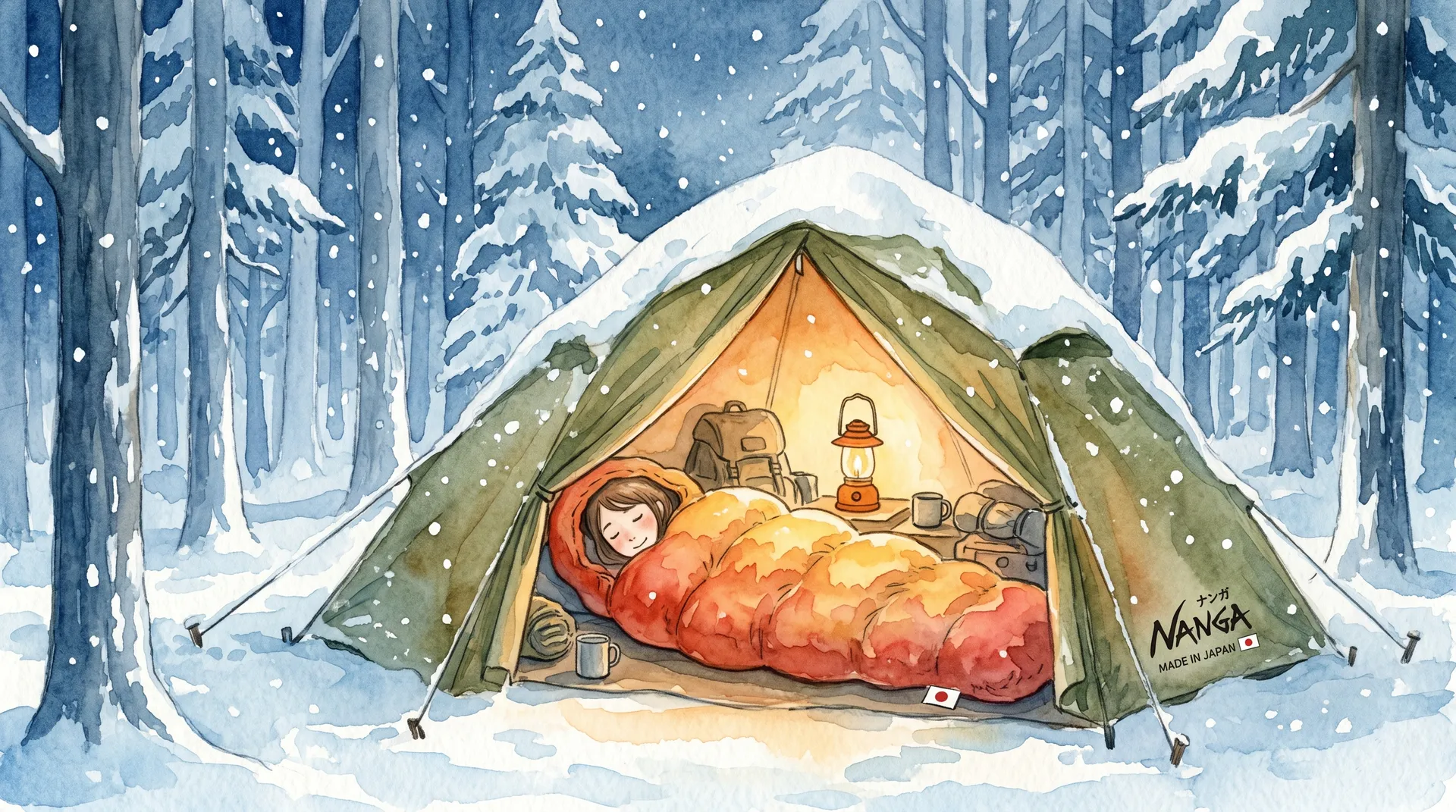
AURORA 450DX — the three-season answer
The bag most people should buy. Enough fill for spring through autumn and
mild winter nights, the waterproof-breathable AURORA shell, and a price that is not
frightening.
The model numbers are the fill weight in grams — 450DX carries 450g of down —
so the range reads as a straightforward scale of warmth once you know that.
- Series
- AURORA — no bivy required
- Fill
- 450g down
- Season
- Three-season, into mild winter
- Guarantee
- Permanent repair of the shell and seams
- Price range
- $300–$450
Perfect for: A first serious down bag, and for car camping where grams do not matter.
AURORA light 600DX — winter, carried
Six hundred grams of high-grade fill in a light shell — genuinely warm enough
for winter, and light enough to justify carrying.
This is where NANGA's reputation among backpackers comes from. The AURORA
light series is the compromise the brand is known for internationally: waterproof-breathable
shell, serious warmth, and a weight that a walker will accept.
- Series
- AURORA light — lighter shell, higher fill
- Fill
- 600g high-grade down
- Season
- Winter
- Trade-off
- Thinner shell needs more care
- Price range
- $500–$700
Perfect for: Winter backpacking, and anyone who has been cold in a three-season bag and decided never again.
UDD BAG 380DX — for damp trips
Water-repellent down in a compact three-season bag. Lighter fill than the
450DX, but the treated down holds its loft better when the air is wet — which in practice
often matters more than the gram count.
Consider this instead of a warmer bag if your problem is humidity rather than
cold. A 450DX that has absorbed moisture is colder than a dry 380DX.
- Series
- UDD — down treated to repel water
- Fill
- 380g
- Best for
- Humid climates, multi-night trips
- Recovers
- Loft returns faster after damp
- Price range
- $350–$500
Perfect for: Coastal and mountain-humid camping, and anyone who has woken to a wet bag from condensation alone.
On length, if you are tall
NANGA offer regular and long lengths, and if you are near the top of the regular
range, size up.
The reason is thermal, not comfort. Pressing against the foot box compresses the
down there flat, and compressed down does not insulate — so a bag that is slightly too
short is coldest exactly where you will notice it.
⚠ Lifetime Repair Is Not a Lifetime Bag
The permanent guarantee covers repair — torn fabric, seams, hardware. It does not make the insulation immortal, and no guarantee could.
Down wears out from the inside. Every night you sleep in it, the clusters take up a little sebum and sweat, and those strip the natural oils that let a cluster spring back open. Over years the loft stops recovering fully. The bag looks fine and is measurably colder.
A well-maintained down bag is generally reckoned to last ten to fifteen years. Which is a long time — but it is a number, not an infinity, and it is worth knowing before you read "permanent guarantee" as "buy once."
- The symptom is loft, not temperature. Shake it out and look at the thickness. If it no longer puffs up the way it used to, that is your answer.
- Washing extends life rather than shortening it. This is counter-intuitive and it is the single most important maintenance fact — see below.
- Storage does more damage than use. A bag left compressed in its stuff sack for eight months a year will die years early.
- Repairs are still worth using. A ten-year-old bag with a mended shell and honest loft is a good bag. The guarantee is genuinely valuable; it is just not the whole story.
Washing and Storage
Most people are afraid to wash a down bag, and that fear is what kills their bag. Dirty down is matted down.
- Wash it once or twice a year. NANGA bags can go in a domestic machine — check the instructions for your model, use a down-specific detergent, and run an extra rinse to get all the soap out.
- Never use fabric softener or ordinary detergent. Both leave residue that coats the clusters and stops them opening.
- Drying is the part that matters. Down clumps into wet lumps as it dries. Take it out repeatedly and break the clumps up by hand, or tumble on low heat with dryer balls until it is completely dry — damp down develops mildew.
- Store it loose, never compressed. A large mesh bag, or hung in a wardrobe, or laid flat under a bed. The stuff sack is for carrying, not for keeping.
- Air it after every trip before putting it away, even if it feels dry. Body moisture is invisible and it is what starts the process.
One more habit that costs nothing: sleep in clean, dry base layers rather than the clothes you walked in. Most of what ages the down comes off your skin, so a layer between you and it is the cheapest life extension available.
Frequently Asked Questions
Can I compare NANGA's temperature ratings to a Western bag's?
Yes. NANGA publish Comfort, Limit and Extreme in the European Standard format and
define the terms as EN13537 defines them, so the figures are directly comparable.
They state they "utilize" the standard rather than claiming independent certification
of each model — normal across the industry, but worth knowing.
Should I use the Comfort or the Limit figure?
Comfort. That is your number. Limit describes a standard adult man sleeping curled
up, which is survival-adjacent rather than restful.
Ignore Extreme entirely — it measures six hours of not dying with your knees
hugged, and has no place in choosing a bag. Then allow another 5°C of margin.
Does the permanent guarantee mean the bag lasts forever?
No — it covers repair of the shell, seams and hardware, not the down. Down
gradually loses loft as sebum and sweat strip the clusters' natural oils.
A well-cared-for down bag lasts roughly ten to fifteen years. The guarantee is
real and valuable; it is a repair promise rather than an immortality one.
Down or synthetic?
Down for warmth per gram and packed size; synthetic for wet conditions and low
cost. Down is dramatically better on both counts that matter to a walker, and dramatically
worse when soaked.
UDD-treated down narrows that gap, which is the whole reason the series exists.
Can I really wash it at home?
Yes, and you should — once or twice a year. Dirty down mats and stops lofting, so
not washing is what shortens a bag's life.
Down-specific detergent, no softener, extra rinse, and dry it completely, breaking
up the clumps by hand as it goes. Damp down grows mildew.
I am tall — regular or long?
Long, if you are anywhere near the top of the regular range. And the reason is
warmth rather than comfort: pressing your feet against the foot box compresses the down
flat, and compressed down does not insulate.
A bag that is slightly too short is coldest at the feet, which is where you feel it first.
Final Thoughts: Read Comfort, Store It Loose
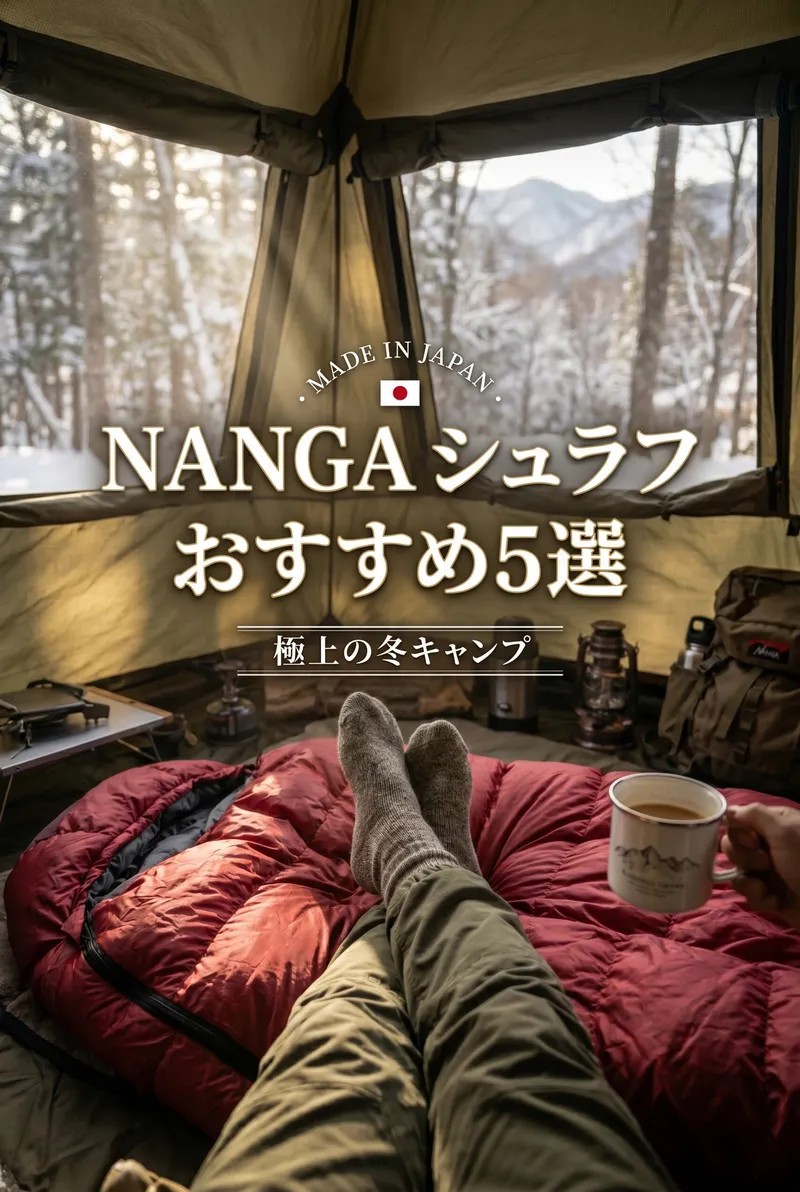
Buy the AURORA unless you have a specific reason not to, take the Comfort figure as your real number, and give yourself five degrees more than you think you need. The waterproof shell removes a bivy from your kit list, which is a genuine saving.
Then take the permanent guarantee for what it is — an unusually strong repair promise that tells you something real about how the bag is built, and which does not stop the down ageing at ten to fifteen years.
And the two habits that decide how long you get: wash it once a year, and never store it compressed. More down bags are ruined in a stuff sack in a cupboard than on any mountain.
Iwatani Cassette Stoves: Fuel Is the Real Question
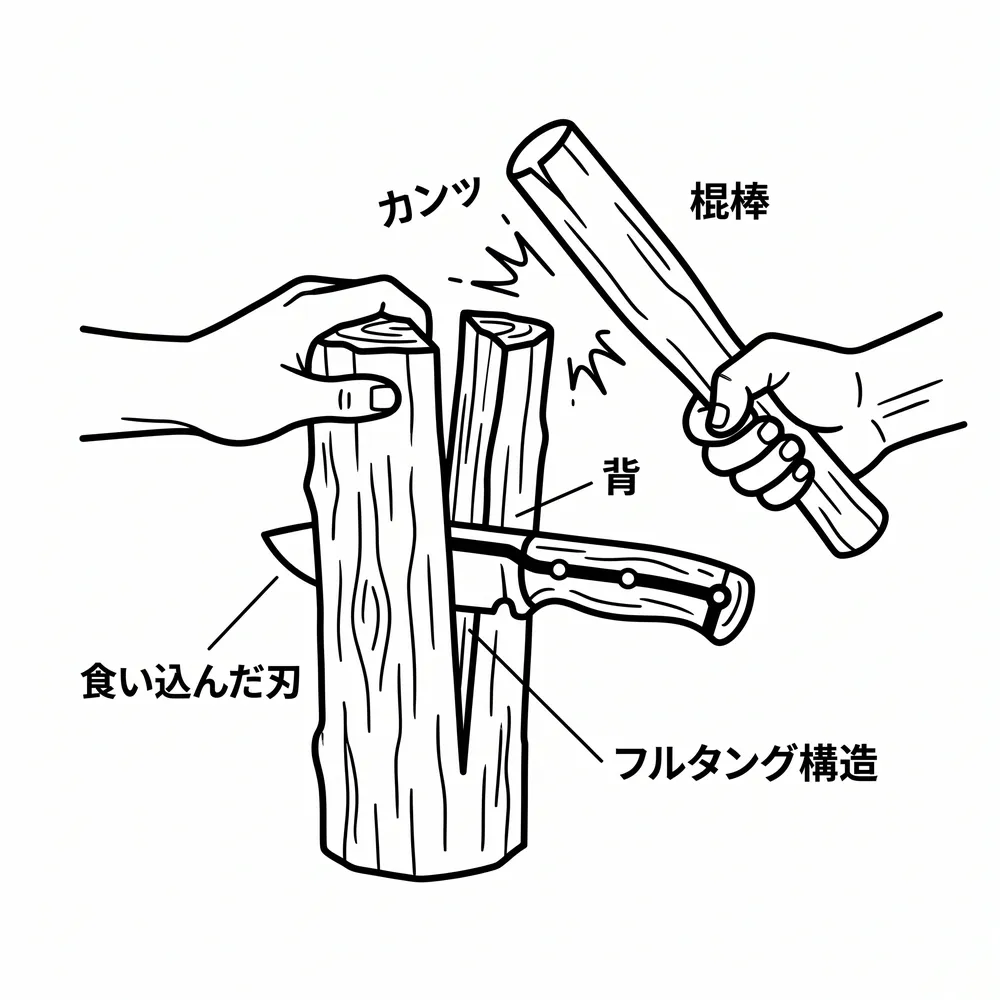
Japanese Outdoor Knives: Nata, Higonokami, the Law